Blog
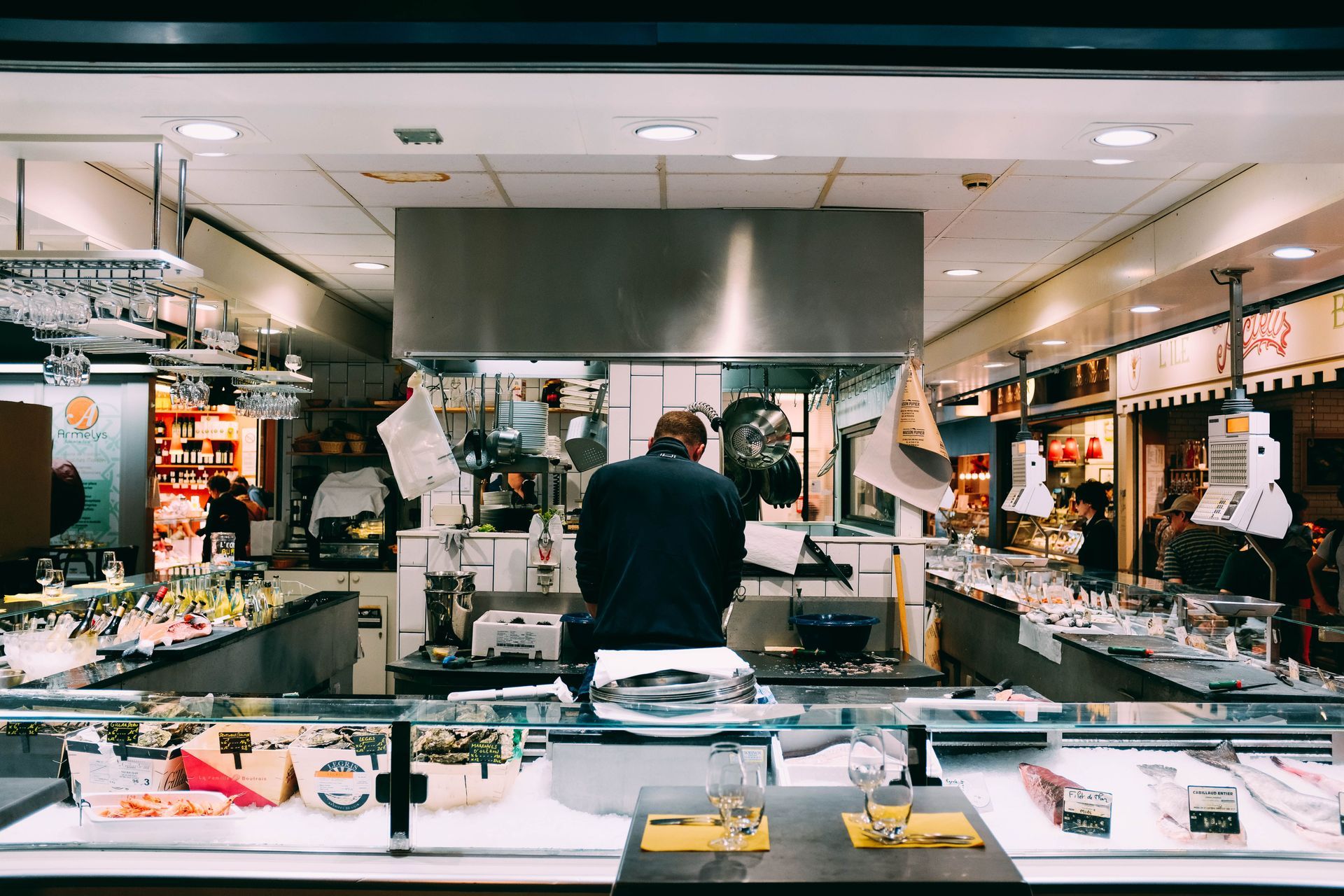
In a commercial kitchen , the dishwashing area is often treated as a support zone rather than a core part of the operation. That can be a mistake. Dirty wares, clean dishes, trash, prep equipment, and staff movement all converge in this part of the kitchen. If the dish area is poorly planned, it can create bottlenecks that affect sanitation, labor efficiency, storage, and even the speed of service. A well-designed dishwashing area needs its own workflow strategy just as much as the cook line does. Dirty and Clean Traffic Should Be Separated One of the most important design goals is keeping dirty items from crossing paths with clean ones . Used dishes, pans, trays, and utensils should move in a clear direction from drop-off to scraping, washing, rinsing, sanitizing, and drying. Clean items should then move toward storage or back into service without retracing the same path. When these flows overlap, staff can get in each other's way and the risk of recontamination increases.
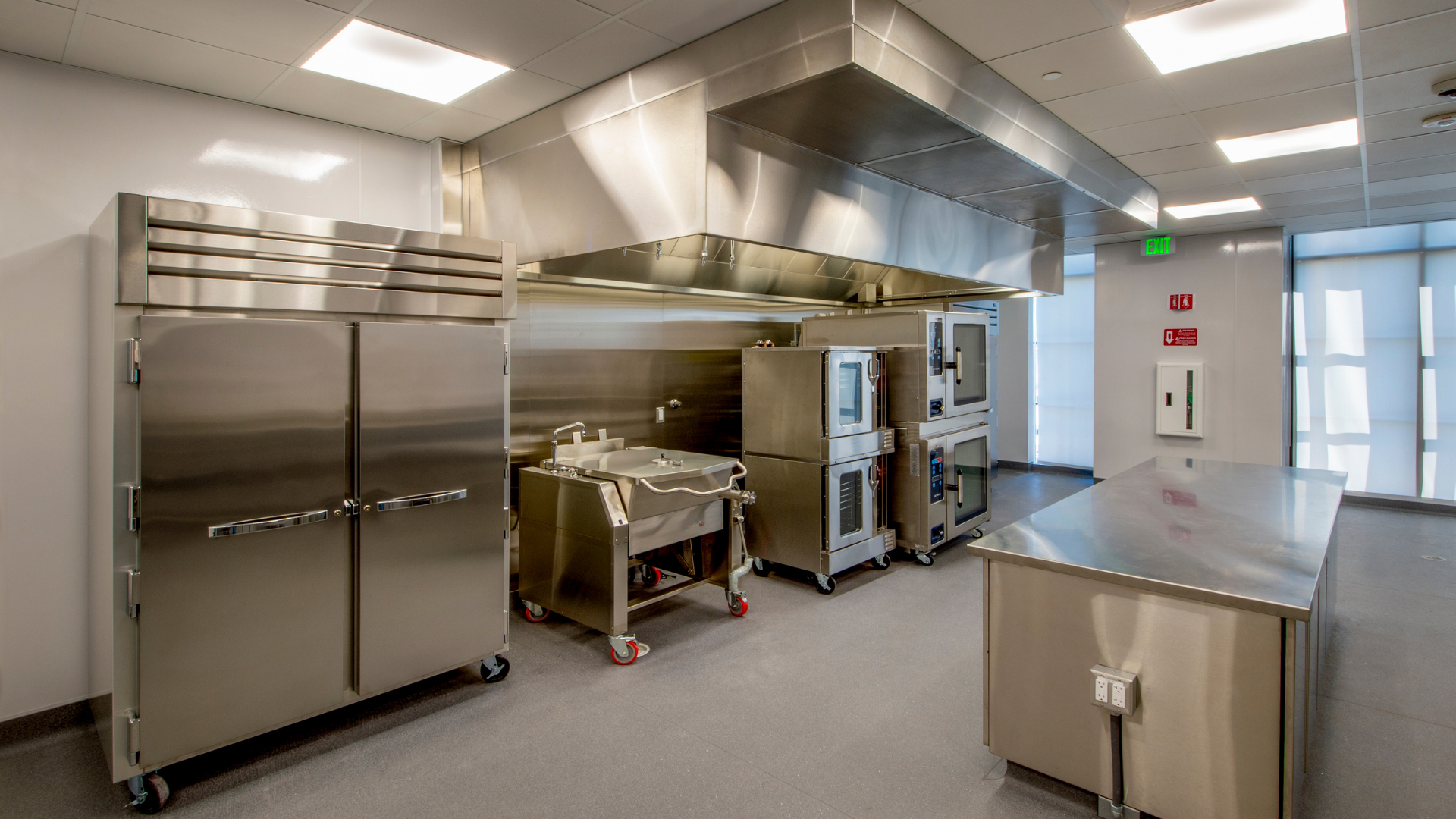
Commercial kitchen equipment decisions are often driven by menu needs, production capacity, brand preference, and available space. But before any major equipment is ordered, there is another question that needs to be answered: Can the building actually support it? Every fryer, oven, dishwasher, refrigerator, combi oven, ice machine, and hood system comes with specific utility requirements. If those requirements are not reviewed early, a seemingly simple equipment purchase can create costly changes to plumbing, electrical, gas, ventilation, or drainage systems. For restaurant owners and project teams, confirming utilities before ordering equipment can prevent delays and expensive surprises. Electrical Demand Can Change Quickly Commercial kitchen equipment can require substantial electrical capacity . One piece of equipment may need a dedicated circuit, while another may require a different voltage or phase than the building currently provides. If several new pieces are added at once, the total load may exceed the available electrical service. That can lead to panel upgrades, new circuits, additional wiring, or even larger service changes. These issues are much easier to address during planning than after equipment has already been delivered.
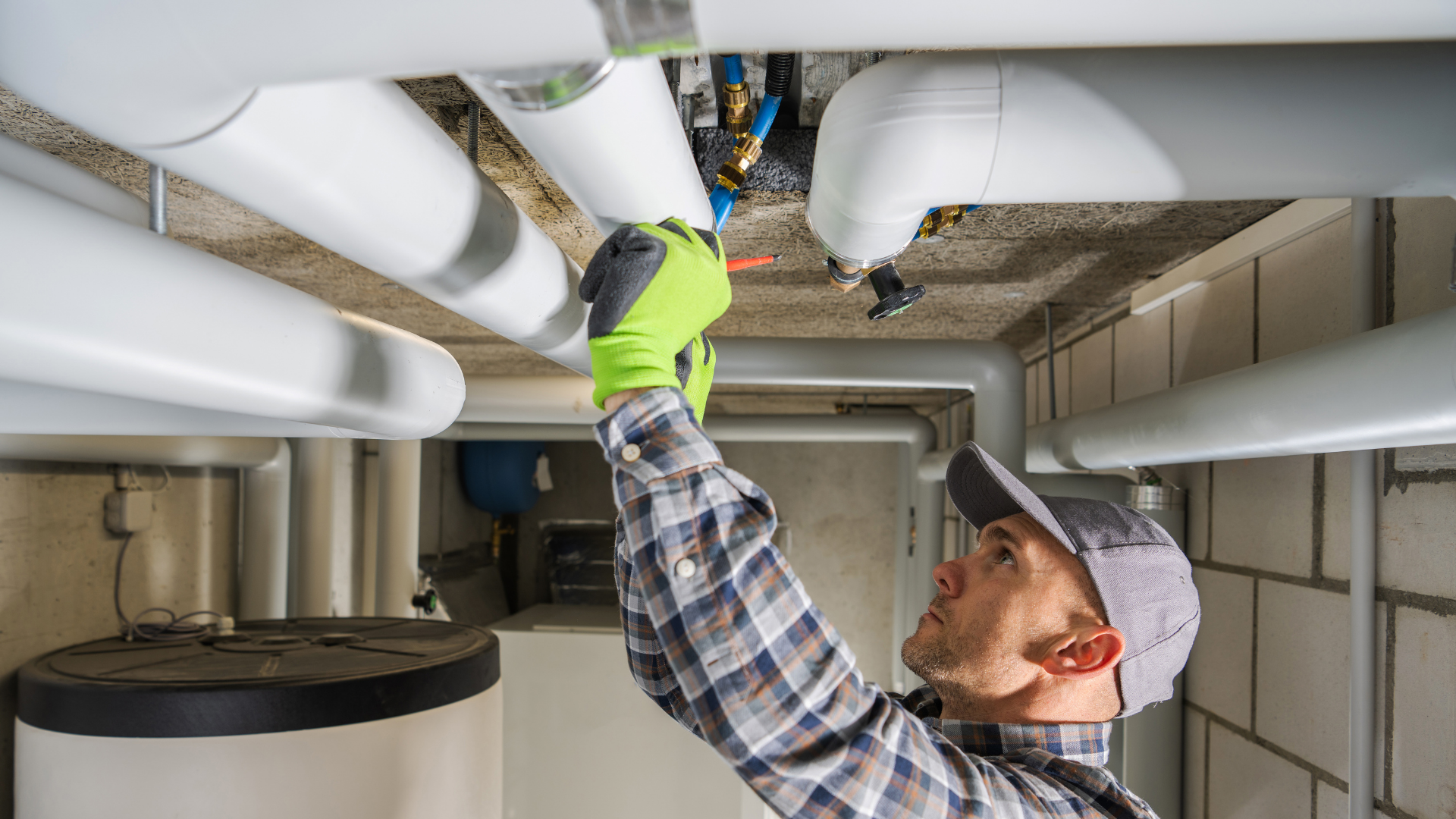
Commercial kitchen equipment does not work in isolation. Ovens, fryers, dishwashers, refrigeration, sinks, ice machines, and ventilation systems all depend on the building infrastructure around them. That is why plumbing, electrical, gas, and ventilation requirements need to be coordinated early in the design process. If those systems are planned separately, conflicts can appear during construction. Equipment may arrive without the right connection, a drain may be in the wrong location, or an electrical circuit may not have enough capacity . Careful coordination helps reduce those problems before they reach the jobsite. Start With the Final Equipment Schedule Utility planning should begin with a detailed equipment schedule. Each major piece of commercial kitchen equipment has specific requirements for power, gas, water, drainage, and ventilation. The make and model matter because two similar appliances can have different connection points or utility loads. Once the equipment package is finalized, designers and contractors can plan the infrastructure around actual specifications instead of assumptions.

Opening a second restaurant is a major step because it turns a single successful operation into the beginning of a repeatable system. What worked at the first location may have depended on specific employees, a unique building, or informal routines that are difficult to duplicate. Before expanding, restaurant groups should identify which parts of the kitchen, equipment package, workflow, and construction process need to become standardized. Doing that early can make future openings easier to plan, train, and manage. Start With the Core Kitchen Layout The second location does not need to be an exact copy of the first, but the core workflow should remain familiar. The relationship between receiving, storage, prep, cooking, plating, warewashing, and waste handling should follow the same logic whenever possible. A repeatable layout can make training easier because employees moving between locations are not learning an entirely different kitchen every time. Site constraints will always require adjustments, but the underlying production flow should remain consistent.
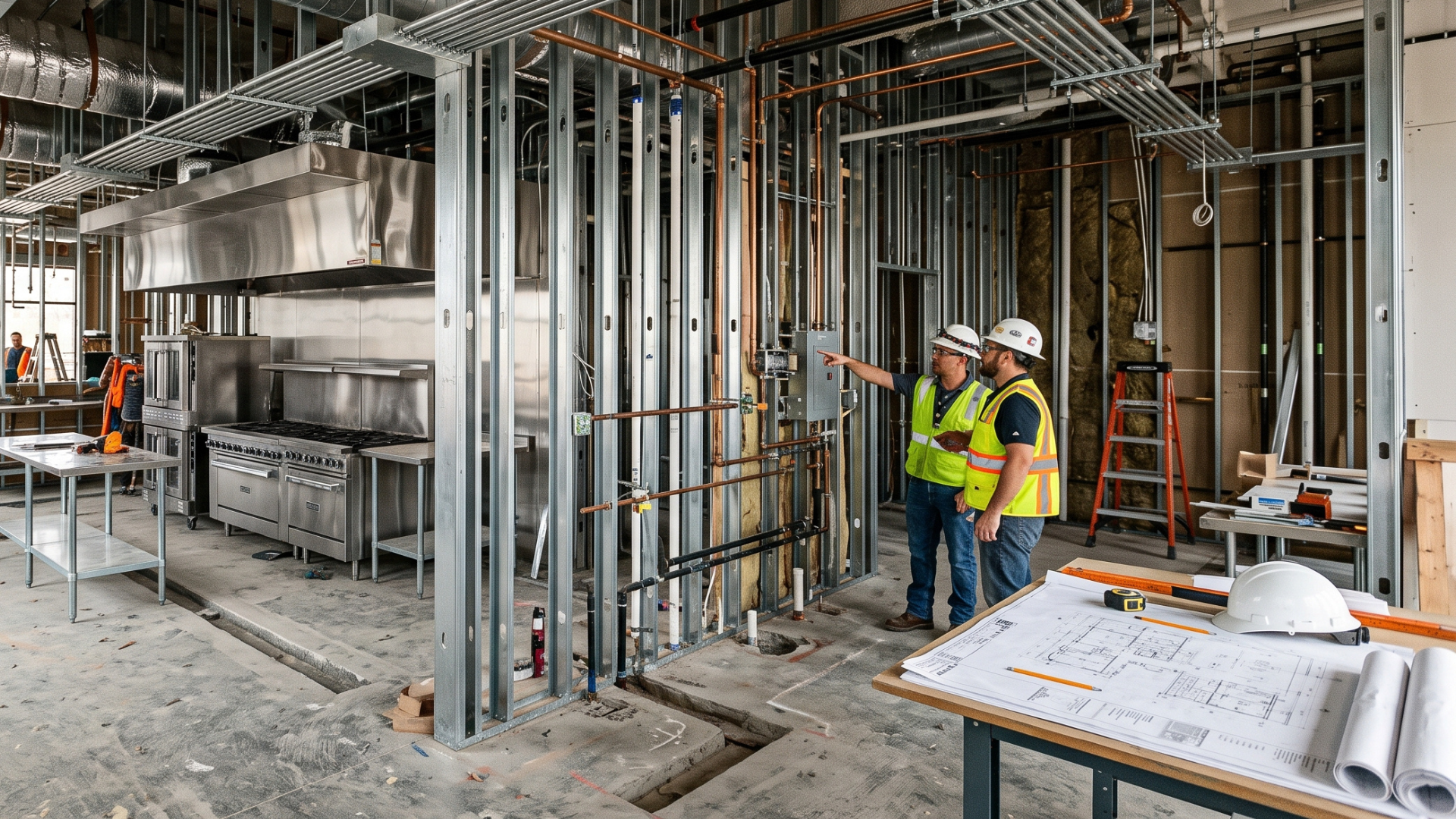
A commercial kitchen depends on far more than the equipment you can see. Behind the walls, above the ceiling, and beneath the floor are electrical lines, plumbing, gas connections, drains, ventilation components, and other systems that must all be positioned correctly before the kitchen is finished. That early-stage work is commonly referred to as rough-in. In restaurant construction, accurate rough-in coordination is critical because even a small mistake can create expensive changes later.
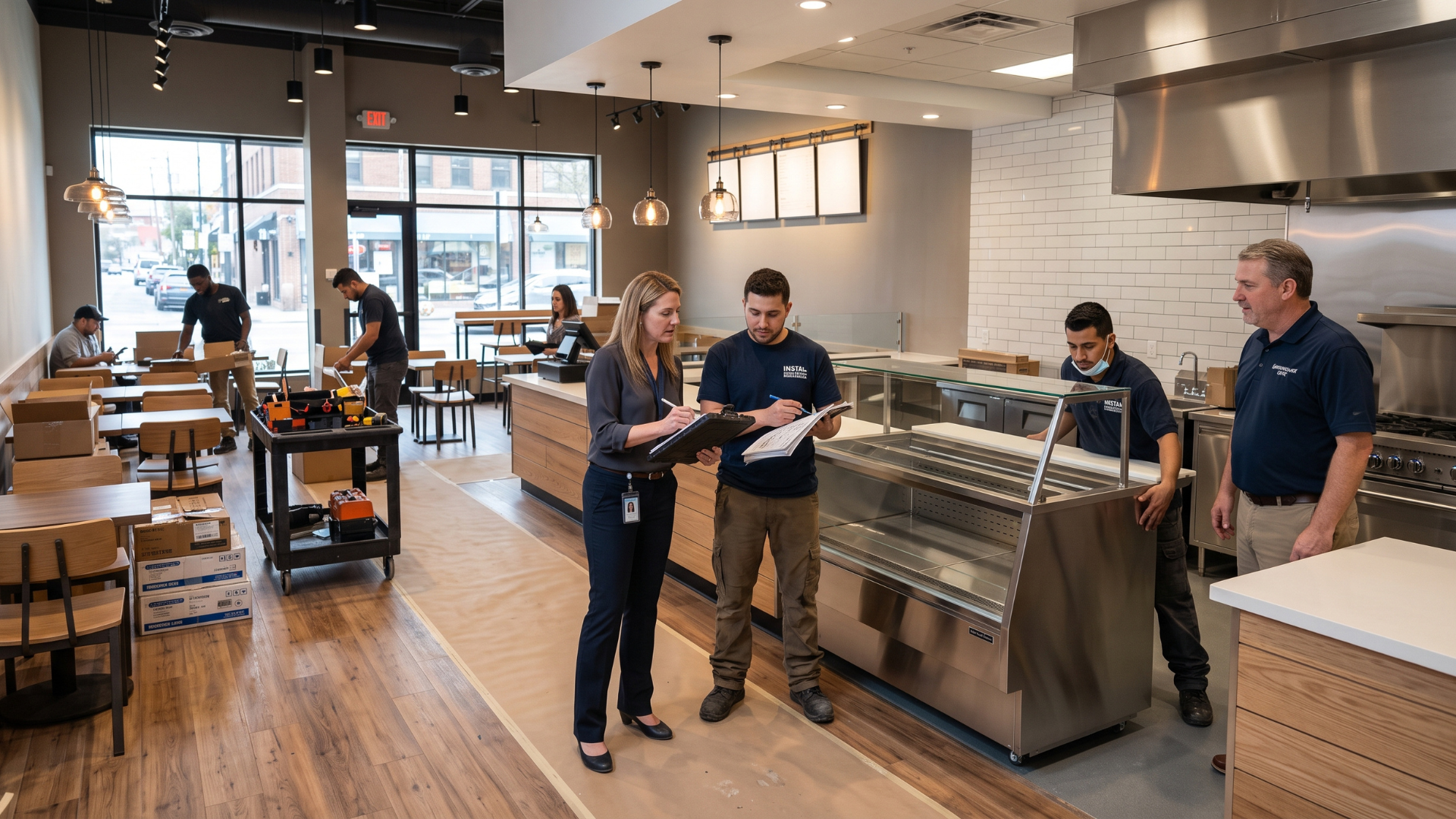
Opening one restaurant is complicated. Opening several locations while trying to maintain consistent design, equipment, budgets, and timelines is even more demanding. For growing restaurant brands, turnkey project management can simplify expansion by bringing design coordination, equipment planning, procurement, installation, and construction-related decisions into one organized process. Coast 2 Coast Solutions helps restaurant groups manage these moving parts so each new location can move from planning to opening with fewer avoidable delays.
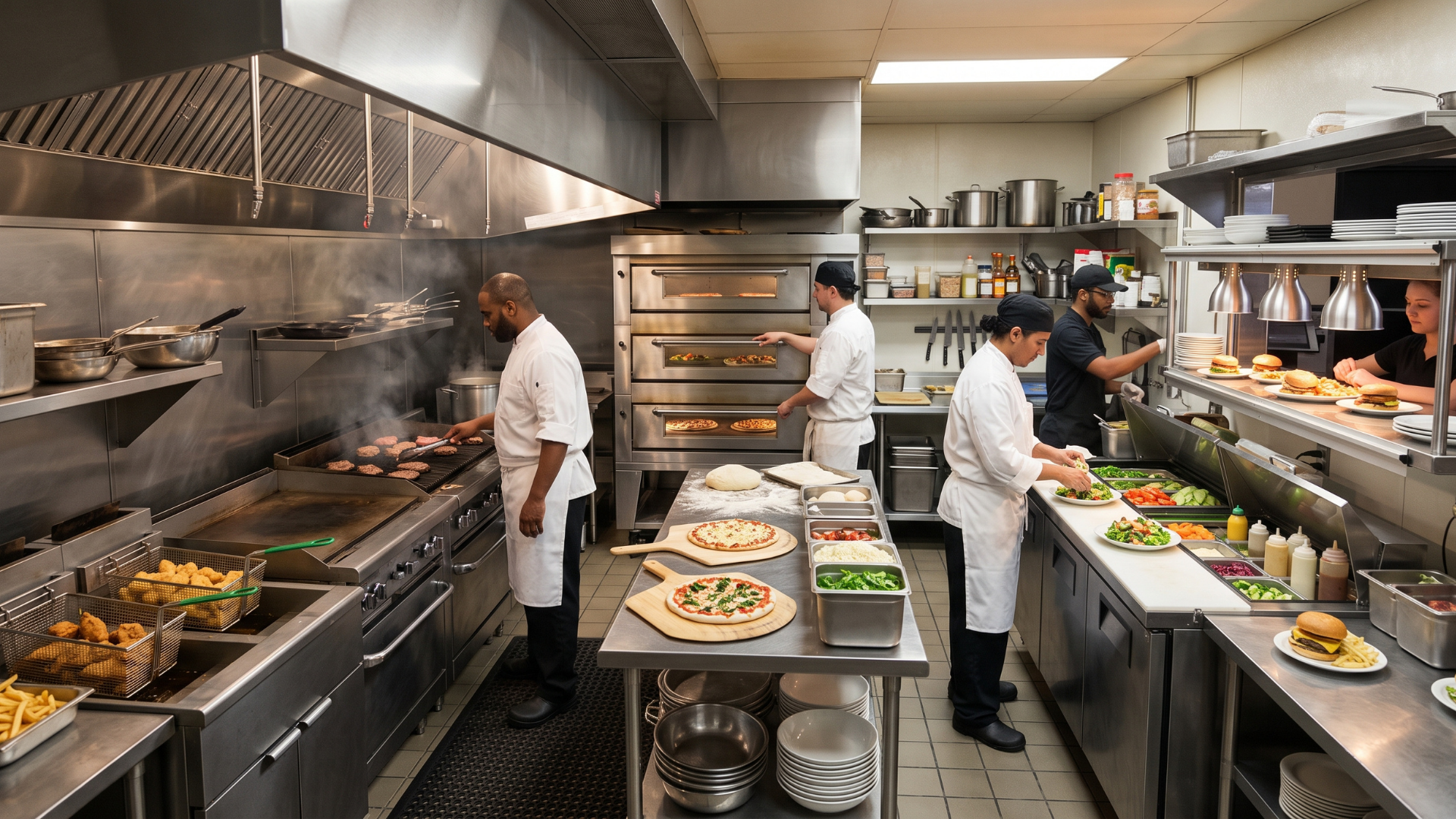
Choosing commercial kitchen equipment should begin with one question: what does the restaurant actually need to produce? It is easy to focus on brand names, equipment size, or features, but the best kitchen is built around real menu demand , expected volume, available space, and workflow. Coast 2 Coast Solutions helps restaurants and foodservice operations plan equipment packages as part of a broader turnkey kitchen strategy. Matching equipment to production needs can improve efficiency, reduce unnecessary costs, and help the kitchen perform more reliably during busy service periods.
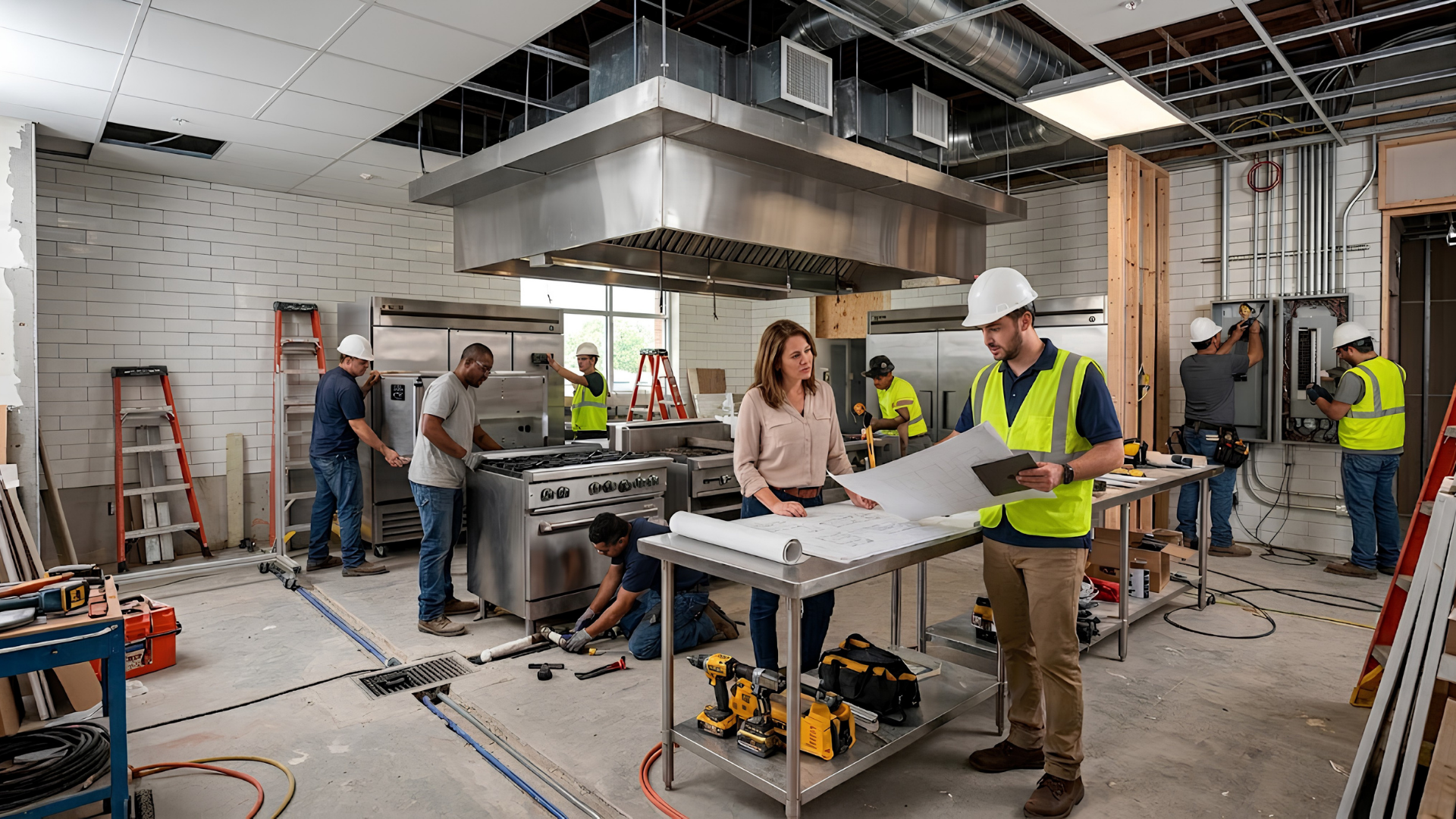
A commercial kitchen project involves many moving parts. Restaurant owners may need to coordinate designers, equipment suppliers, contractors, installers, electricians, plumbers, ventilation specialists, and delivery teams, all while trying to stay on schedule and within budget. When communication is spread across too many vendors, details can be missed and responsibilities can become unclear. A turnkey project model helps simplify that process by giving the owner one primary point of contact who can coordinate the major phases of the build. Coast 2 Coast Solutions specializes in turnkey commercial kitchen design and installation, helping restaurant operators manage complex projects from planning through final equipment installation.

Building or renovating a commercial kitchen involves far more than choosing ovens, refrigeration, and prep tables. A successful restaurant kitchen project requires coordination between design, equipment selection, utilities, contractors, installation crews, inspections, and scheduling. When these moving parts are not managed carefully, delays, budget problems, and installation conflicts can quickly develop. Restaurant kitchen project management brings all of those elements together under a coordinated plan. For restaurant owners, hospitality groups, franchise operators, and developers, professional project management can make the difference between a fragmented construction process and a turnkey kitchen that is ready to support operations from day one.
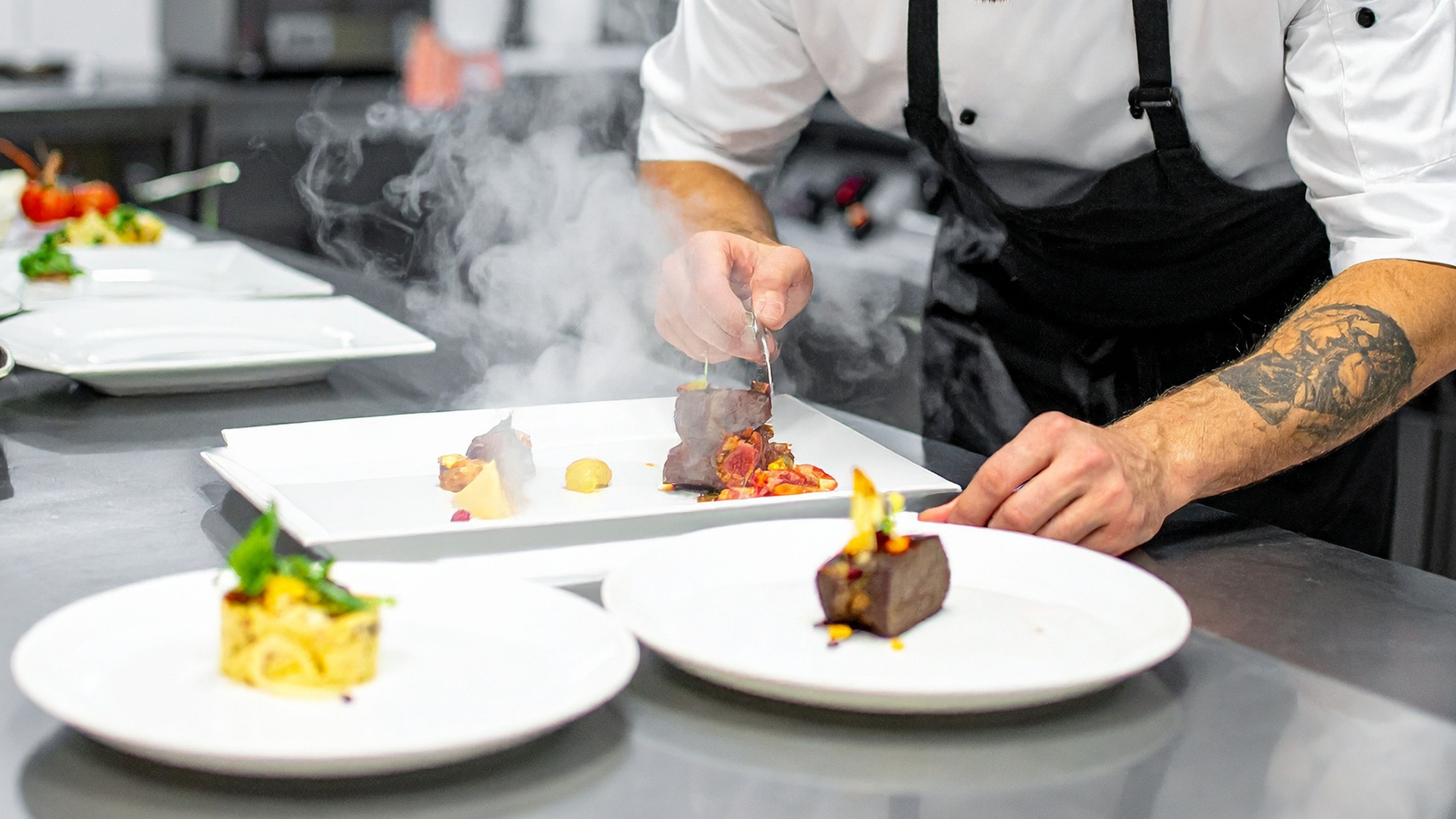
Every successful restaurant begins with a clear culinary vision. Whether the concept centers on artisan pizza, upscale seafood, quick-service sandwiches, or high-volume catering, the menu shapes nearly every operational decision that follows. One of the most important—and often overlooked—is the design of the commercial kitchen. A well-planned kitchen should support the food being prepared, not force chefs and staff to work around an inefficient layout. Designing a commercial kitchen around the menu creates a more productive workspace, supports food quality, and provides the flexibility needed for long-term success. Coast 2 Coast Solutions specializes in turnkey commercial kitchen design, helping restaurant owners create kitchens that are as functional as the meals they serve.
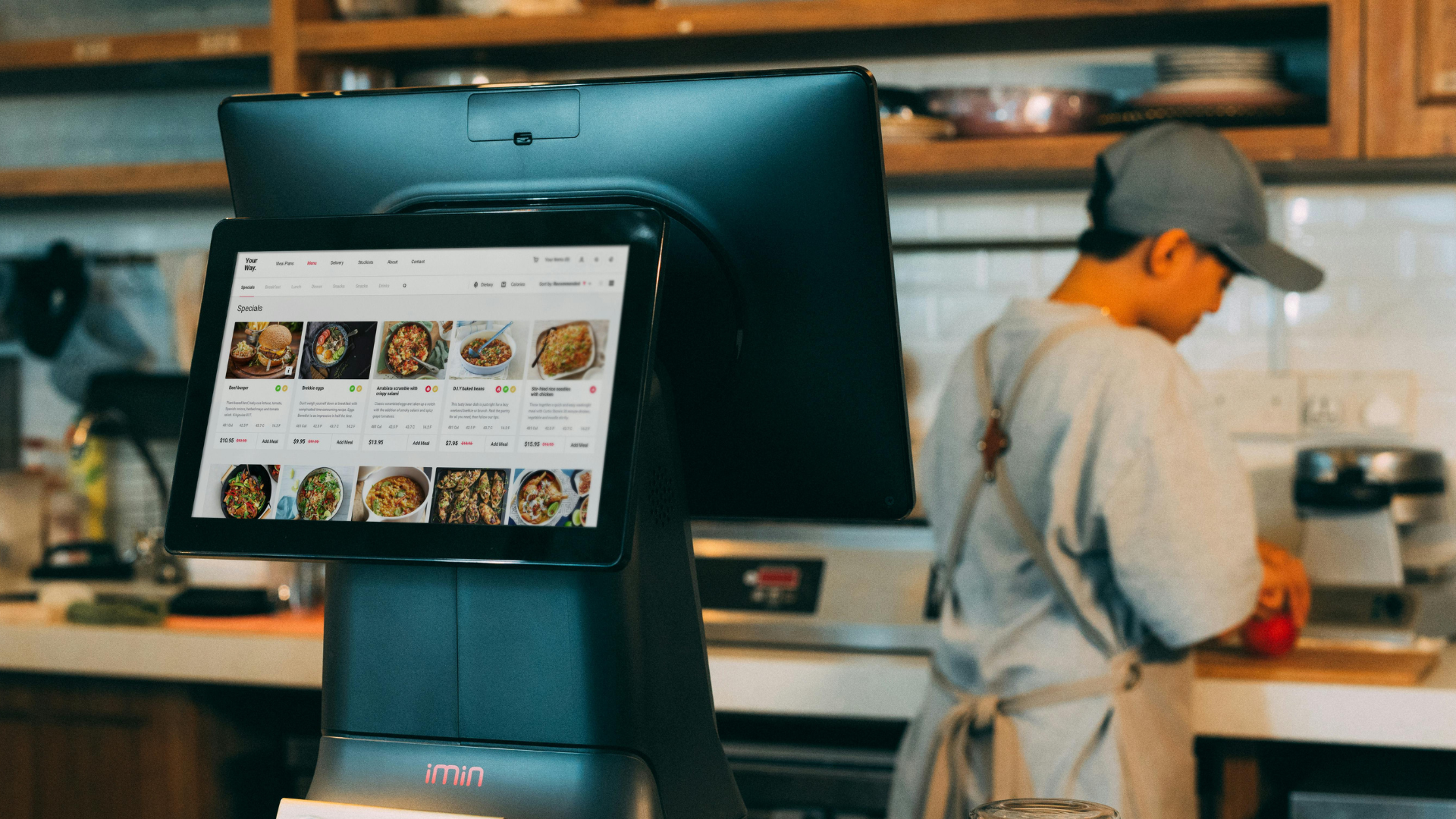
A point-of-sale ( POS ) system is often viewed as the hub for processing customer orders and payments, but its role extends far beyond the front counter. In today’s commercial kitchens, a well-integrated POS system serves as a communication bridge between the dining area, kitchen staff, management, and even inventory systems. When these technologies work together seamlessly, restaurants can improve efficiency, reduce errors, and deliver a better experience for both employees and guests. For restaurant owners planning a new build, renovation, or technology upgrade, integrating a POS system into the overall kitchen design should be an important part of the project rather than an afterthought.
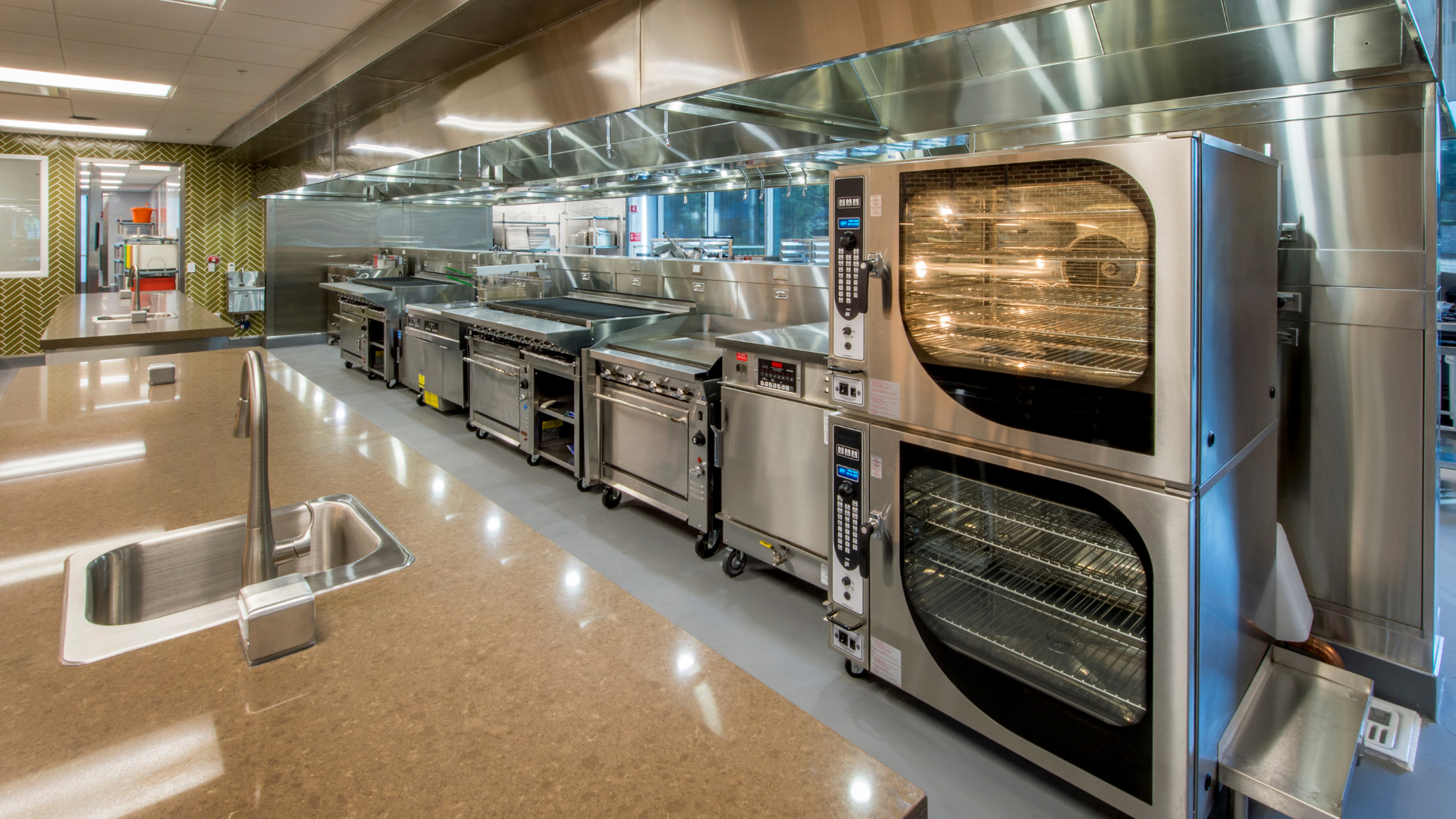
Opening a single restaurant requires careful planning, coordination, and attention to detail. Expanding that process across multiple locations introduces an entirely new level of complexity. Restaurant groups, franchise operators, and growing brands must coordinate construction schedules, equipment procurement, vendor relationships, permitting, and installation while maintaining consistency from one location to the next. A turnkey kitchen design approach helps simplify restaurant rollouts by bringing every stage of the project under one experienced team, allowing operators to focus on growing their business instead of managing multiple contractors.