The Importance of Front of House and Back of House Integration
Seamless Service Starts Behind the Scenes
Successful restaurants are built on more than good food and service. Behind every smooth dining experience is a carefully coordinated relationship between the front of house and the back of house. When these two areas are designed in isolation, inefficiencies, delays, and frustration often follow. Integrating front of house and back of house design from the beginning is essential for supporting service flow, staff coordination, and long term operational success.
Why Separation Creates Problems
In many restaurant projects, front of house design focuses on aesthetics and guest experience, while back of house design centers on equipment and production. When these areas are planned separately, critical connections are often overlooked.
Poor integration can lead to long food travel distances, awkward service paths, bottlenecks near pass through areas, and unnecessary staff movement. Over time, these issues slow service, increase labor strain, and make training more difficult.
Integration ensures that design supports how the restaurant actually operates during peak service.
Supporting Efficient Service Flow
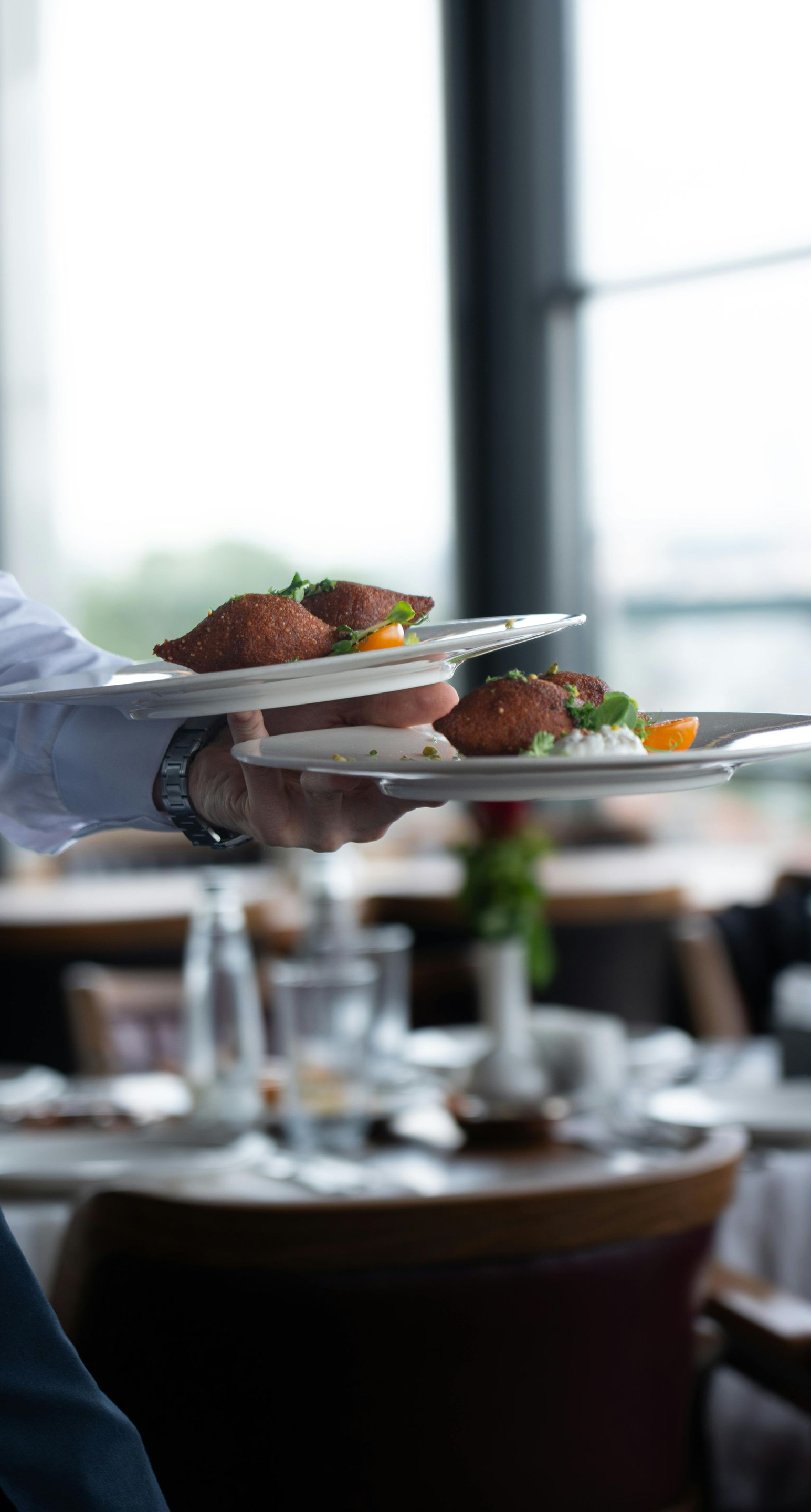
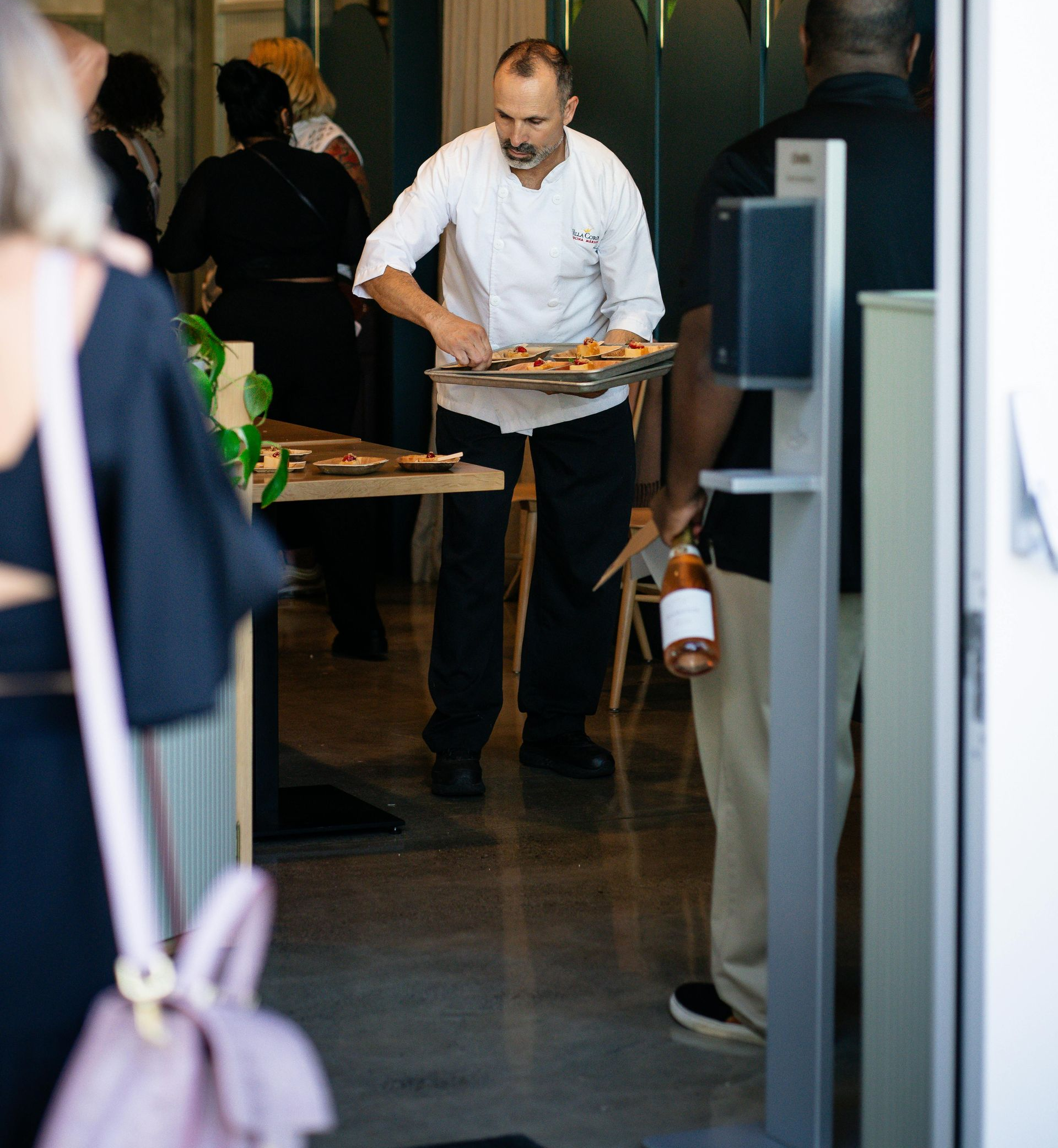
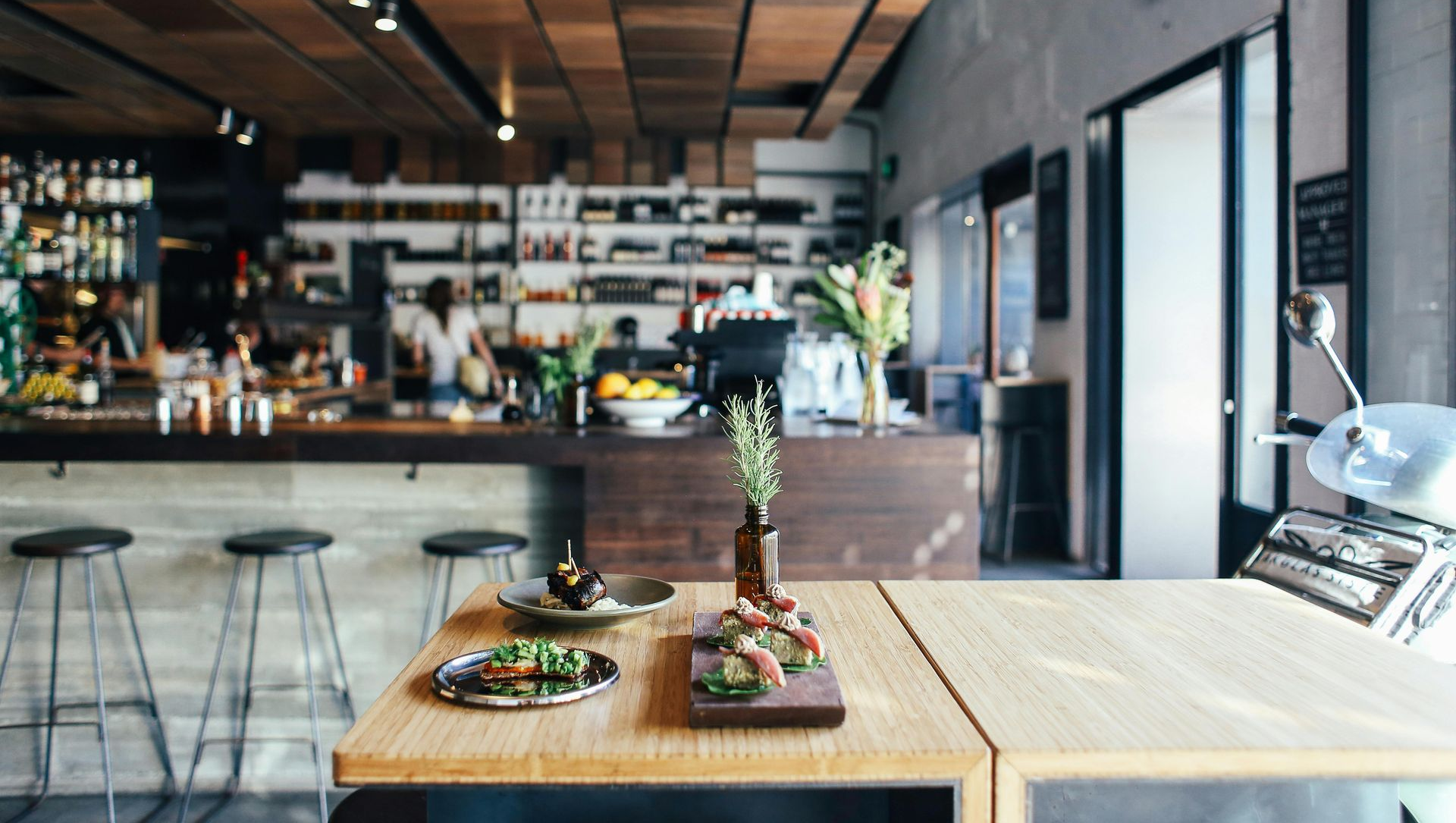
One of the most important benefits of front and back of house integration is efficient service flow. Servers, runners, and kitchen staff rely on clear, logical paths to move food, dishes, and supplies without interference.
When kitchens are positioned without regard to dining room layout, staff may be forced to cross guest areas frequently or navigate tight corners during busy periods. Thoughtful integration minimizes these disruptions and helps maintain a calm, professional atmosphere for guests.
Clear service zones allow staff to move confidently and reduce unnecessary steps that add up over the course of a shift.
Improving Communication Between Teams
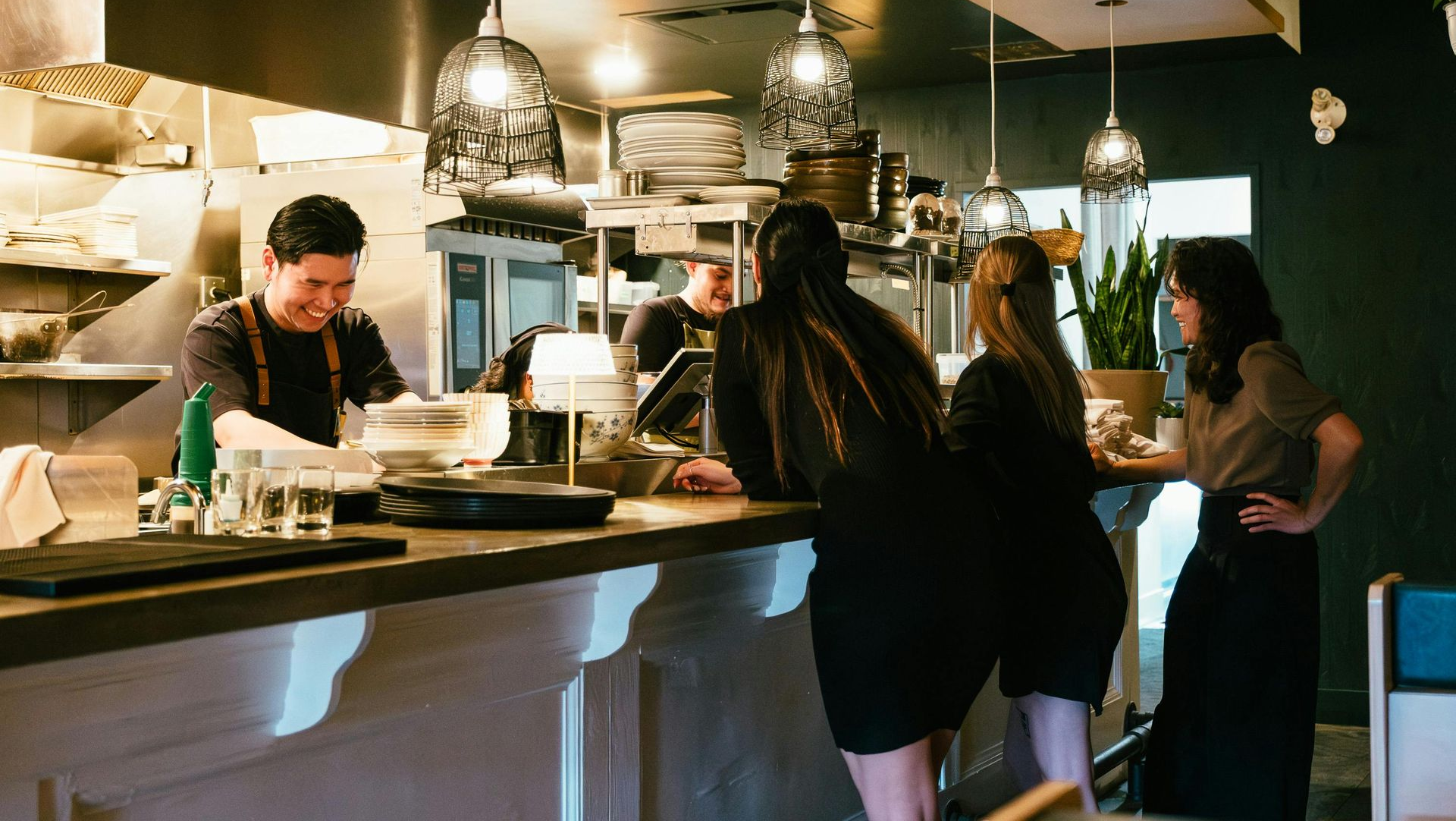
Physical layout influences communication. When front and back of house teams are visually and spatially disconnected, communication becomes reactive rather than proactive. Delays in relaying information about orders, timing, or special requests can affect service quality.
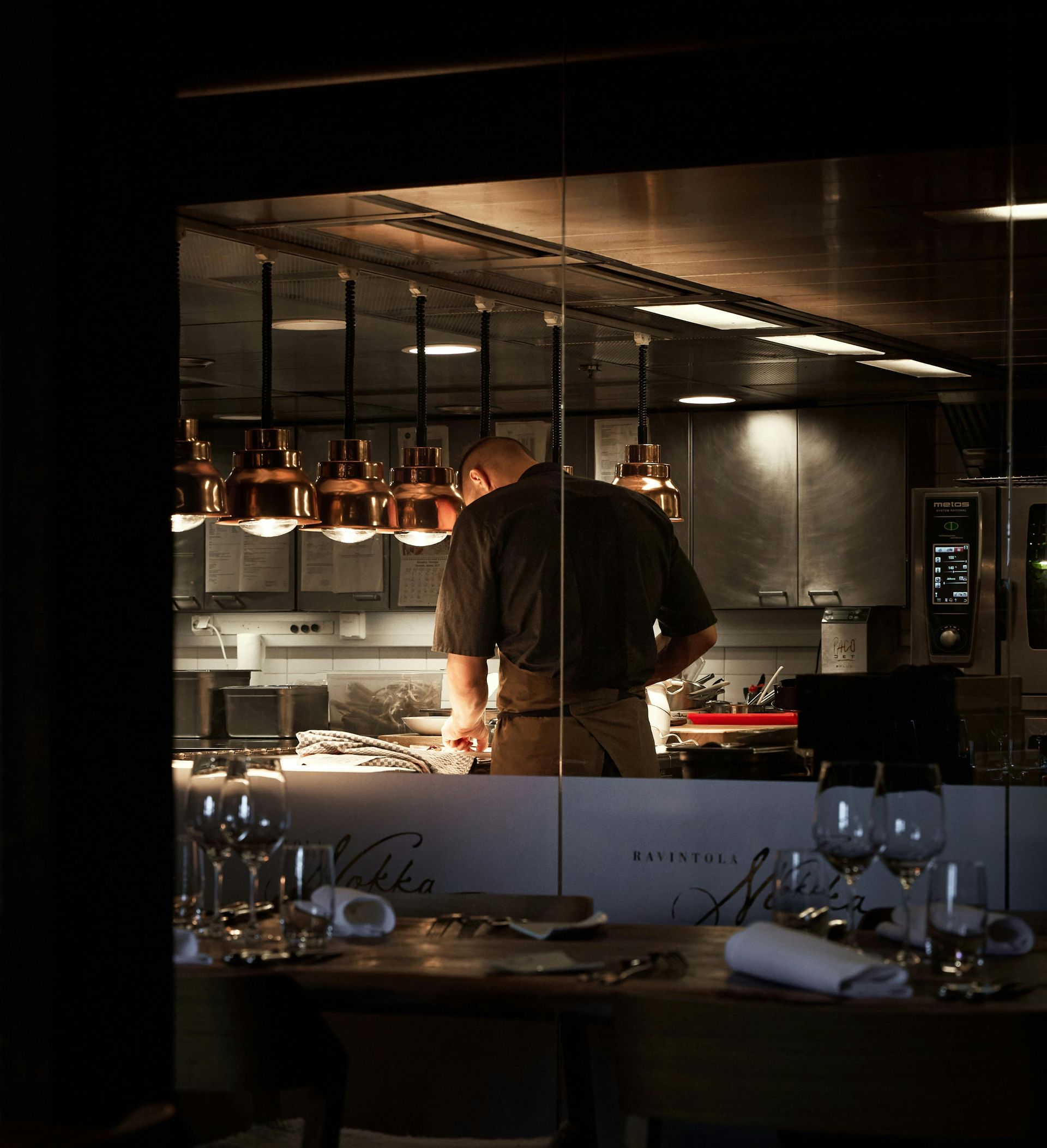
Integrated design considers sightlines, proximity, and pass through placement to support clear communication. When teams can see and access one another easily, coordination improves and service becomes more consistent.
This is especially important during peak hours when quick adjustments are often required.
Reducing Staff Fatigue and Turnover
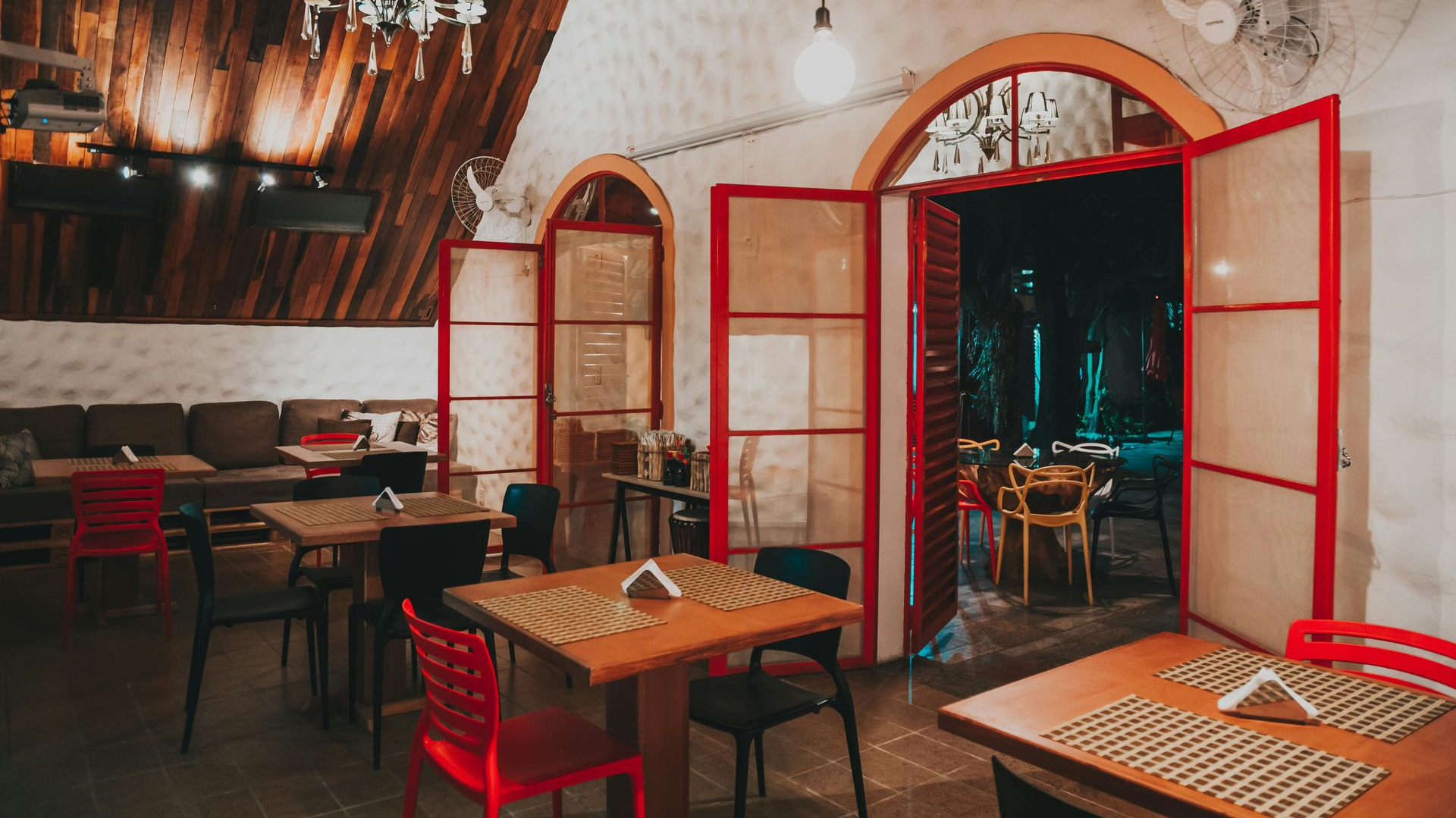
Restaurant work is physically demanding. Excessive walking, awkward turns, and poorly placed workstations contribute to fatigue over time. When front and back of house layouts are aligned, staff movement becomes more efficient and less taxing.
Reducing physical strain can improve morale and help retain experienced team members. A well integrated layout also makes it easier for new staff to learn their roles, which supports faster onboarding and smoother operations.
Design that supports staff well being ultimately supports the business.
Enhancing Guest Experience
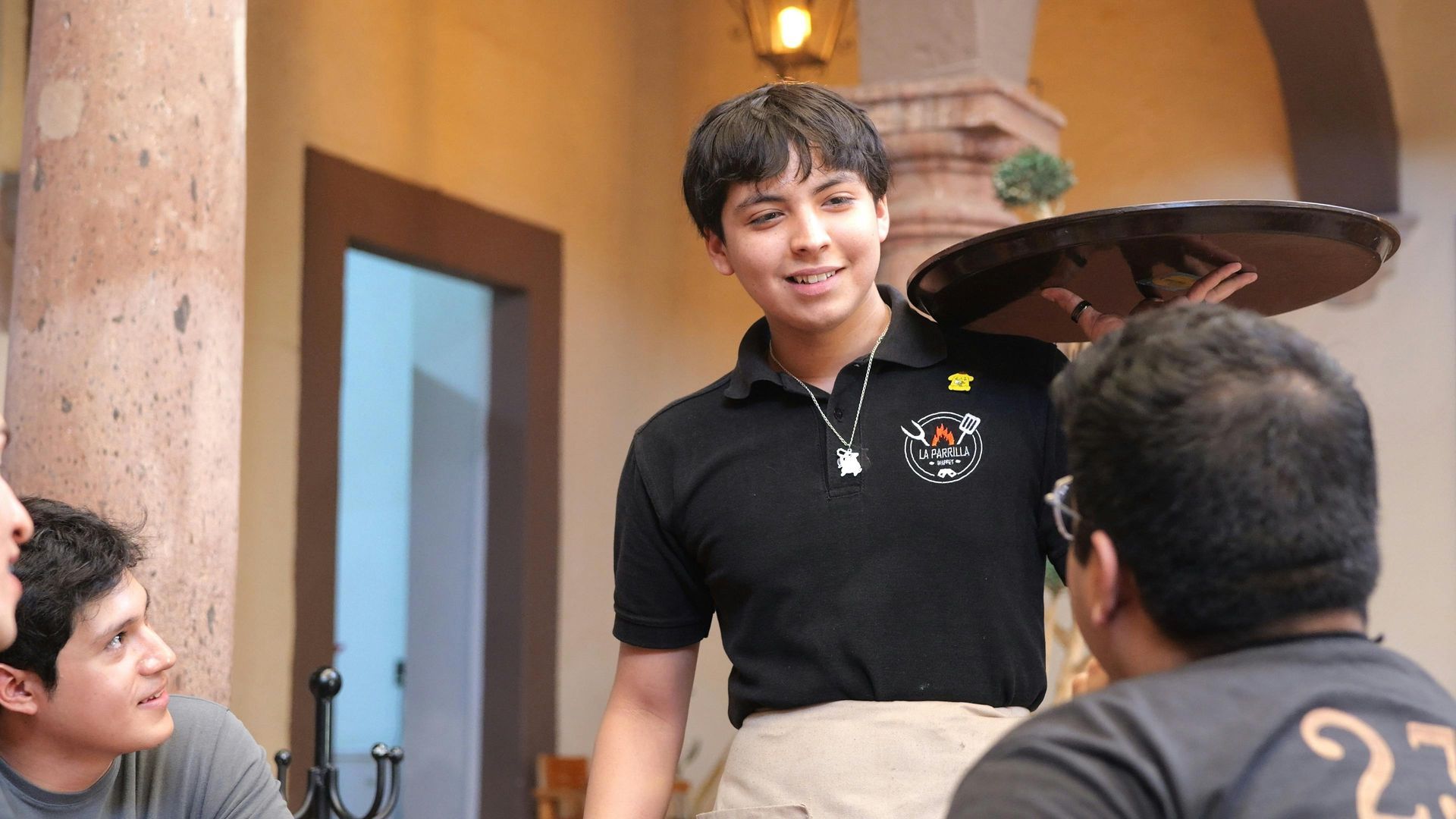
Guests may never see the back of house, but they feel its impact. Slow service, inconsistent pacing, and visible staff congestion near dining areas all influence perception.
Integrated design helps keep service areas organized and out of the guest’s direct view while maintaining easy access for staff. This balance supports a seamless dining experience where service feels attentive rather than chaotic.
When front and back of house work together spatially, guests benefit from smoother service without being aware of the effort behind it.
Planning Integration From Day One
Front and back of house integration works best when considered early in the design process. Attempting to fix flow issues after construction often leads to compromises and additional cost.
By planning layouts together from the start, design decisions can account for menu requirements, staffing levels, and service style. This approach reduces rework and supports a more cohesive final result.
A Turnkey Approach to Integration
Integration requires coordination across design, equipment planning, utilities, and construction sequencing. Treating these elements separately increases the risk of misalignment.
At Coast 2 Coast Solutions, we take a turnkey approach that considers front of house and back of house as interconnected systems. By designing and coordinating both areas together, we help restaurant owners create spaces that support efficiency, communication, and long term success from the first service onward.