How Kitchen Design Impacts Labor Costs and Staffing Efficiency
Reducing Labor Strain
Labor is one of the largest ongoing expenses in any food service operation. While many owners focus on wages, scheduling, and training, the physical layout of the kitchen itself plays a major role in how efficiently staff can work. Thoughtful commercial kitchen design can reduce unnecessary movement, improve communication, and allow teams to do more with fewer people, all without compromising quality or safety.
At Coast 2 Coast Solutions, we see kitchen design as a strategic tool for controlling labor costs while supporting consistent performance.
Movement Equals Labor
Every step a cook, prep worker, or dishwasher takes requires time and energy. When kitchen layouts force staff to cross paths repeatedly, travel long distances between stations, or backtrack for tools and ingredients, labor inefficiency becomes built into daily operations.
Over the course of a shift, small inefficiencies add up. Over the course of a year, they translate into higher staffing needs, longer ticket times, and increased fatigue. Efficient design minimizes unnecessary movement so staff can focus on production rather than navigation.

Station Placement and Workflow
The relationship between stations is critical. Prep, cooking, plating, and dish areas should follow a logical sequence based on how food moves through the operation. When stations are placed without regard to workflow, staff are forced to work around the layout instead of with it.
Proper station placement supports smoother handoffs and reduces congestion during peak service. This allows fewer staff members to handle higher volume without sacrificing consistency.
Reducing Bottlenecks During Peak Hours
Peak service is where labor inefficiencies become most visible. Crowded aisles, shared equipment, and poorly placed refrigeration can slow down even experienced teams. These bottlenecks often lead operators to add staff as a short term fix, increasing labor costs without addressing the root problem.
A well designed kitchen anticipates peak demand and allocates space accordingly. Clear paths, adequate landing areas, and properly sized work zones help prevent slowdowns that would otherwise require additional staffing.
Equipment Selection and Placement
Equipment choices directly influence staffing needs. Multi function equipment can reduce the number of stations required, while poorly chosen equipment can increase complexity and training time.
Placement matters just as much as selection. Equipment should be positioned based on frequency of use and proximity to related tasks. When staff can access what they need without crossing the kitchen, productivity improves naturally.

Communication and Visibility
Kitchen design also affects how staff communicate. Poor sightlines and cramped layouts can create confusion and delay responses. Clear visibility between stations and service areas allows teams to coordinate more effectively, reducing errors and rework.
Improved communication supports smoother service with fewer hands on deck.
Fatigue and Retention
Physical strain contributes to burnout and turnover. Kitchens that require excessive bending, reaching, or long periods of standing without relief can take a toll on staff. Fatigued employees are more likely to make mistakes, work slower, and leave positions sooner.
Design that prioritizes ergonomics supports employee well being. Reduced fatigue often leads to better retention, which lowers hiring and training costs over time.
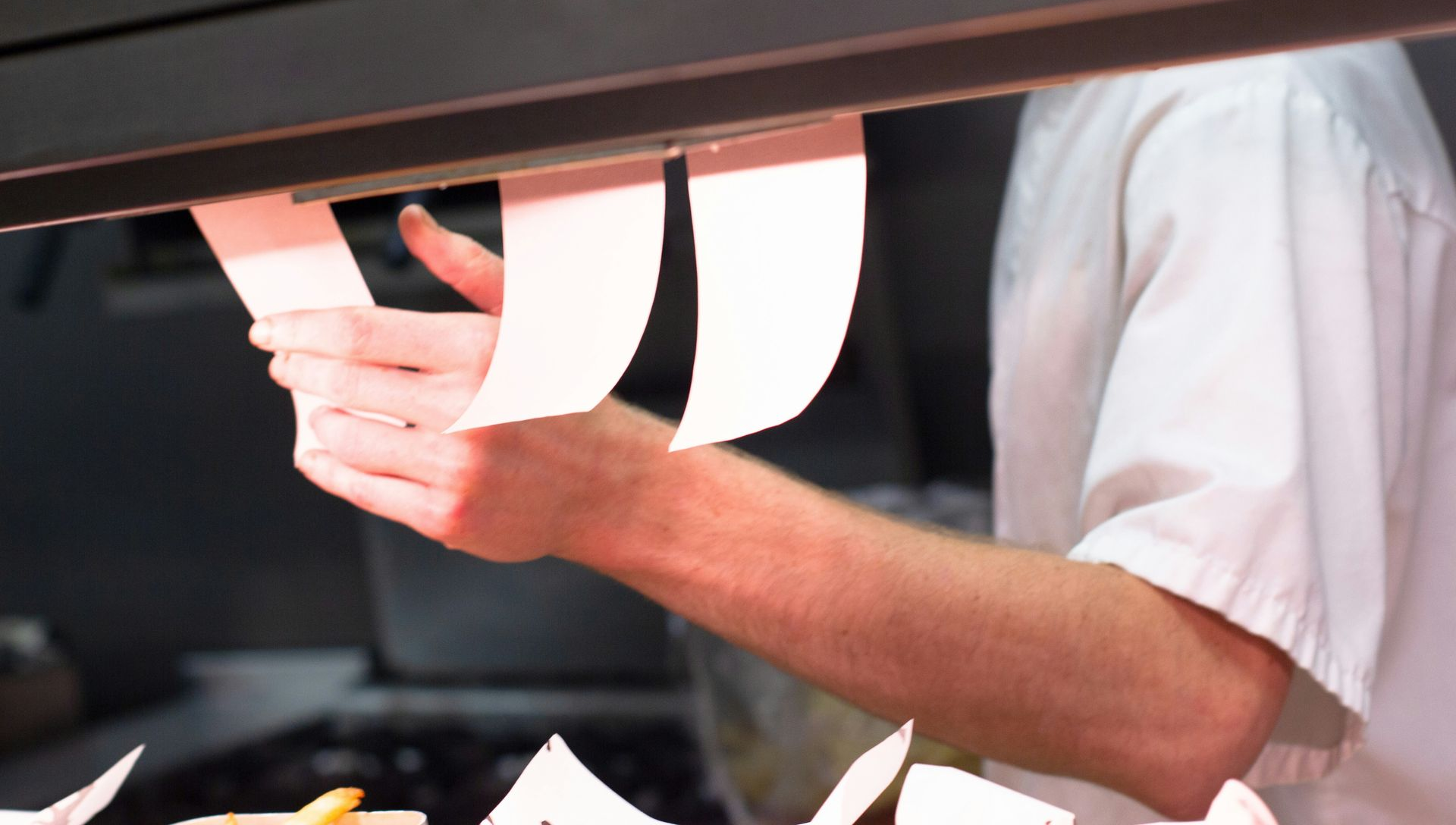
Designing With Staffing Levels in Mind
One of the most common mistakes we see is designing kitchens without considering realistic staffing levels. A layout that only works when fully staffed leaves little margin for call outs or turnover.
We design kitchens to operate efficiently even with lean teams. This flexibility helps owners maintain service standards without constantly adjusting schedules or payroll.
A Strategic Approach to Labor Efficiency
Kitchen design is not just about aesthetics or equipment lists. It is about how people work within the space day after day. When design supports workflow, communication, and ergonomics, labor efficiency improves naturally.
At Coast 2 Coast Solutions, we approach commercial kitchen design with staffing efficiency in mind from the start. By aligning layout, equipment, and workflow, we help restaurateurs control labor costs while building kitchens that support long term operational success.