How Turnkey Commercial Kitchen Solutions Simplify the Construction and Opening Process
Streamlining Success with Turnkey Commercial Kitchen Builds
Building a commercial kitchen is a complex process that involves careful planning, precise installation, and coordination among multiple trades. Restaurant operators and foodservice providers often face significant challenges as they attempt to bring all these moving parts together on time and within budget. Turnkey commercial kitchen solutions address these challenges by providing a complete start to finish project process. At Coast 2 Coast Solutions Inc., we manage every phase of a kitchen build so our clients can focus on their operations while we ensure that the facility is constructed correctly, efficiently, and in compliance with all relevant codes.
A Seamless Start With Professional Planning
The success of a commercial kitchen project depends heavily on its earliest planning stages. A well designed kitchen layout improves workflow, supports food safety, and reduces long term operational costs. Our turnkey approach begins with a thorough evaluation of the client’s space, service model, and equipment needs. This early planning allows us to create a functional layout that supports both productivity and safety.
We assess heat zones, refrigeration placement, cooking lines, prep areas, dish stations, and air movement. Each decision influences performance once the kitchen is operational. By handling these details upfront, we help prevent costly redesigns or delays that often occur when planning is incomplete or fragmented.
Equipment Procurement Without the Stress
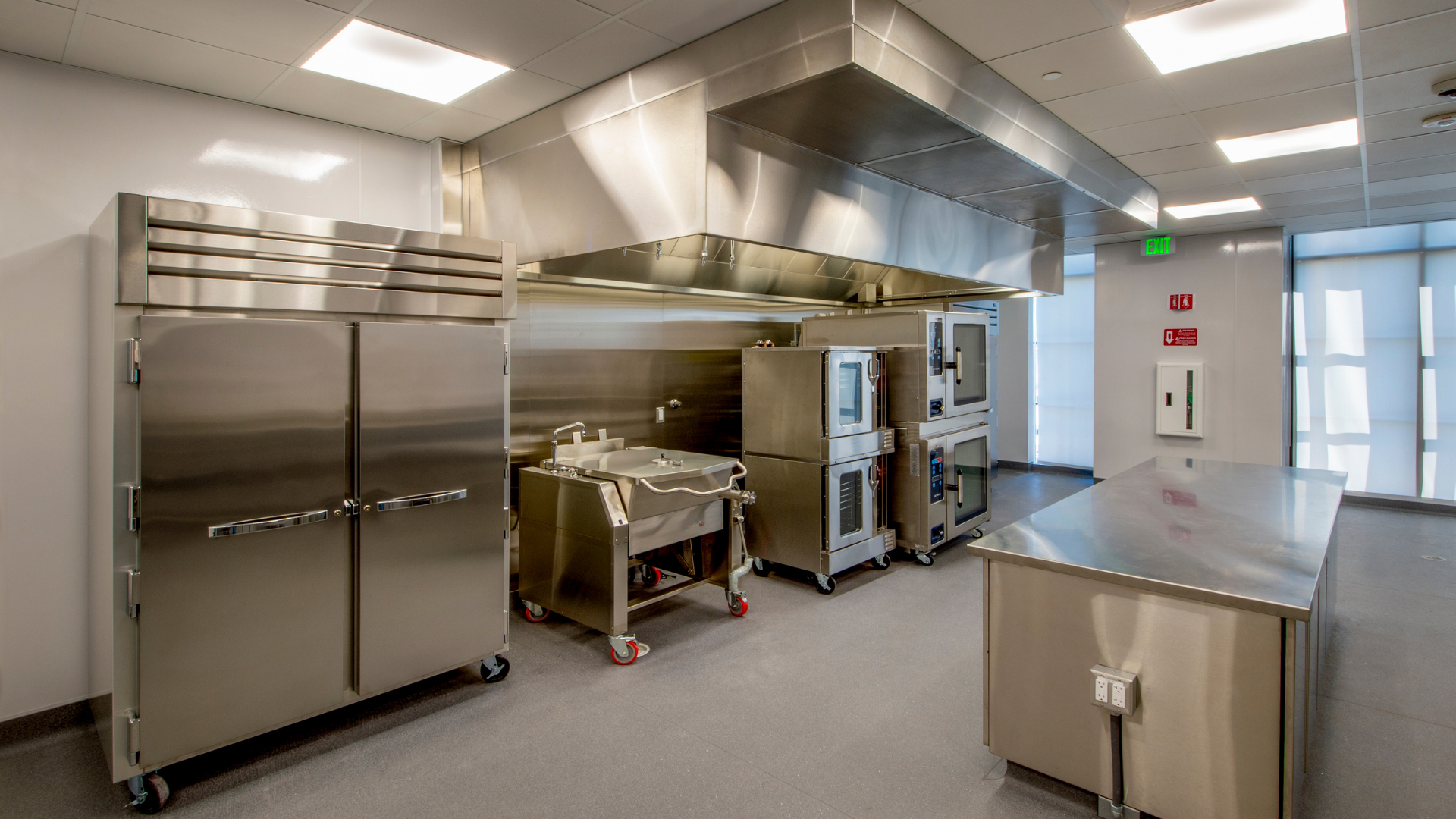
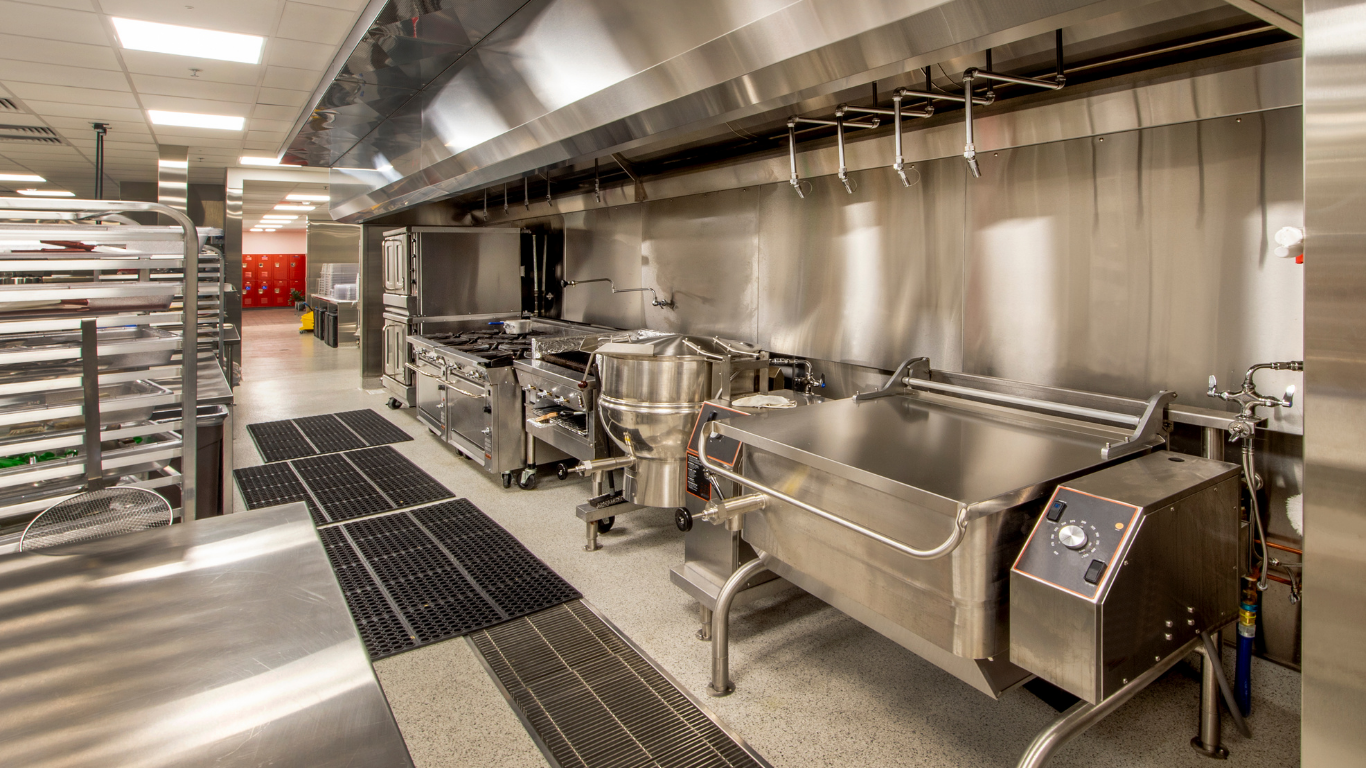
Selecting, sourcing, and coordinating equipment deliveries can overwhelm even experienced operators. Commercial kitchens require specialized appliances, stainless steel fabrication, ventilation systems, refrigeration equipment, and custom fixtures. With a turnkey system, we handle all procurement responsibilities.
Our team ensures that each piece of equipment meets industry standards, fits properly within the planned space, and supports the client’s workflow. By managing supply chains and coordinating deliveries, we reduce the risk of receiving incorrect or incompatible equipment. This attention to detail protects the project timeline and keeps construction moving smoothly.
Expert Installation That Ensures Performance
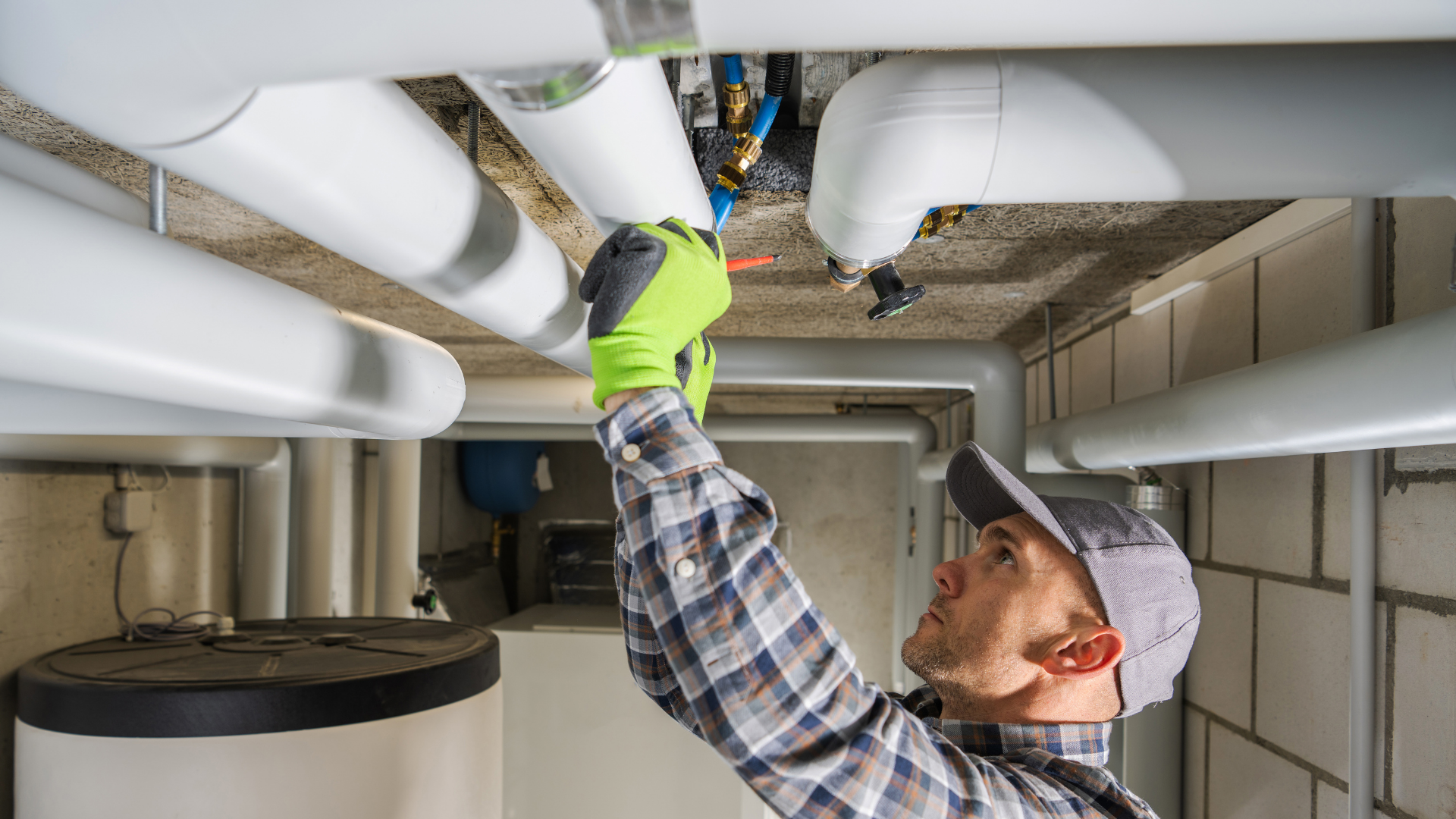
Installation is one of the most critical phases of a kitchen project. Proper equipment installation affects long term reliability, safety, and operational efficiency. We oversee each installation step to ensure optimal performance. This includes electrical requirements, gas connections, plumbing integration, ventilation setup, and precise positioning of appliances.
Because we manage the installation directly, clients do not need to coordinate multiple contractors or worry about miscommunication among trades. Our team understands how each component interacts with the others. This knowledge allows us to create a cohesive, reliable system that supports safe and efficient foodservice operations.

Code Compliance Built Into the Process
Health departments, fire marshals, and building authorities have strict codes governing commercial kitchen construction. Failure to comply with these standards can lead to delays, costly corrections, or operational restrictions. Our turnkey approach incorporates compliance into every stage of the project.
We ensure that ventilation systems meet fire safety requirements, cooking equipment has proper clearance, electrical and plumbing lines are appropriately installed, and access pathways meet code. Because we work nationwide, we stay familiar with regional regulatory differences and adjust accordingly. Clients gain peace of mind knowing that the kitchen is built to satisfy all inspection requirements.
Streamlined Scheduling and Project Management
Coordinating the many phases of a kitchen build requires disciplined scheduling and communication. A fragmented approach often leads to delays when contractors wait on one another or essential steps are overlooked. Our turnkey method eliminates these bottlenecks by centralizing project management.
We oversee timelines, coordinate trades, anticipate challenges, and keep the project progressing without unnecessary gaps. Clear communication ensures that each stage transitions smoothly to the next. This unified management structure saves time and reduces the likelihood of errors.

Faster, More Confident Restaurant Openings
A turnkey commercial kitchen minimizes uncertainty during the buildout and allows clients to prepare for opening with confidence. By handling planning, procurement, installation, and compliance, we create a reliable path from concept to completion. Clients are able to focus on staff training, menu development, and operational planning while we ensure that the kitchen is fully functional and ready for service.
Building Kitchens That Support Long Term Success
A well constructed kitchen is the foundation of a successful foodservice operation. Turnkey commercial kitchen solutions simplify the process by providing a single accountable team that manages every detail with precision. At Coast 2 Coast Solutions Inc., we deliver kitchens that are built to perform from day one and continue supporting our clients for years to come.