Why the Holiday Season Is the Right Time to Plan Your Next Commercial Kitchen Project

December 26, 2025

Planning Beyond the Menu

The Christmas season is traditionally associated with reflection, planning, and preparing for the year ahead. For restaurant owners, hospitality groups, and food service operators, it is also a valuable window to step back from daily pressures and evaluate long term operational needs. At Coast 2 Coast Solutions Inc., we often find that the holiday season is one of the most strategic times to begin planning a new commercial kitchen or redesigning an existing one.


Slower Periods Create Space for Strategic Thinking

For many food service operations, activity slows slightly during the holidays or follows predictable seasonal patterns. Even for busy establishments, administrative workloads often ease as projects pause and schedules reset. This creates an opportunity to focus on planning rather than reacting.


Designing a commercial kitchen requires careful consideration of workflow, equipment placement, code compliance, and future growth. Beginning these conversations during the Christmas season allows owners and operators to think clearly about what is working, what is not, and what the next phase of the business should look like.
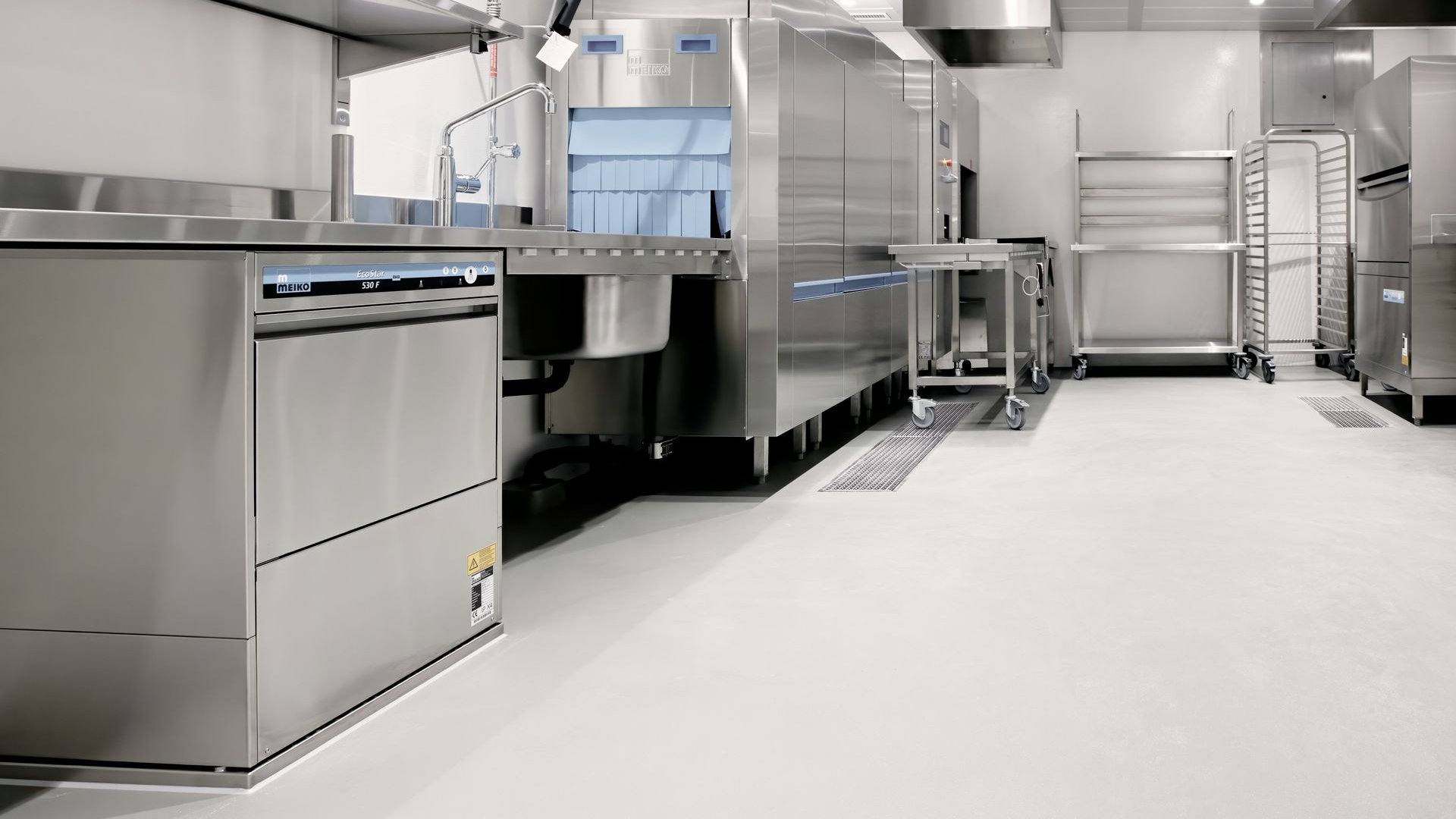
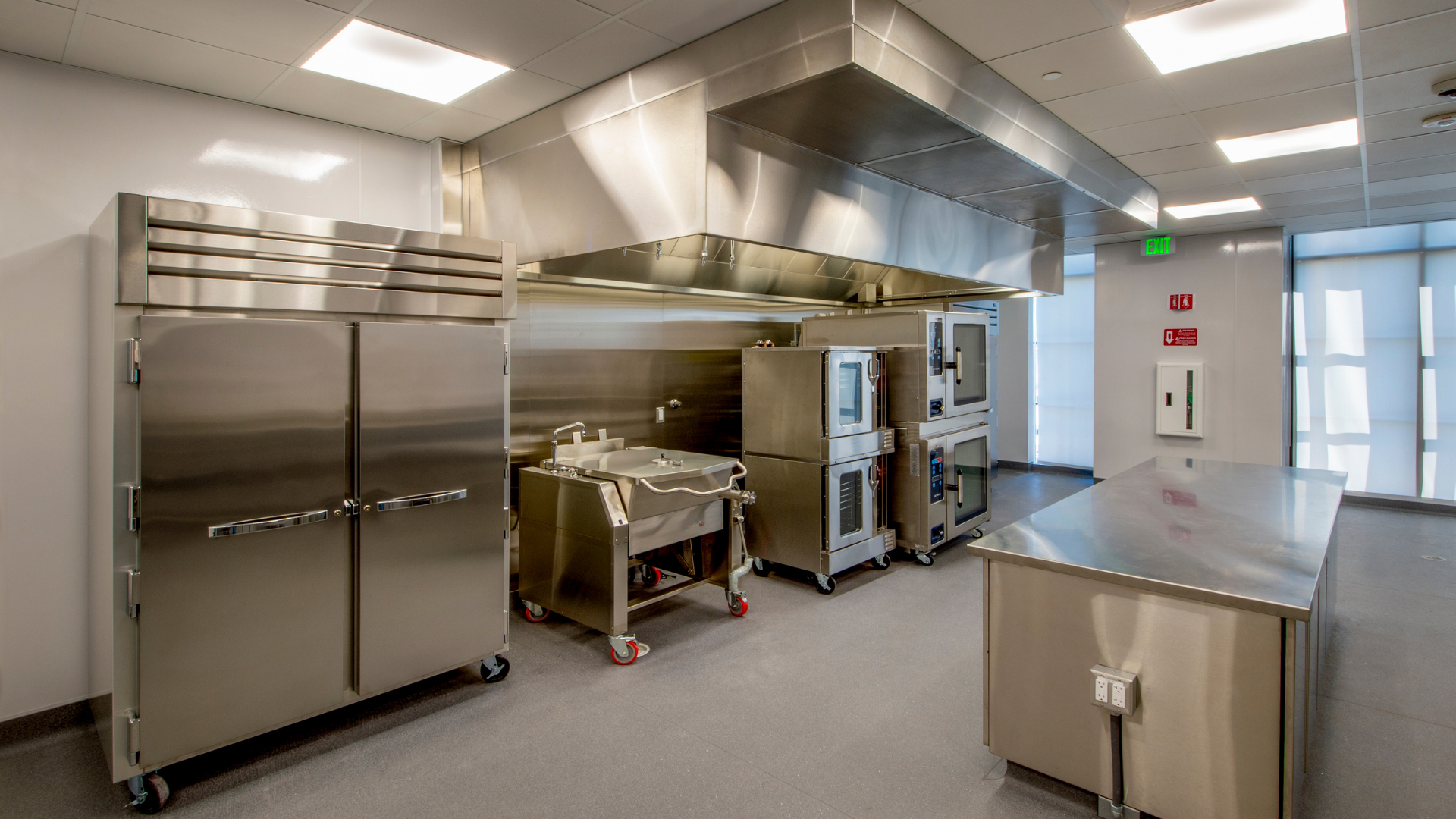
Stainless steel commercial kitchen with industrial dishwasher, sink, and storage shelving.

Planning Ahead Prevents Costly Delays

One of the most common challenges in commercial kitchen projects is rushed decision making. When design work begins too close to a desired opening date, compromises are often made that affect efficiency and long term performance. Planning during the holiday season helps avoid these issues.


Starting early allows time for proper design development, equipment coordination, permitting, and scheduling. This proactive approach reduces the risk of delays once construction timelines begin and helps keep projects aligned with budget expectations.


Designing for the Demands of the New Year

The start of a new year often brings increased activity, menu changes, or expansion plans. Whether a business is opening a new location, upgrading an existing kitchen, or preparing for higher volume, the kitchen must support those goals.


Turnkey commercial kitchen design focuses on creating systems that function efficiently under real world conditions. By planning during the holidays, operators can ensure their kitchen is designed to handle peak demand, staffing needs, and operational flow before those pressures arrive.
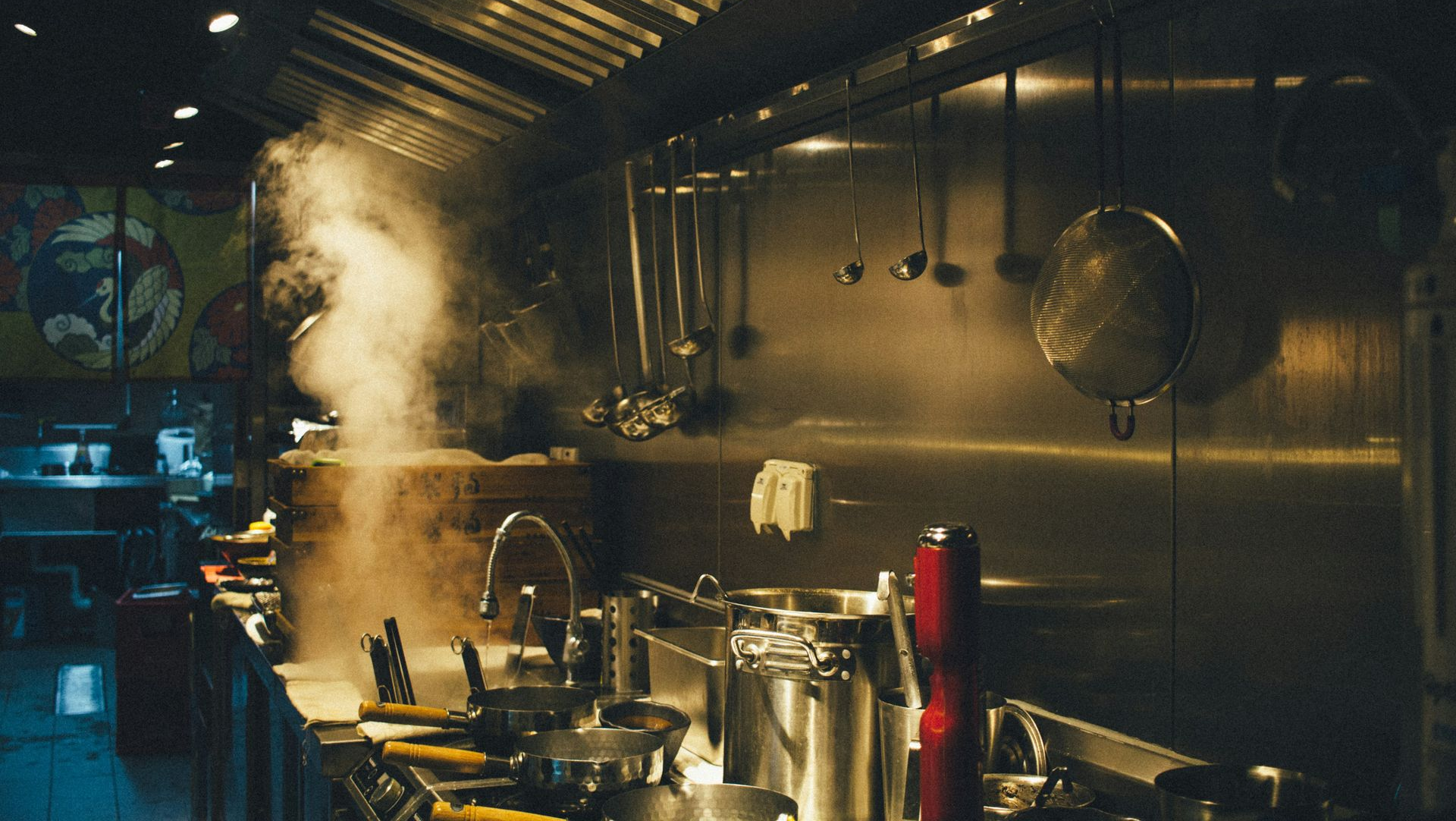
Steaming restaurant kitchen with stainless steel appliances and utensils, smoke rising.

Reflecting on What the Holidays Reveal

The holiday season can highlight limitations in existing kitchens. Increased volume, tighter staffing, or menu complexity often expose inefficiencies that are less noticeable during slower periods. Congested prep areas, equipment bottlenecks, and workflow interruptions become more apparent.


These observations are valuable. They provide real data that can inform better design decisions. Planning a new kitchen or redesign during this time allows those insights to shape a more effective layout.


The Value of a Turnkey Approach

Commercial kitchen projects involve many moving parts. Design, equipment sourcing, coordination with trades, and compliance with health and safety regulations all need to work together. A turnkey approach simplifies this process by creating a cohesive plan from concept through execution.


Beginning this process during the Christmas season allows adequate time to align stakeholders, review options, and make informed decisions. This reduces uncertainty and creates a smoother transition from planning to implementation.
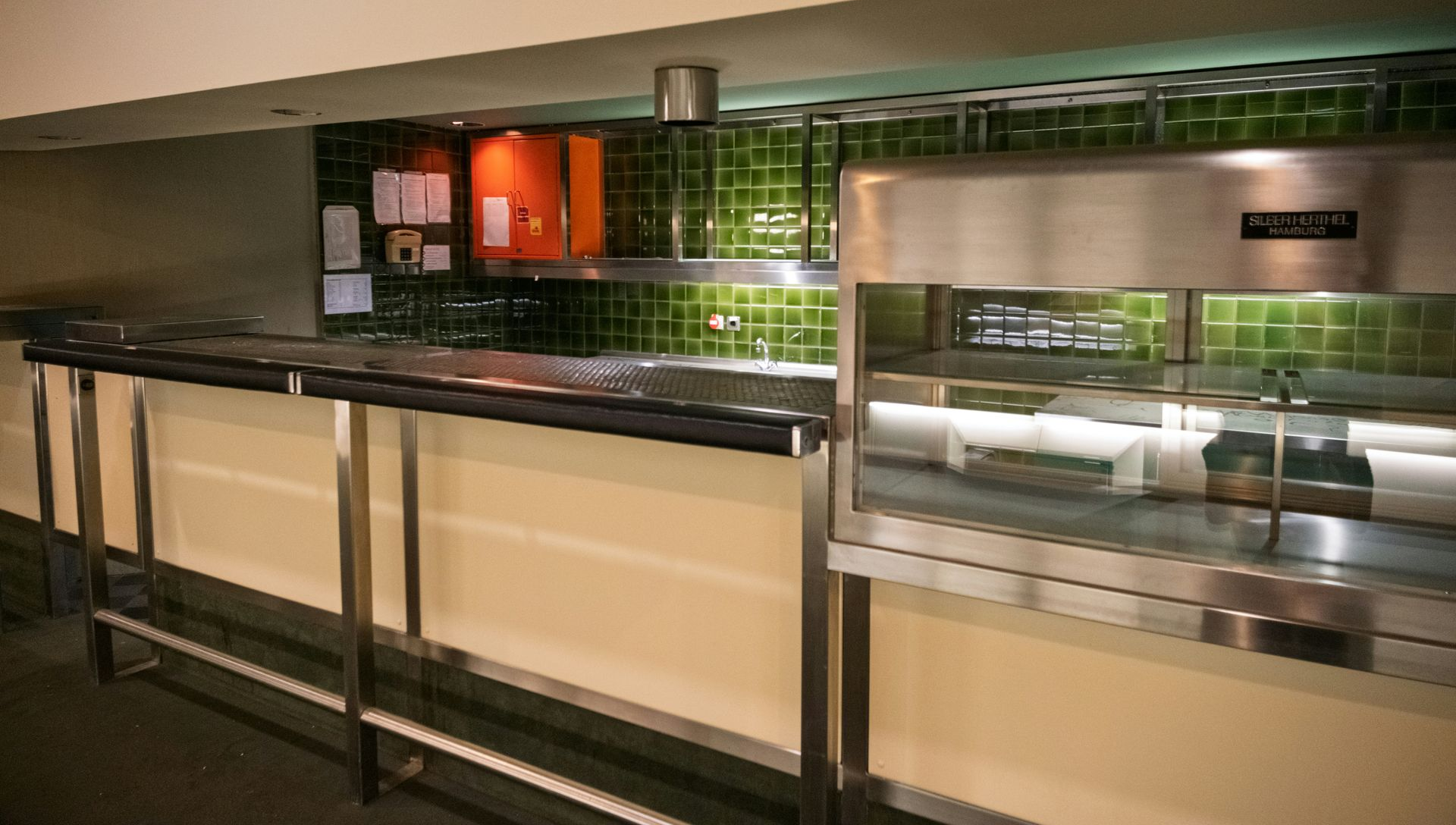
Stainless steel buffet line with green tile backsplash, light wood paneling, and industrial oven.

Using the Holiday Season Wisely

The holidays are often seen as a pause, but for business owners, they can be a powerful planning period. Taking advantage of this time allows kitchen projects to move forward without competing with daily operational demands.


Rather than waiting until spring when schedules are crowded and timelines are compressed, starting now positions projects for success. It allows businesses to move into the new year with clarity and momentum.


Setting the Stage for a Strong Year Ahead

Commercial kitchens are the backbone of food service operations. Thoughtful design supports efficiency, consistency, and growth. Planning during the Christmas season is not about rushing into change, but about preparing deliberately for what comes next.


At Coast 2 Coast Solutions Inc., we work with operators who view the holiday season as an opportunity. By starting commercial kitchen planning now, businesses can enter the new year with a clear vision and a design strategy built to support long term success.


Halved tomatoes on a baking sheet in a kitchen, chef blurred in background.
Warm-lit restaurant interior with copper pendant lights hanging over a round table.
Two pendant lights illuminate a windowsill, with a blurred building visible through a window in the background.
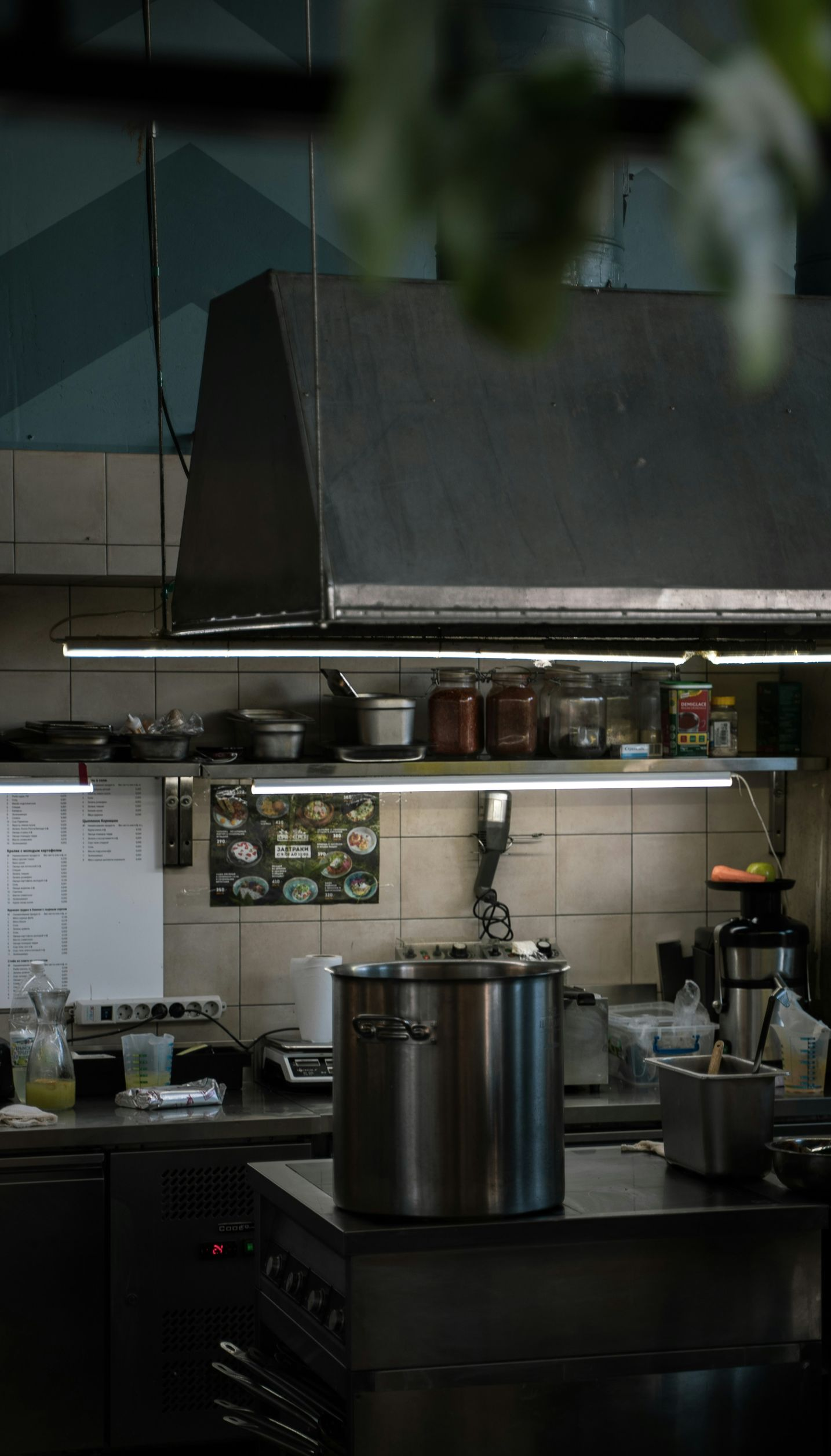
Commercial kitchen with stainless steel appliances and pots. Food prep area is dimly lit.
January 14, 2026
Avoid Redesigns and Delays Code compliance is one of the most critical factors in the success of a commercial kitchen project. Yet it is also one of the most common areas where projects encounter delays, redesigns, and unexpected costs. When compliance is treated as an afterthought rather than a foundation, restaurant owners and operators often find themselves correcting issues that could have been avoided with proper planning from the start. Why Early Compliance Planning Matters Commercial kitchens are subject to multiple layers of regulation. Health departments, fire marshals, building inspectors, and local municipalities all have requirements that influence how a kitchen must be designed and built. These regulations affect everything from ventilation and equipment placement to flooring materials and electrical systems. When compliance is addressed late in the process, changes can be expensive and disruptive. Walls may need to be opened, equipment relocated, or systems upgraded. Planning for compliance from day one reduces the risk of failed inspections and helps keep projects on schedule.
January 7, 2026
Avoid Making Costly Mistakes Renovating an existing commercial kitchen is a major decision that affects operations, staff efficiency, compliance, and long term profitability. Unlike building from scratch, renovation projects must account for existing conditions while keeping the business goals front and center. Understanding what to evaluate before starting helps restaurateurs avoid costly delays and design compromises. Start With Operational Reality Before design concepts are discussed, it is important to assess how the kitchen actually functions day to day. Many kitchens evolve organically over time, often resulting in inefficient workflows , cramped workstations, or underutilized areas. Renovation presents an opportunity to correct these issues, but only if the current challenges are clearly identified. Observing staff movement, ticket flow, and equipment usage provides valuable insight. Renovation should address real operational needs rather than cosmetic changes alone.
January 2, 2026
Designing Commercial Kitchens for Productivity, Not Just Appearance In commercial kitchens, efficiency is not a luxury. It is a requirement. Every step taken by staff, every piece of equipment placement, and every bottleneck in movement affects productivity, consistency, and profitability. At Coast 2 Coast Solutions, we believe workflow efficiency should be the foundation of every commercial kitchen design decision, not an afterthought addressed once problems arise.  Workflow Shapes Daily Operations A commercial kitchen operates under constant pressure. Orders move quickly, staff work in close proximity, and timing is critical. When workflow is poorly planned, even experienced teams struggle to keep pace. Excess movement, overlapping paths, and poorly placed equipment slow production and increase fatigue. Efficient workflow design minimizes unnecessary steps and reduces congestion . When prep, cooking, plating, and cleaning zones are clearly defined and logically connected, staff can focus on execution rather than navigation.
December 17, 2025
Expanding Restaurants Need a Coordinated Service Model Expanding a restaurant concept beyond a single location is an exciting milestone, but it also introduces operational challenges that can strain even well run businesses. Commercial kitchens require strict consistency, regulatory compliance, and uninterrupted functionality. As restaurateurs scale from one kitchen to many, the need for a coordinated, scalable service model becomes critical. At Coast 2 Coast Solutions Inc., we work with restaurant operators who recognize that growth must be supported by systems designed to expand alongside the business. The Complexity of Scaling Restaurant Operations Unlike many other industries, restaurants rely on highly specialized environments. Commercial kitchens include cooking equipment, refrigeration systems, ventilation, plumbing, and sanitation infrastructure that must function reliably every day. When a restaurant adds locations, it multiplies these operational demands . Managing facility services independently at each location often leads to inconsistencies. One kitchen may follow different maintenance standards than another. Response times can vary by region. Documentation may be fragmented. Over time, these inconsistencies can affect food safety, employee efficiency, and brand reputation.
December 9, 2025
Streamlining Success with Turnkey Commercial Kitchen Builds Building a commercial kitchen is a complex process that involves careful planning, precise installation, and coordination among multiple trades. Restaurant operators and foodservice providers often face significant challenges as they attempt to bring all these moving parts together on time and within budget. Turnkey commercial kitchen solutions address these challenges by providing a complete start to finish project process. At Coast 2 Coast Solutions Inc., we manage every phase of a kitchen build so our clients can focus on their operations while we ensure that the facility is constructed correctly, efficiently, and in compliance with all relevant codes. A Seamless Start With Professional Planning The success of a commercial kitchen project depends heavily on its earliest planning stages. A well designed kitchen layout improves workflow, supports food safety, and reduces long term operational costs. Our turnkey approach begins with a thorough evaluation of the client’s space, service model, and equipment needs. This early planning allows us to create a functional layout that supports both productivity and safety. We assess heat zones, refrigeration placement, cooking lines, prep areas, dish stations, and air movement. Each decision influences performance once the kitchen is operational. By handling these details upfront, we help prevent costly redesigns or delays that often occur when planning is incomplete or fragmented.