Balancing Aesthetics and Function in Open Kitchen Concepts
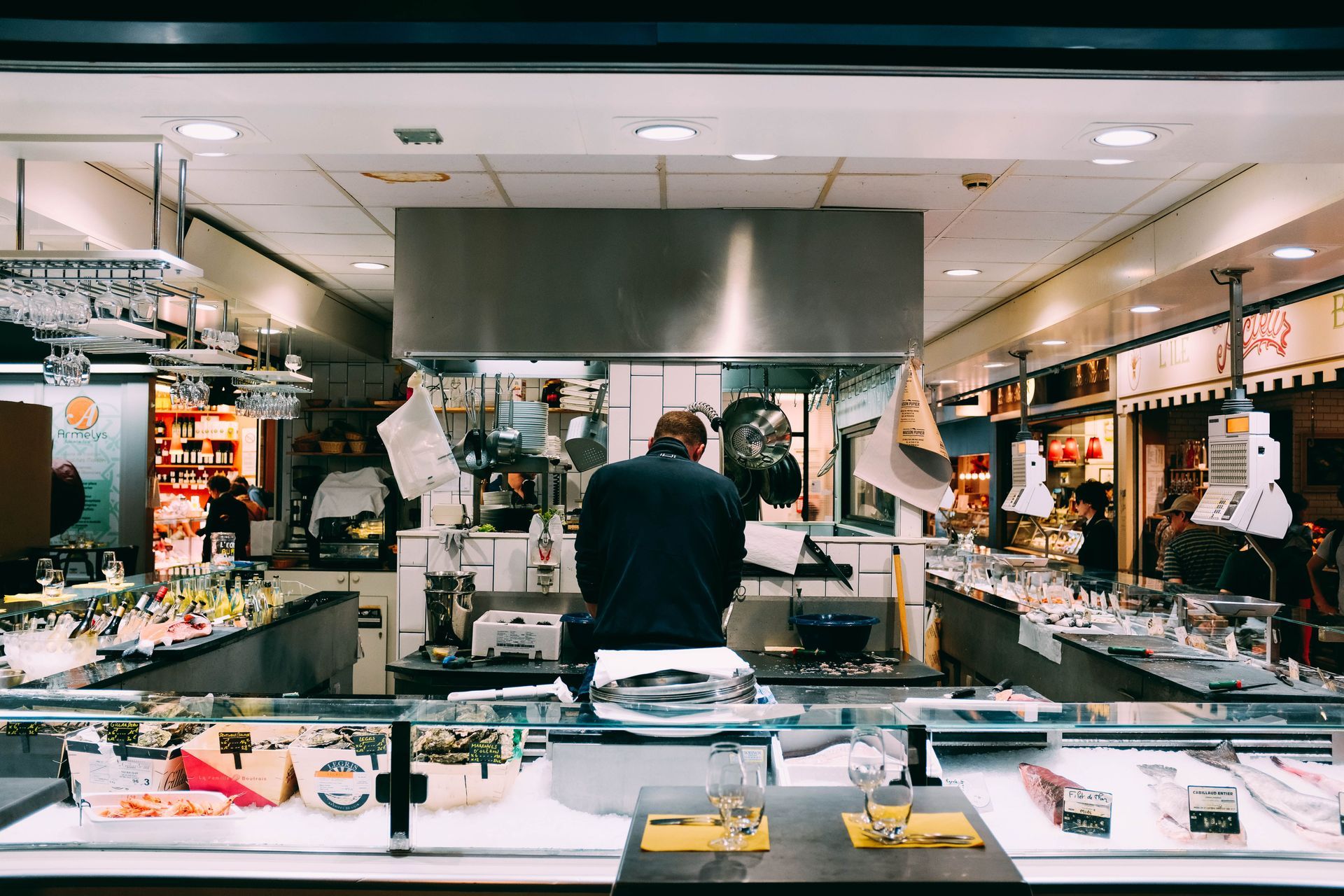
Open kitchen concepts have become increasingly popular in modern restaurants. Guests appreciate the transparency, energy, and sense of craftsmanship that comes from watching food prepared in real time. For operators, however, designing an open kitchen involves more than removing a wall. It requires careful planning to ensure that visual appeal does not compromise workflow, safety, or efficiency.
At Coast 2 Coast Solutions, we design turnkey commercial kitchens that support performance behind the scenes while presenting a polished, professional image to guests.
The Appeal of Open Kitchens
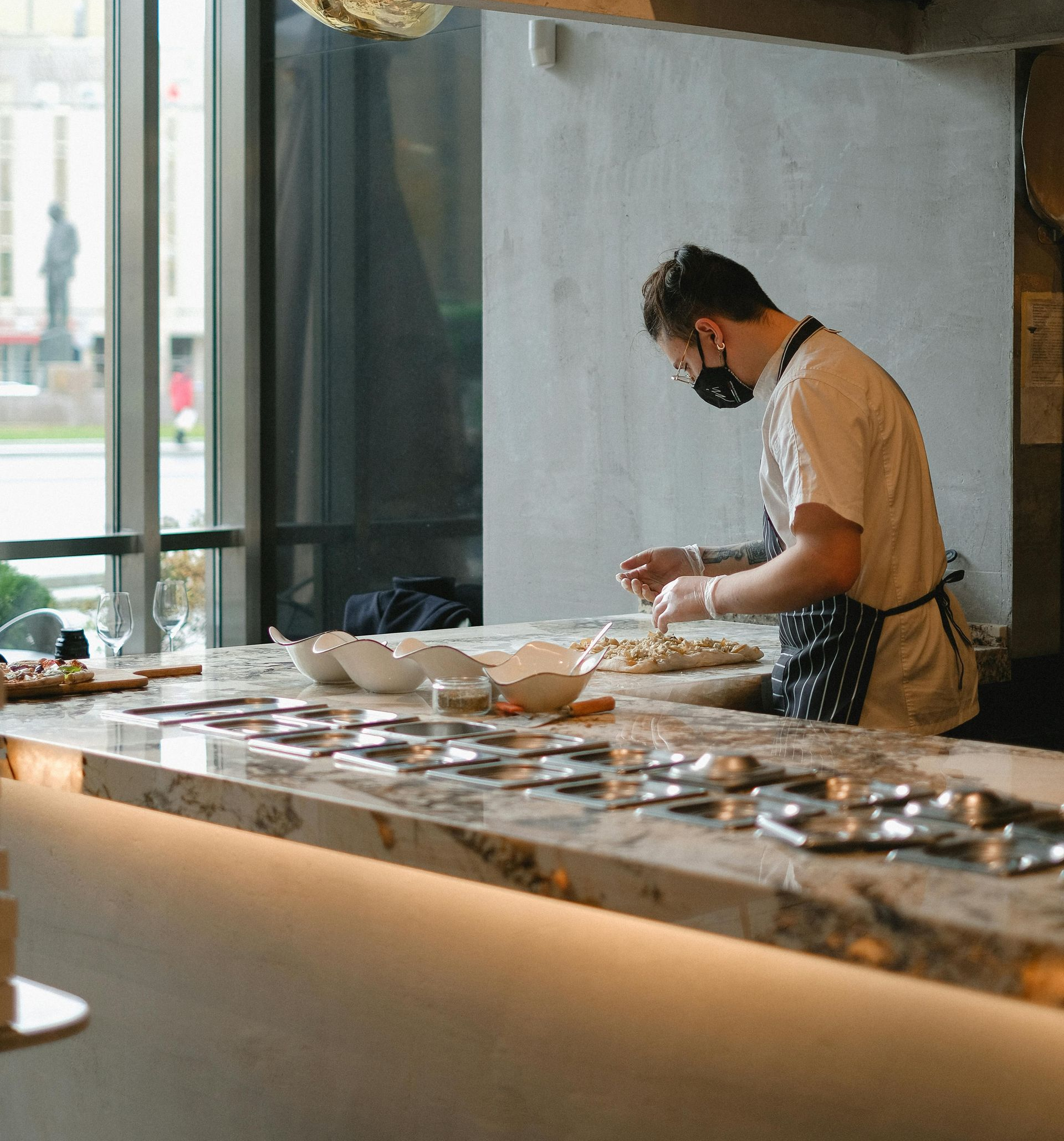
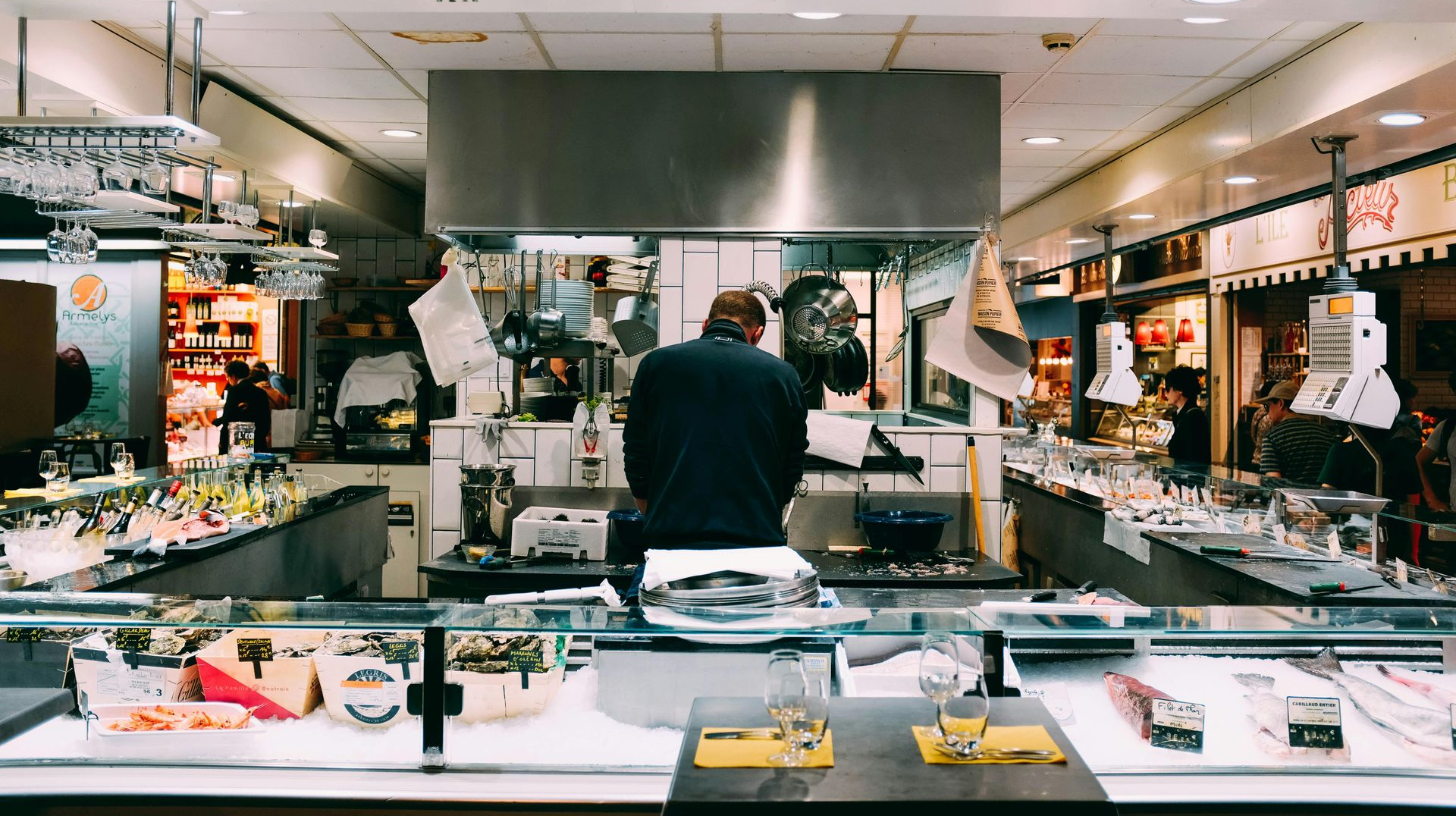
Open kitchens create an immersive dining experience. Customers can observe culinary techniques, plating precision, and teamwork. This transparency often builds trust and elevates perceived quality. The design can also reinforce a restaurant’s brand identity, whether it is modern industrial, upscale contemporary, or rustic and traditional.
However, visual appeal alone does not guarantee operational success. The kitchen must function seamlessly under pressure, especially during peak service periods.
Workflow Must Remain the Priority
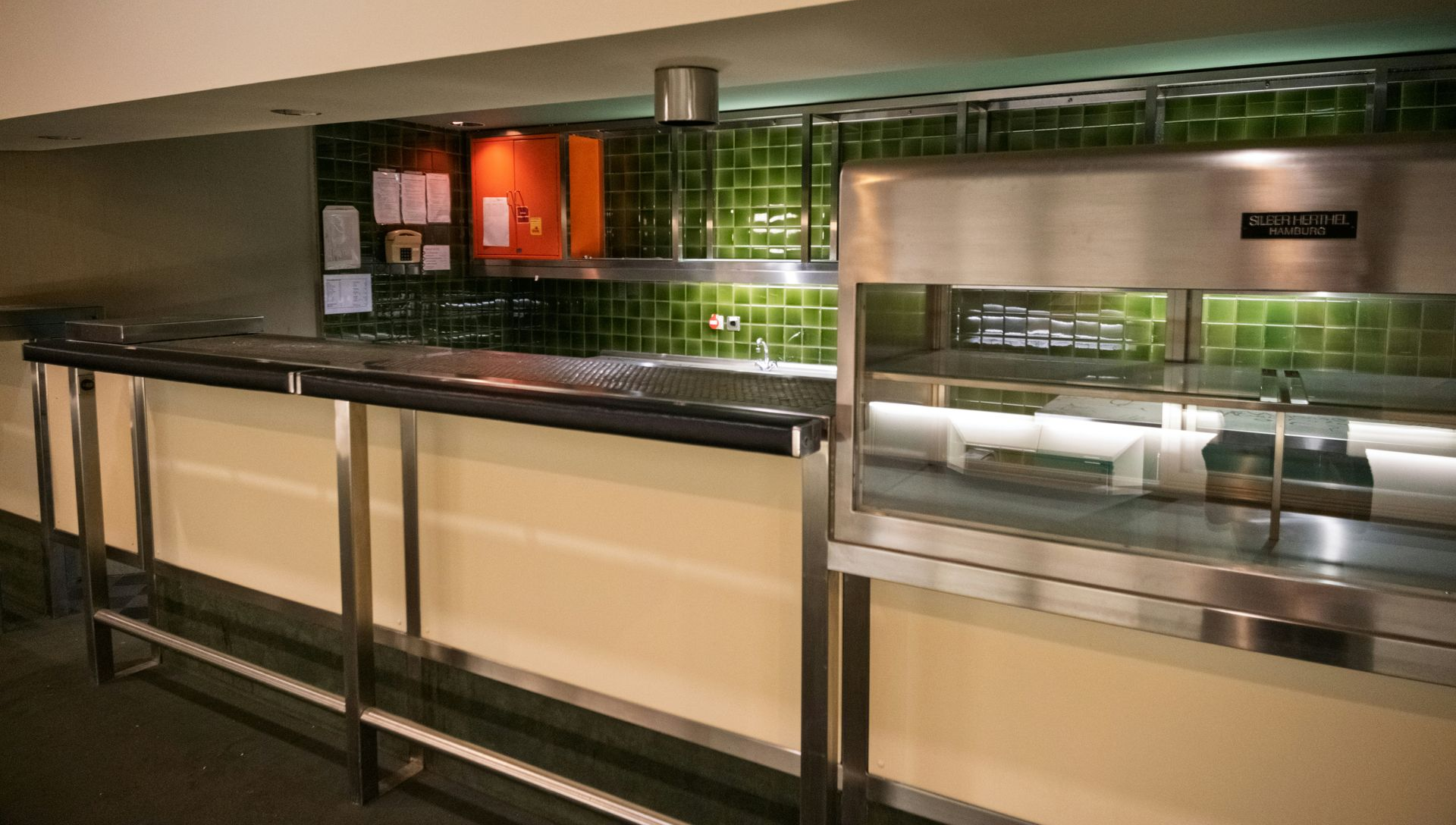
An open kitchen must still follow logical workflow principles. Prep areas, cooking stations, plating zones, and service counters should be arranged to minimize unnecessary movement. Staff should not cross paths frequently or compete for limited workspace.
When layout decisions prioritize aesthetics without considering workflow, inefficiencies quickly emerge. Congestion around cooking equipment, inadequate landing space for plated dishes, or poorly positioned refrigeration can slow ticket times and increase stress during service.
Designing with workflow in mind ensures that beauty does not interfere with productivity.
Noise and Equipment Considerations
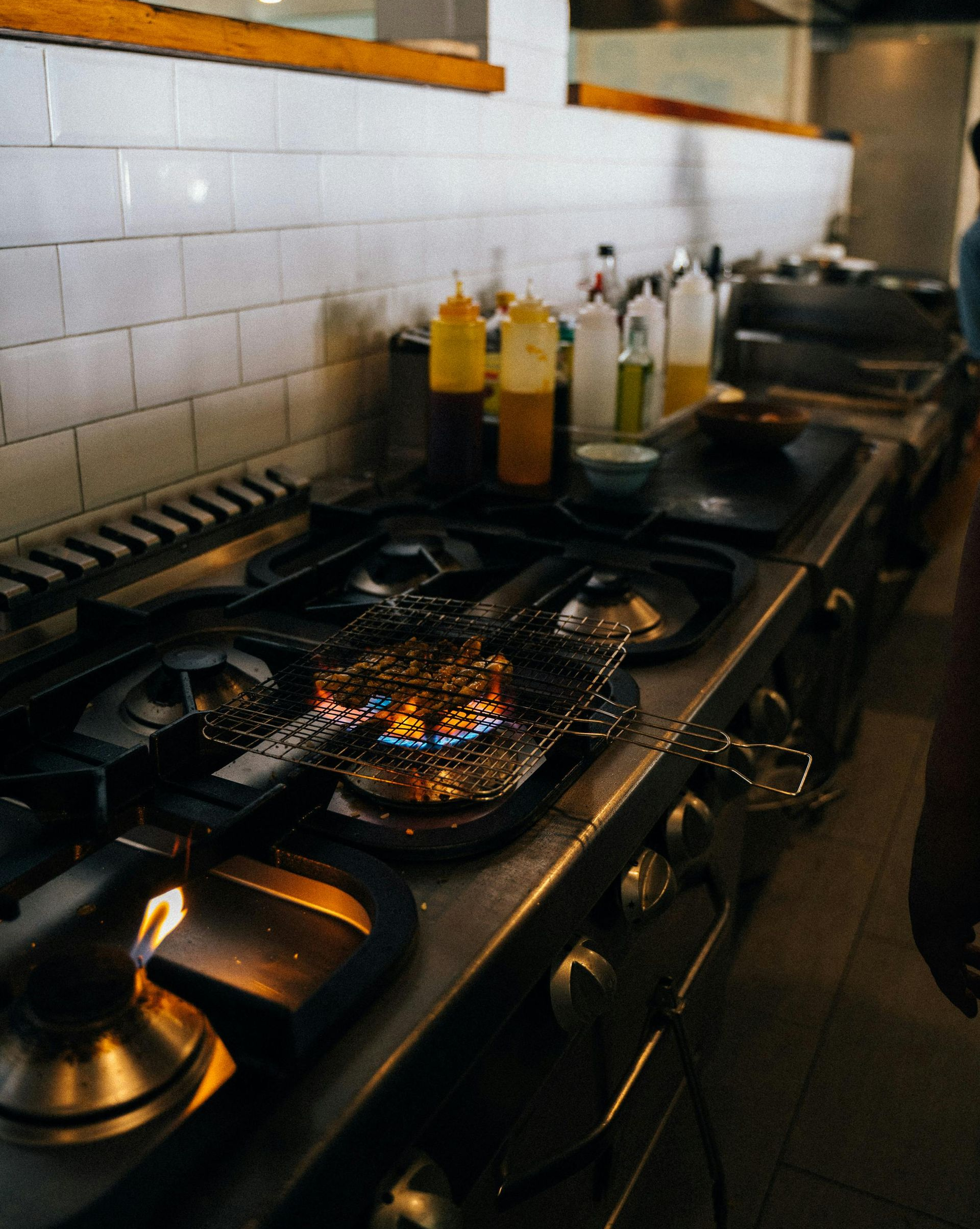
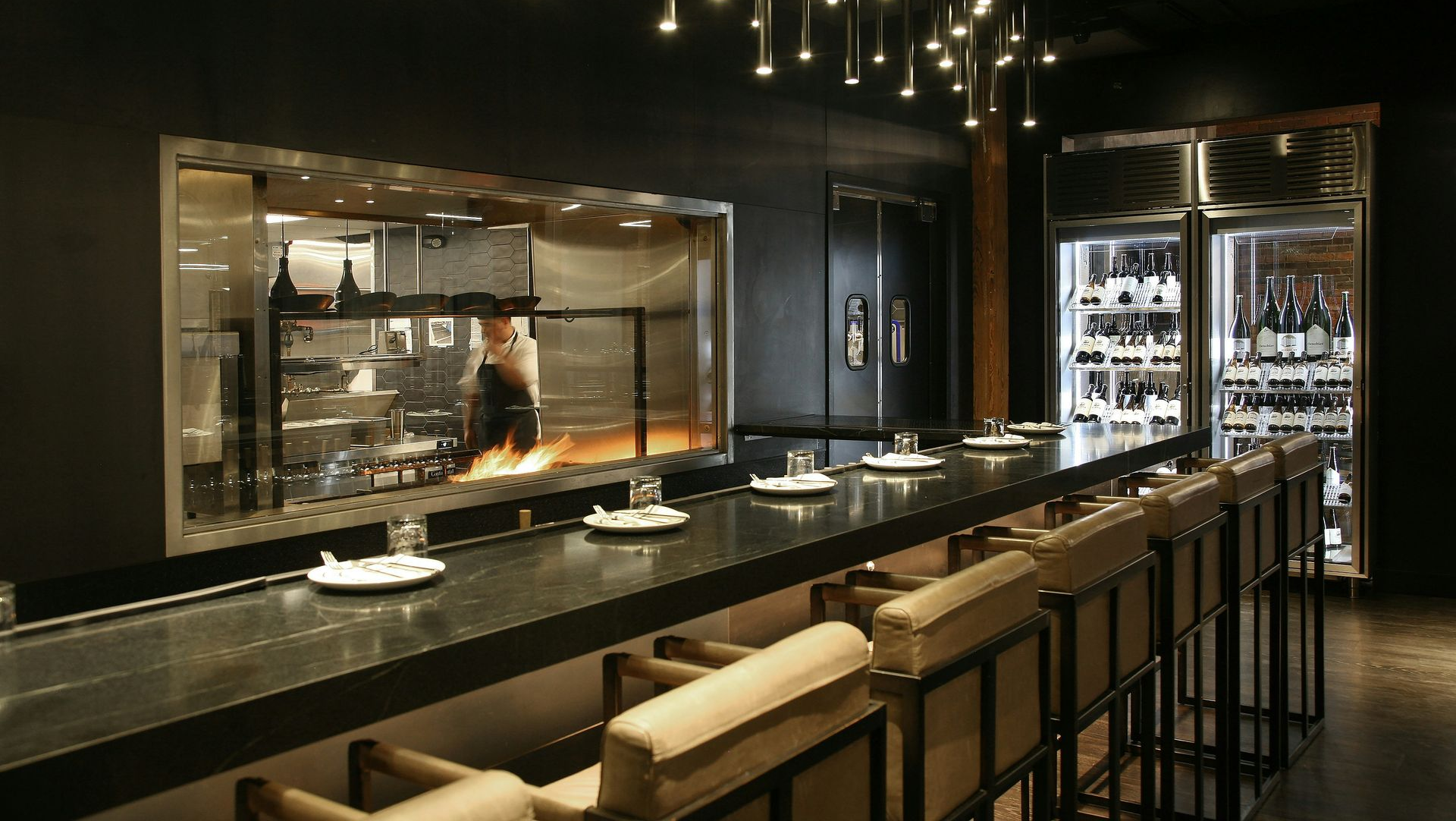
Open kitchens expose more than just culinary artistry. Equipment noise, ventilation sounds, and general kitchen activity become part of the dining environment. Careful selection and placement of equipment can reduce disruptive noise while maintaining performance.
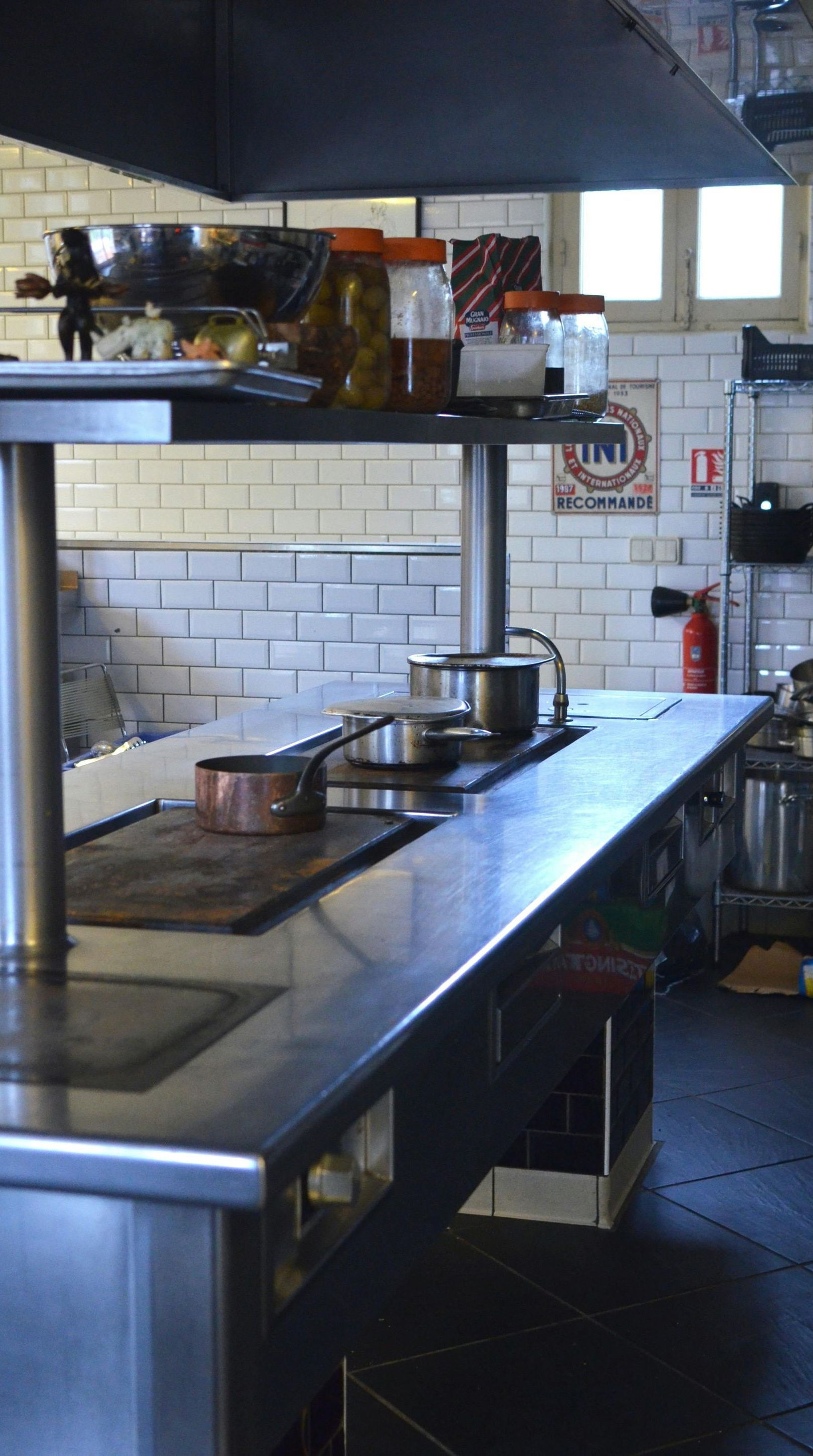
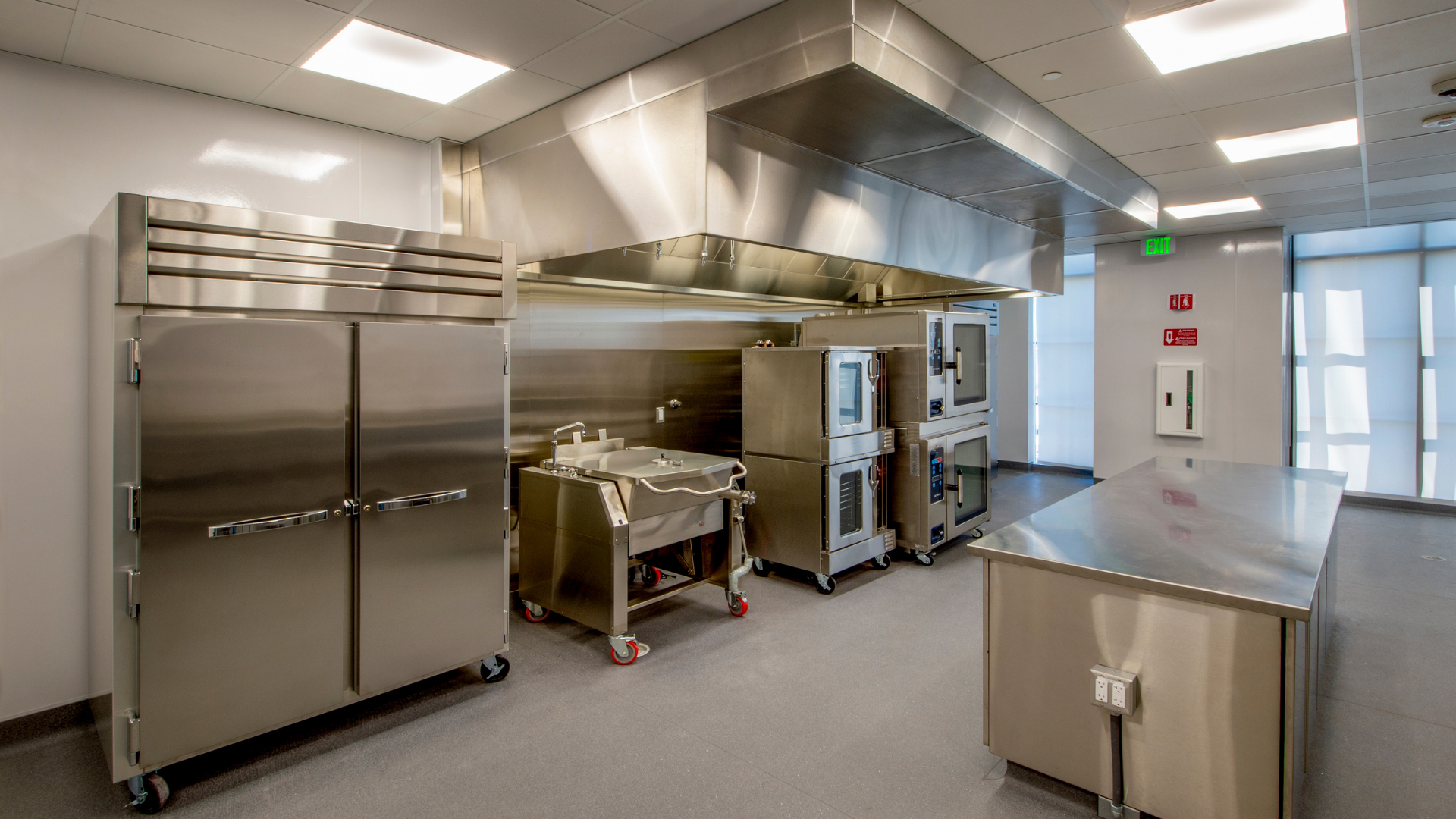
High-efficiency ventilation systems must be integrated thoughtfully. Proper hood placement and airflow management protect indoor air quality without detracting from the guest experience. Stainless steel finishes, custom paneling, and concealed mechanical elements can enhance appearance while maintaining compliance with safety codes.
Cleanliness Becomes Highly Visible
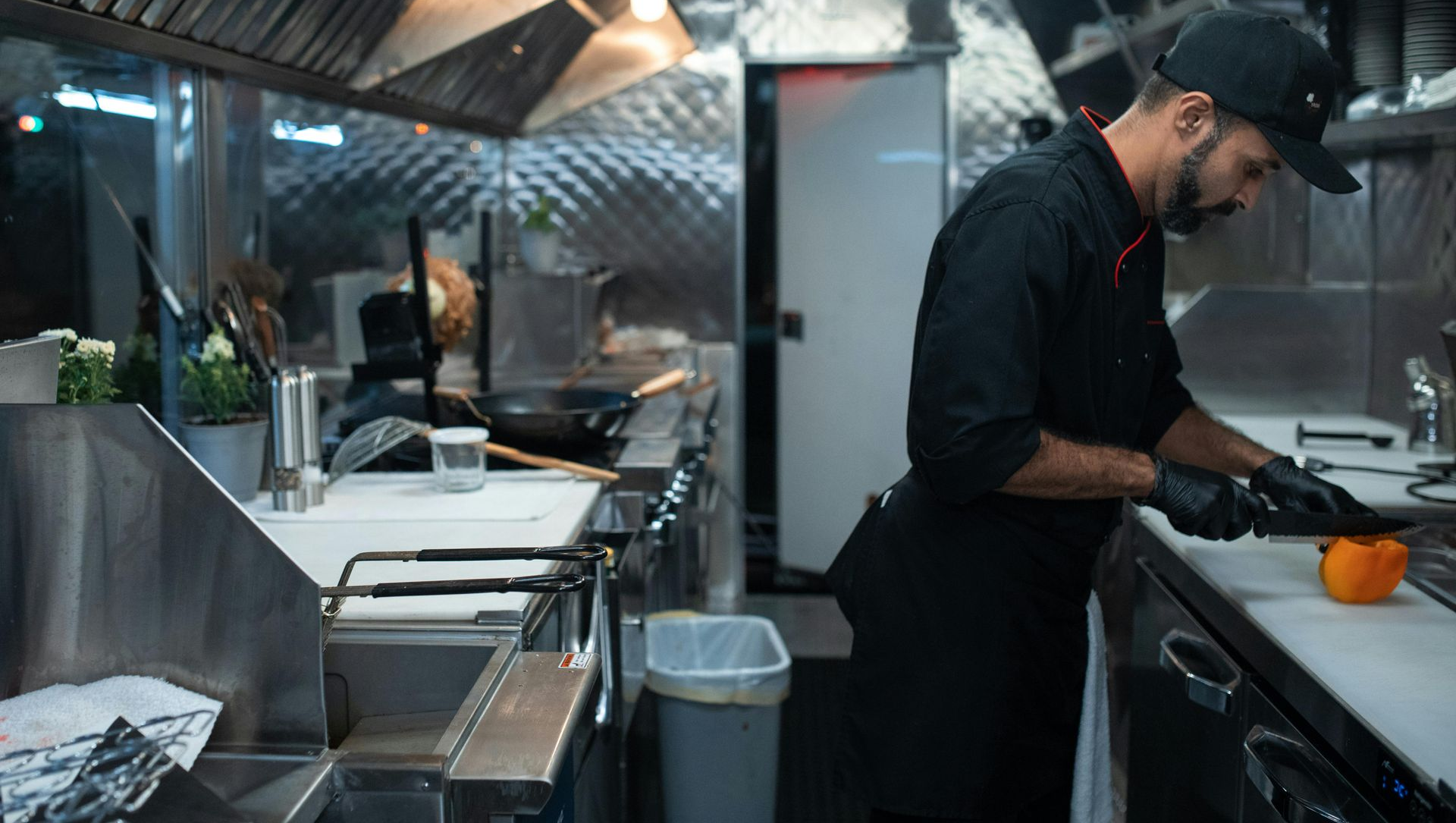
In an open kitchen, cleanliness is on display at all times. Surfaces, floors, and equipment must be easy to maintain and resistant to visible wear. Design decisions should prioritize materials that withstand heavy use while retaining a clean appearance.
Strategic storage solutions are essential. Shelving, refrigeration, and ingredient bins should be positioned for easy access but organized to prevent clutter. An open kitchen should communicate professionalism, not chaos.
Lighting and Presentation
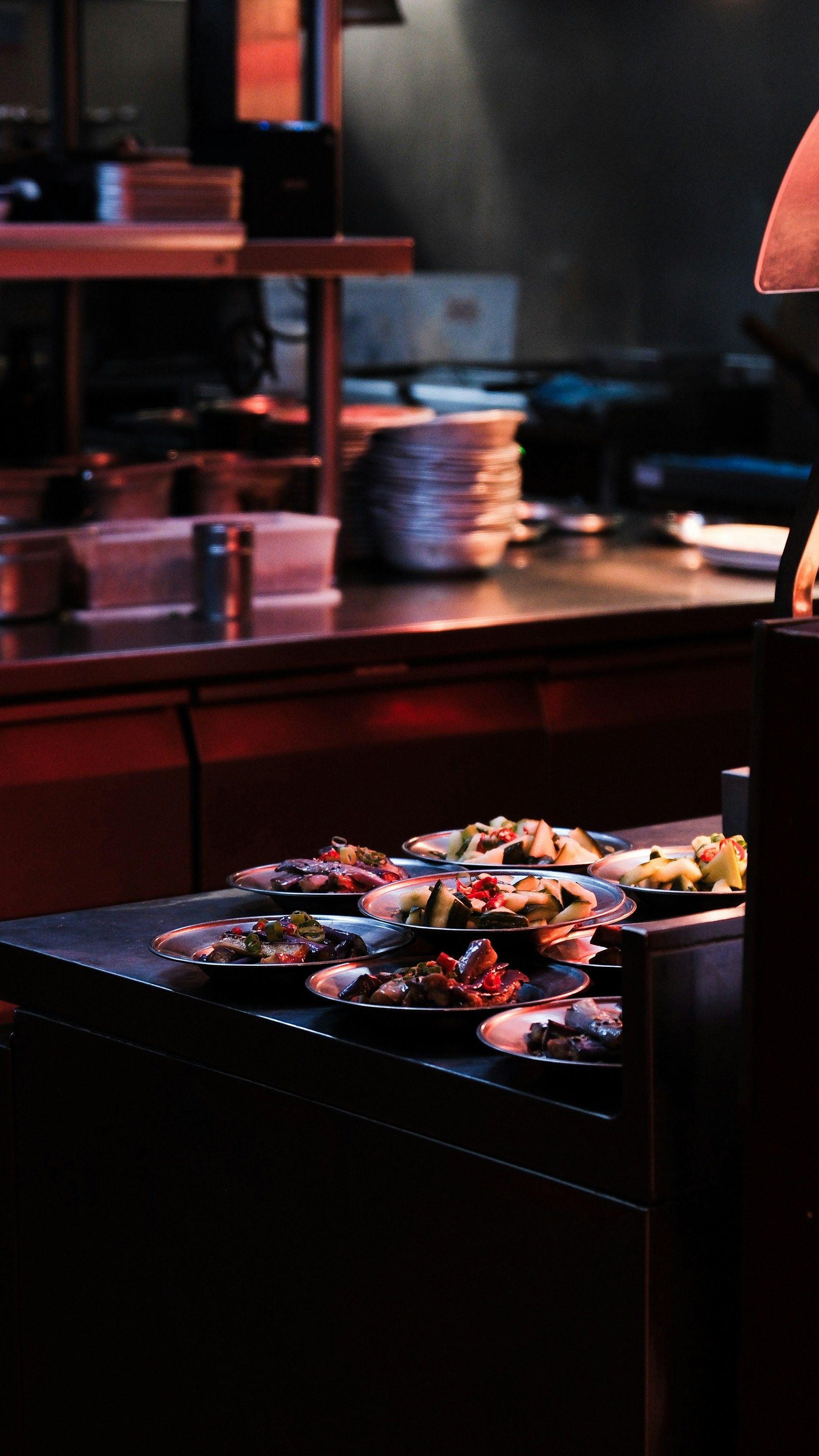
Lighting plays a significant role in how an open kitchen is perceived. Proper illumination enhances food presentation and ensures staff can work safely. However, lighting should also complement the dining atmosphere.
Layered lighting strategies allow for both task-focused brightness in work zones and ambient warmth for guests. Careful coordination between designers and operators ensures that both needs are met.
Safety and Code Compliance
Despite its visibility, an open kitchen must adhere to all commercial safety standards. Fire suppression systems, clearances around cooking equipment, and accessible handwashing stations are not optional. Integrating these requirements seamlessly into the design preserves compliance without disrupting the aesthetic vision.
Professional planning ensures that code requirements are incorporated early rather than added later as visible afterthoughts.
Designing for Long-Term Success
An open kitchen should not only impress on opening day but also perform efficiently for years to come. Future menu adjustments, equipment upgrades, and staff growth should be anticipated in the design phase.
At Coast 2 Coast Solutions, we approach open kitchen concepts with a balance of creativity and operational discipline. Our turnkey design process ensures that layout, equipment placement, ventilation, and infrastructure support both guest experience and back-of-house efficiency.
An open kitchen is more than a design trend. When planned correctly, it becomes a strategic advantage that enhances brand identity while maintaining the productivity required for long-term success.