Why Ventilation Planning Is Critical in Modern Commercial Kitchens
The Foundation of Safe and Compliant Commercial Kitchen Design
Ventilation is one of the most important and often underestimated elements of commercial kitchen design. While equipment selection and workflow planning receive considerable attention, proper ventilation determines whether a kitchen operates safely, efficiently, and in compliance with local codes. At Coast 2 Coast Solutions Inc., ventilation planning is not an afterthought. It is a foundational component of every turnkey commercial kitchen design.
Commercial kitchens generate significant heat, smoke, grease vapor, and moisture. Without an appropriately engineered
ventilation system, these byproducts accumulate quickly. The result can be uncomfortable working conditions, elevated fire risk, premature equipment wear, and regulatory issues. Thoughtful ventilation planning addresses all of these concerns before construction begins.

Managing Heat and Air Quality
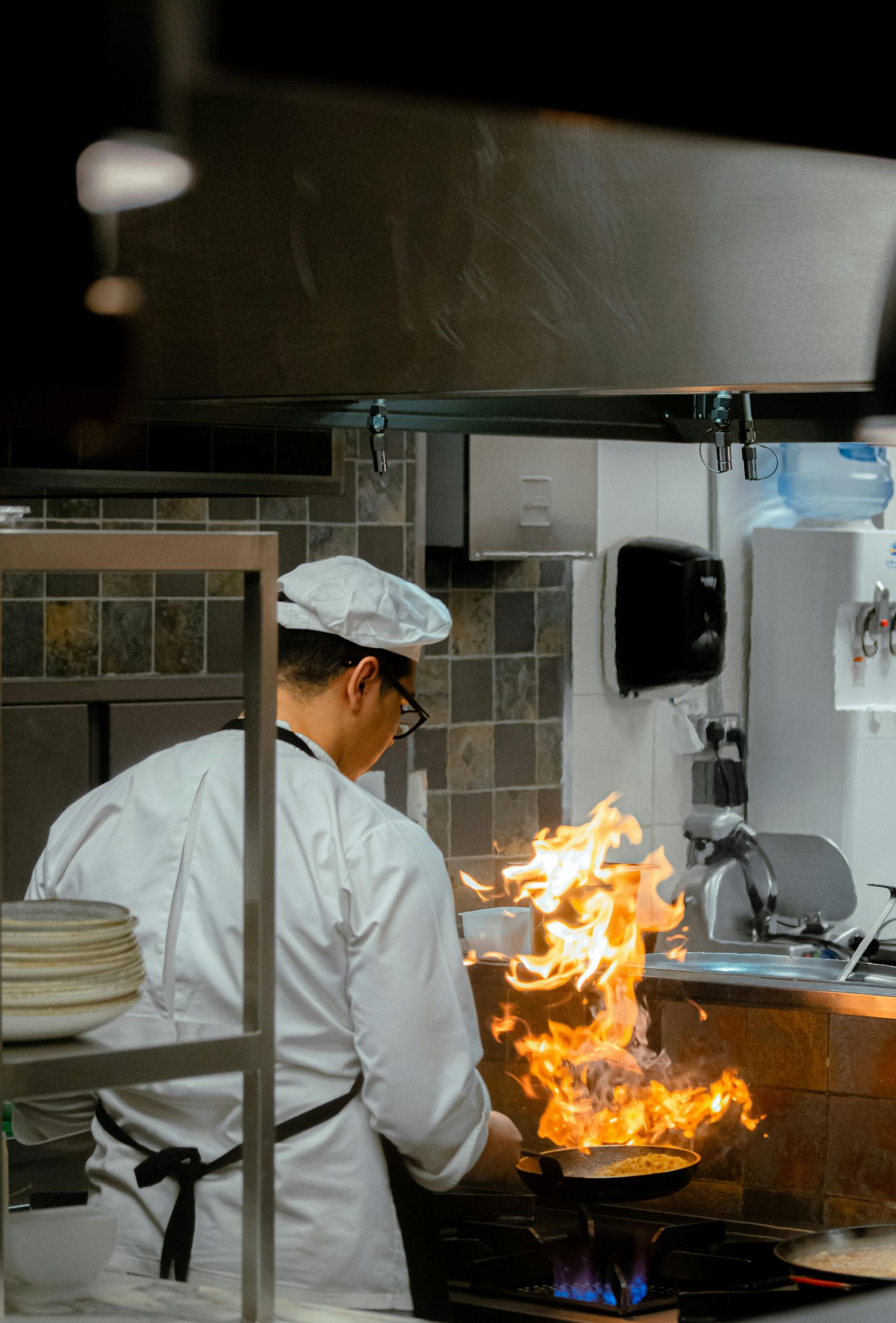
Cooking equipment such as fryers, charbroilers, ranges, and ovens produces intense heat. In high-volume kitchens, this heat builds rapidly. Proper hood systems and exhaust fans remove excess heat from the cooking area, helping maintain a manageable indoor environment for staff.
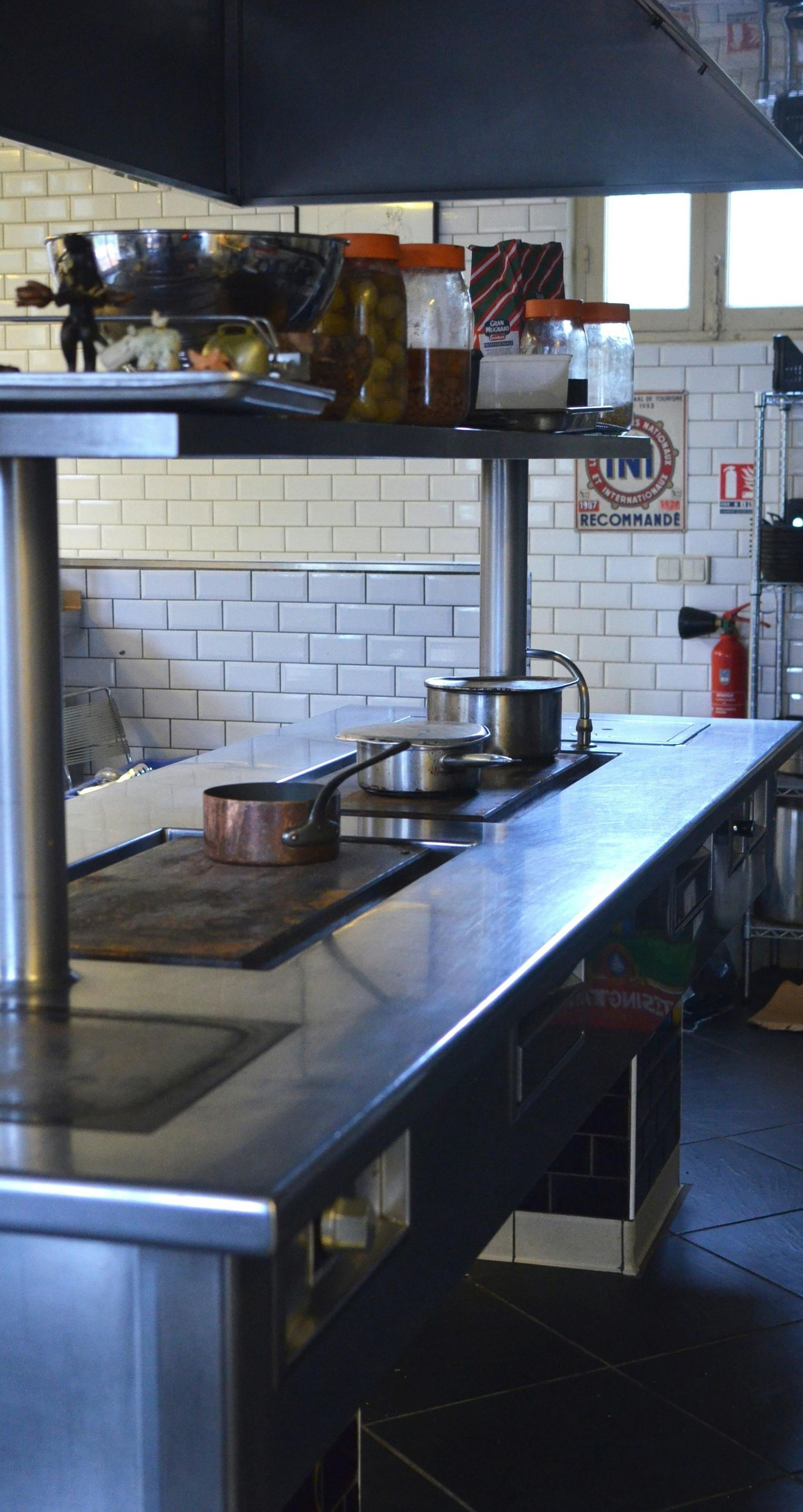
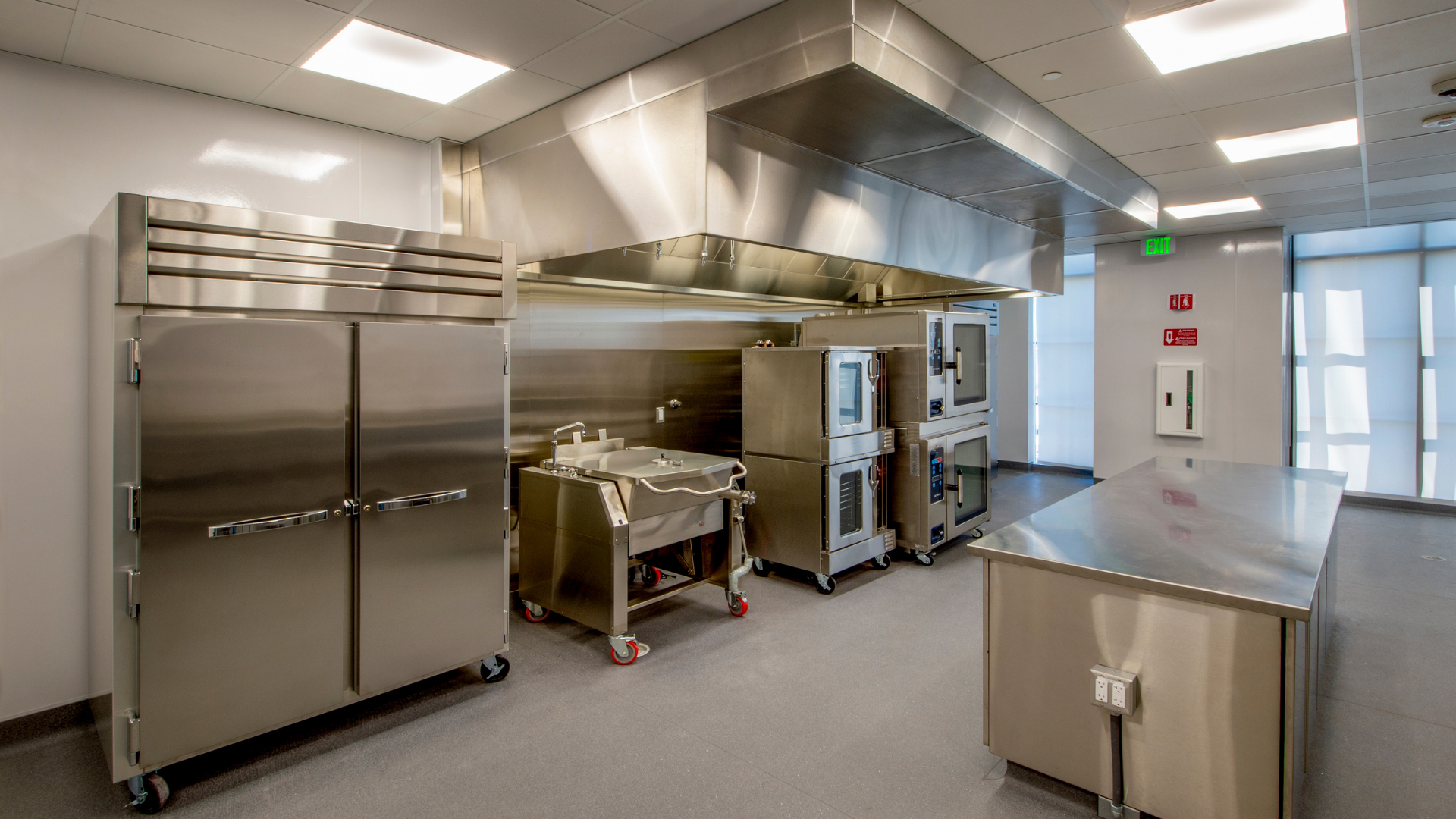
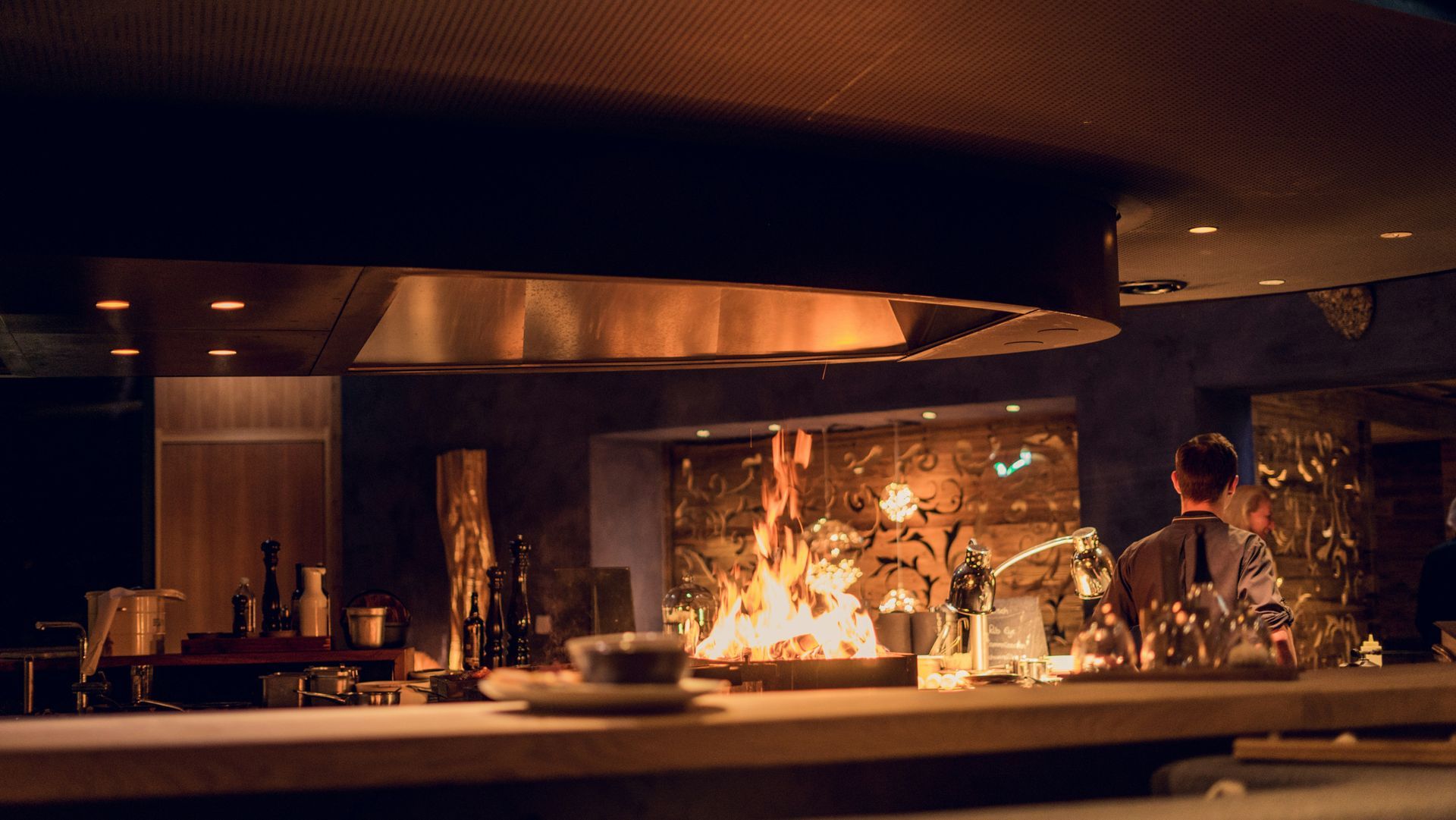
Air quality is equally important. Grease-laden vapors and smoke must be captured at the source. A well-designed hood system channels these contaminants through ductwork to the exterior while minimizing the spread of particulates throughout the kitchen. This process protects staff health and reduces buildup on walls, ceilings, and equipment.
Ventilation systems must also account for make-up air. When exhaust systems remove large volumes of air, replacement air must enter the space in a balanced manner. Without proper make-up air integration, kitchens can experience negative pressure, causing doors to stick, drafts to form, or cooking equipment to operate inefficiently.

Fire Safety Considerations
Grease accumulation in ductwork presents a serious fire hazard if not properly managed. Commercial kitchen ventilation systems are designed to contain and exhaust grease vapors safely. Proper hood sizing, fire suppression integration, and accessible duct routing are critical.
Ventilation planning must align with fire suppression systems installed within hood assemblies. These systems are engineered to respond automatically in the event of a flare-up. Designing ventilation and fire suppression together ensures compatibility and code compliance.
Code Compliance and Inspections
Local building codes and health department regulations place strict requirements on commercial kitchen ventilation. Hood classifications, clearance requirements, duct construction standards, and exhaust termination points must all meet applicable codes.
Planning ventilation at the design stage prevents costly modifications during inspection. A turnkey approach ensures that all mechanical systems are integrated properly before equipment installation begins. Coordination among designers, engineers, and contractors streamlines approvals and reduces delays.
Supporting Equipment Performance
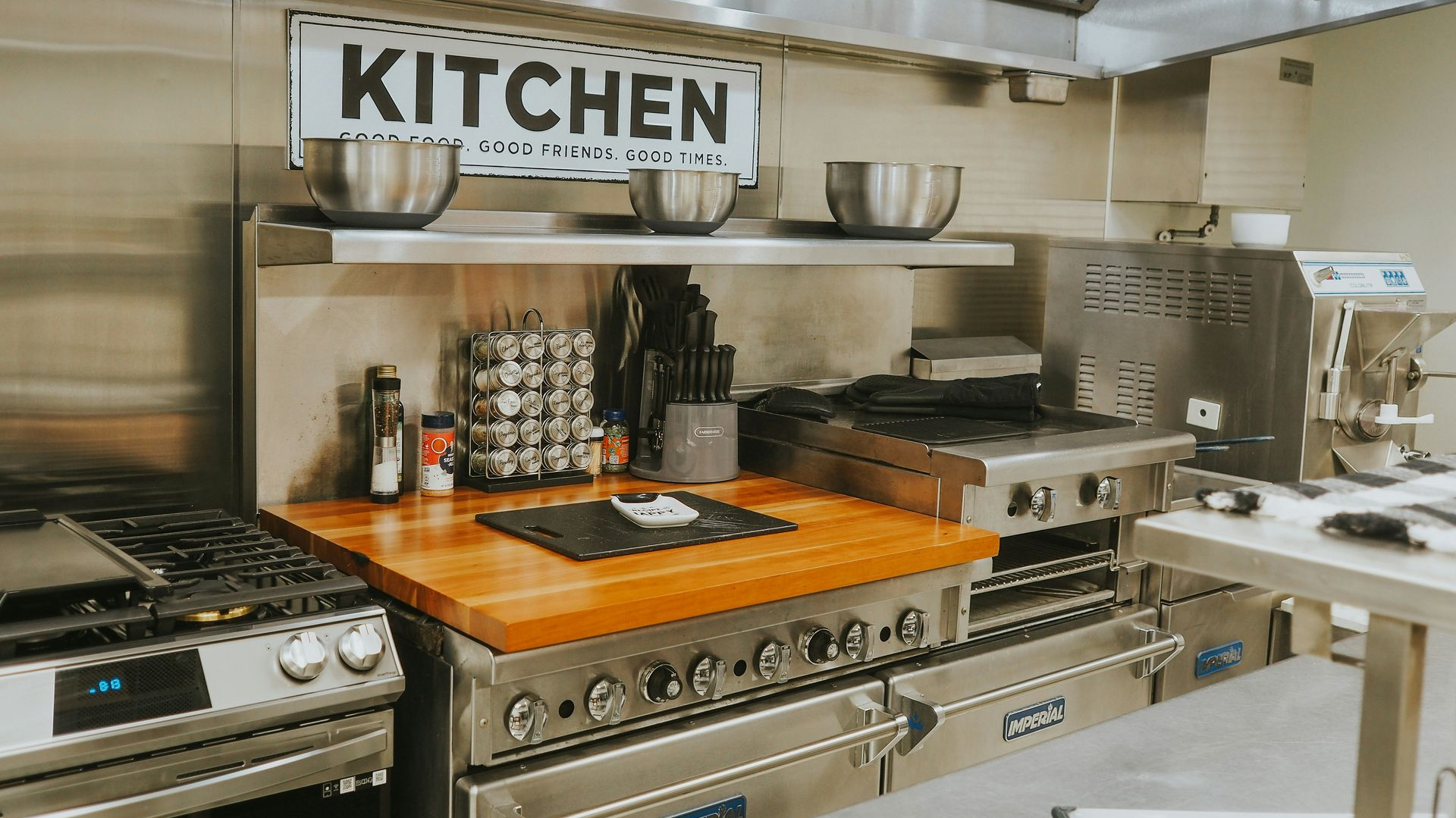
Ventilation affects more than air quality and safety. It directly influences equipment performance. Excessive heat can shorten the lifespan of refrigeration units and cooking appliances. Proper airflow stabilizes ambient temperatures, improving efficiency and reducing strain on components.
In addition, well-designed ventilation minimizes condensation and moisture buildup. This helps preserve structural materials and reduces the risk of mold or corrosion in surrounding areas.
Designing for Scalability
Restaurants and commercial food operations often evolve. Menu expansions, new cooking techniques, or higher service volumes can increase ventilation demands. Designing systems with scalability in mind allows businesses to adapt without requiring a complete overhaul.
At Coast 2 Coast Solutions Inc., ventilation planning includes evaluating current needs and anticipating future growth. Oversizing systems appropriately and designing flexible duct routes can support long-term operational success.
A Foundation for Operational Success
Ventilation is not simply a mechanical requirement. It is a strategic component of kitchen performance, staff comfort, and regulatory compliance. Without proper airflow management, even the most carefully designed kitchen can struggle.
By integrating ventilation planning into the early stages of commercial kitchen design, Coast 2 Coast Solutions Inc. ensures that each project supports safe operation, efficient workflow, and long-term durability. Thoughtful engineering today prevents costly complications tomorrow, allowing restaurateurs and food service operators to focus on what matters most, delivering quality service in a well-functioning kitchen environment.