Custom Solutions for Specialty Cuisine Concepts
Kitchens Built for Operational Success
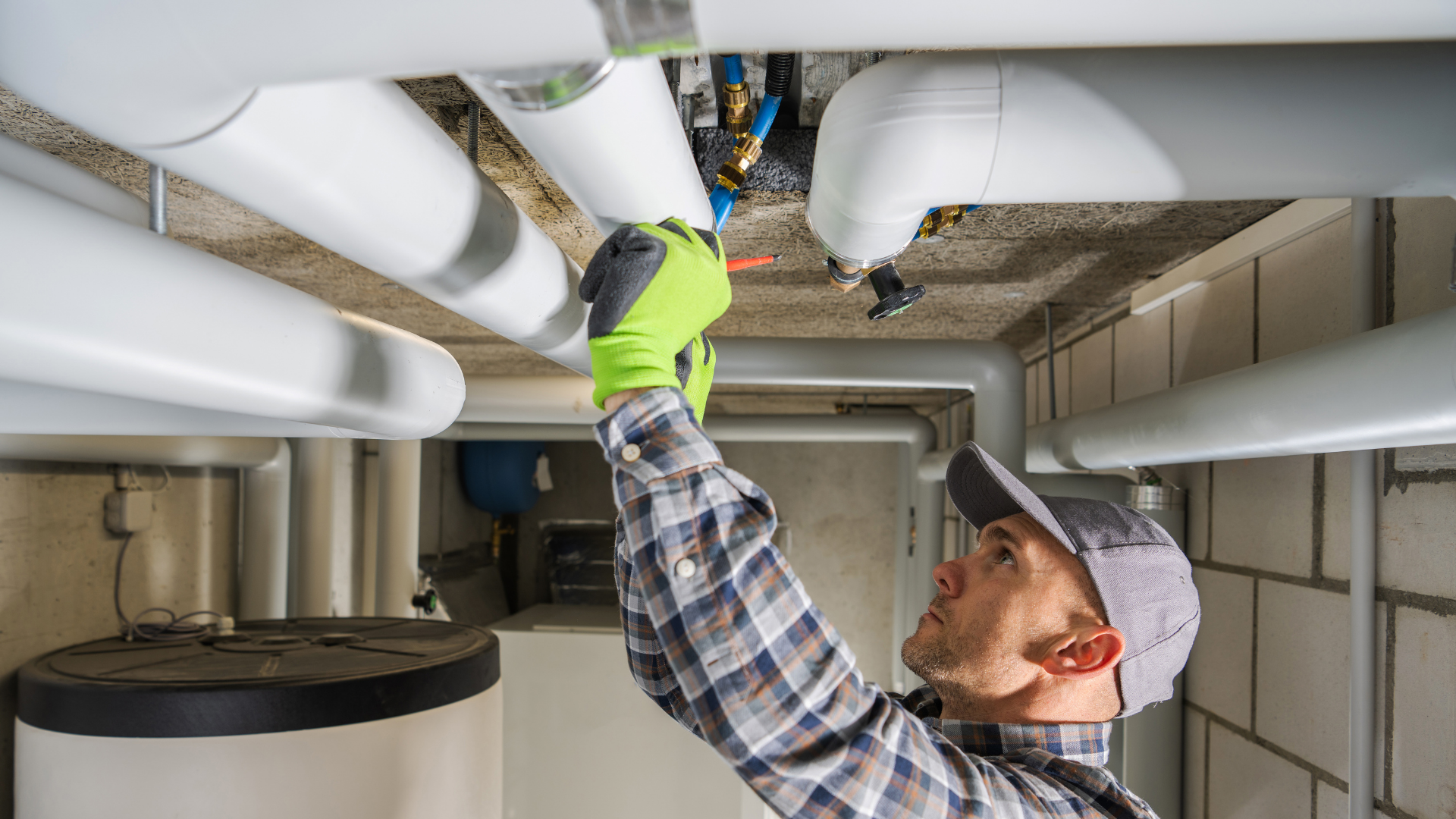
No two restaurants operate the same way. A fast-casual burger concept has very different operational demands than a fine dining establishment. A high-volume seafood kitchen requires different infrastructure than a neighborhood bakery. That is why commercial kitchen design cannot be approached with a one-size-fits-all mindset. Specialty cuisine concepts demand custom solutions that align with menu, workflow, safety standards, and long-term growth plans.
At Coast 2 Coast Solutions,
turnkey commercial kitchen design begins with understanding the concept. Before equipment is selected or layouts are drawn, the operational vision must be clear. What type of cuisine is being prepared? What volume is expected? What are the peak service times? These answers guide the entire design process.
Designing for Bakeries and Pastry Operations
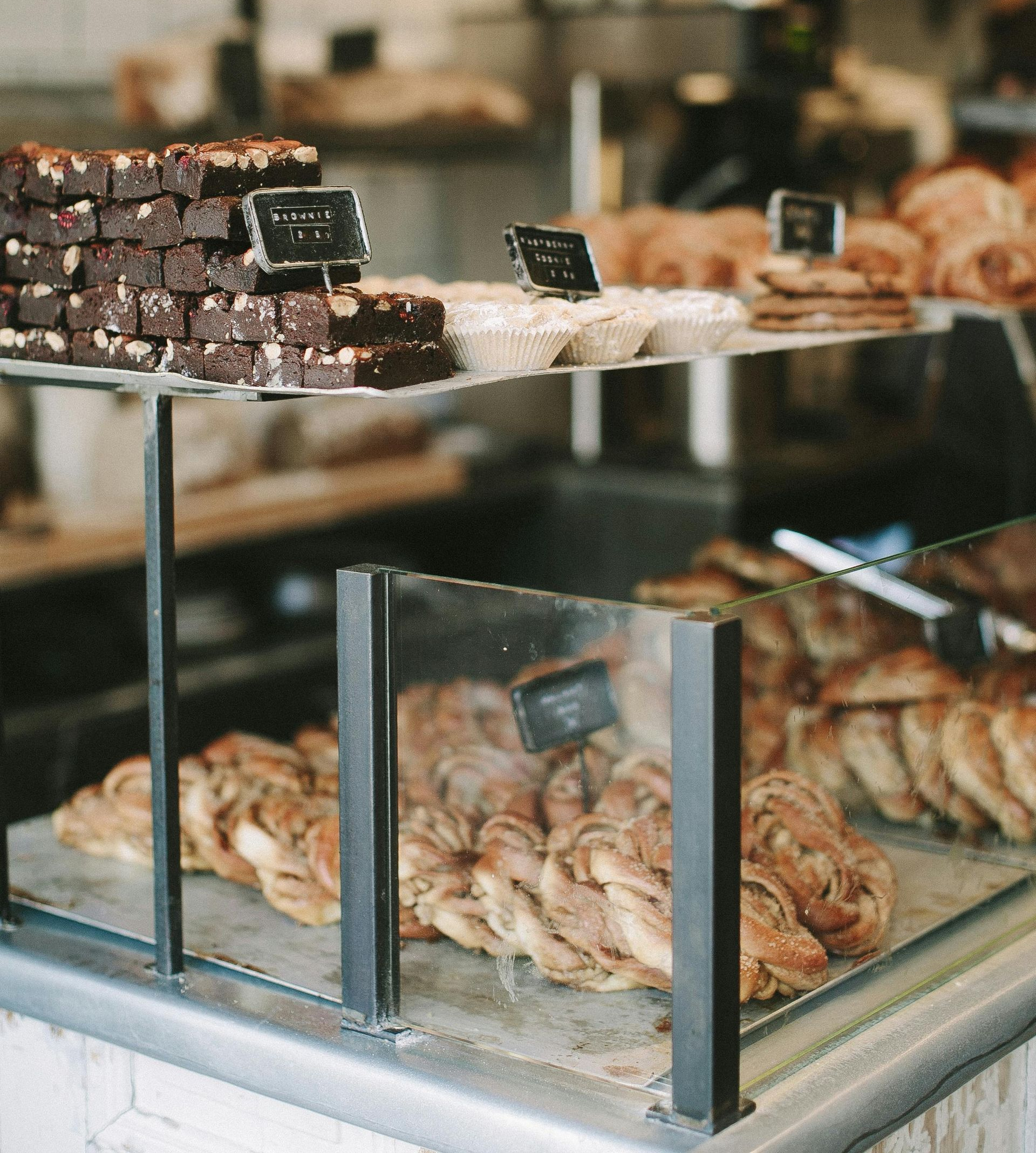
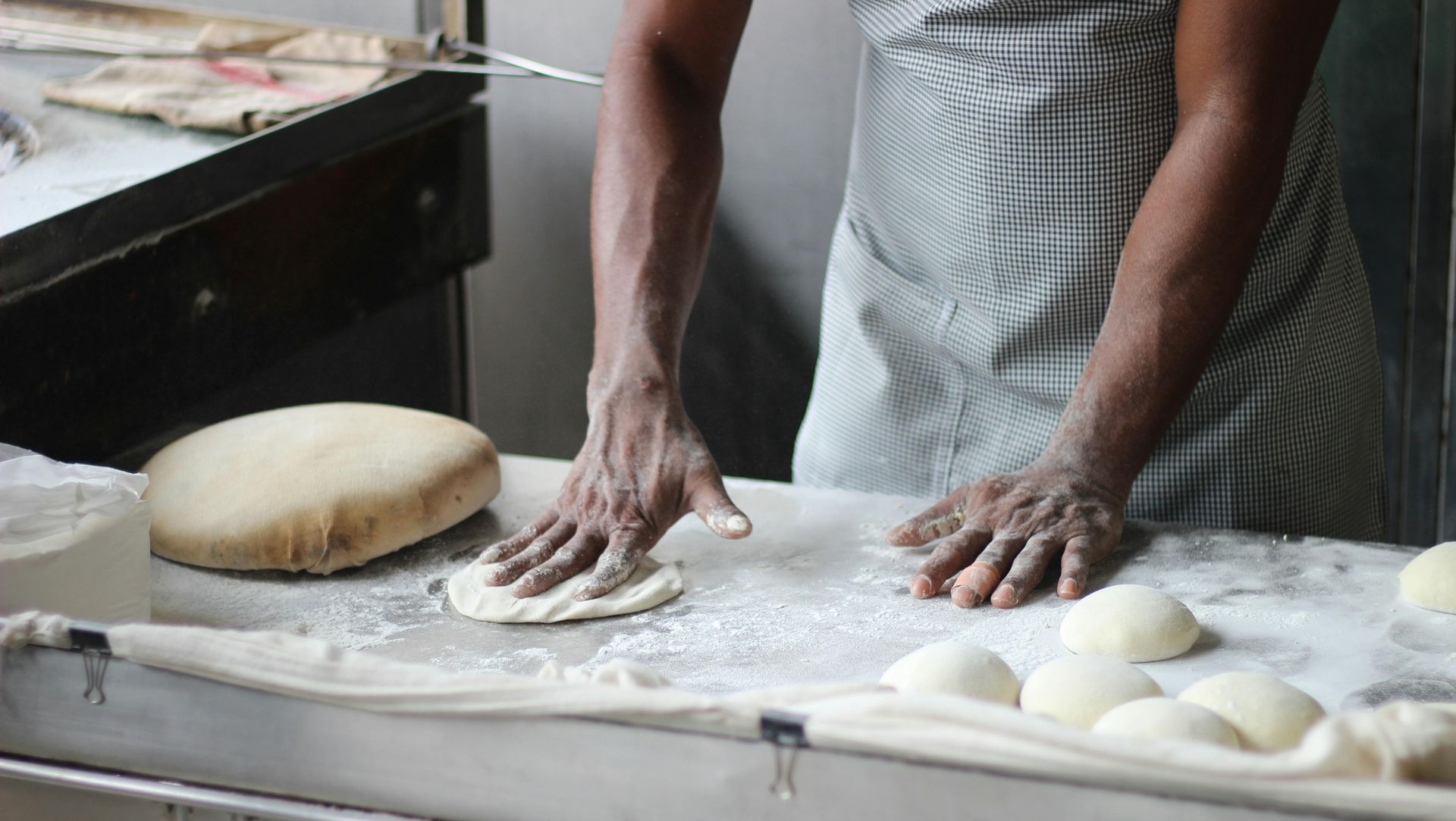
Bakeries present unique challenges that differ significantly from traditional restaurant kitchens. Precision, temperature control, and workflow segmentation are critical. Dough preparation, proofing, baking, cooling, and decorating all require designated zones.
A bakery layout often includes:
- Dedicated prep tables for dough and pastry assembly
- Climate-conscious proofing areas
- High-capacity ovens with proper ventilation
- Cooling racks positioned for efficient turnover
- Ample dry storage for flour and specialty ingredients
Electrical and ventilation planning must account for multiple ovens operating simultaneously. Flooring and workspace materials must support heavy mixing equipment while maintaining food safety standards. When designed correctly, a bakery kitchen supports consistency, reduces bottlenecks, and protects product quality.
Custom Layouts for Seafood Concepts
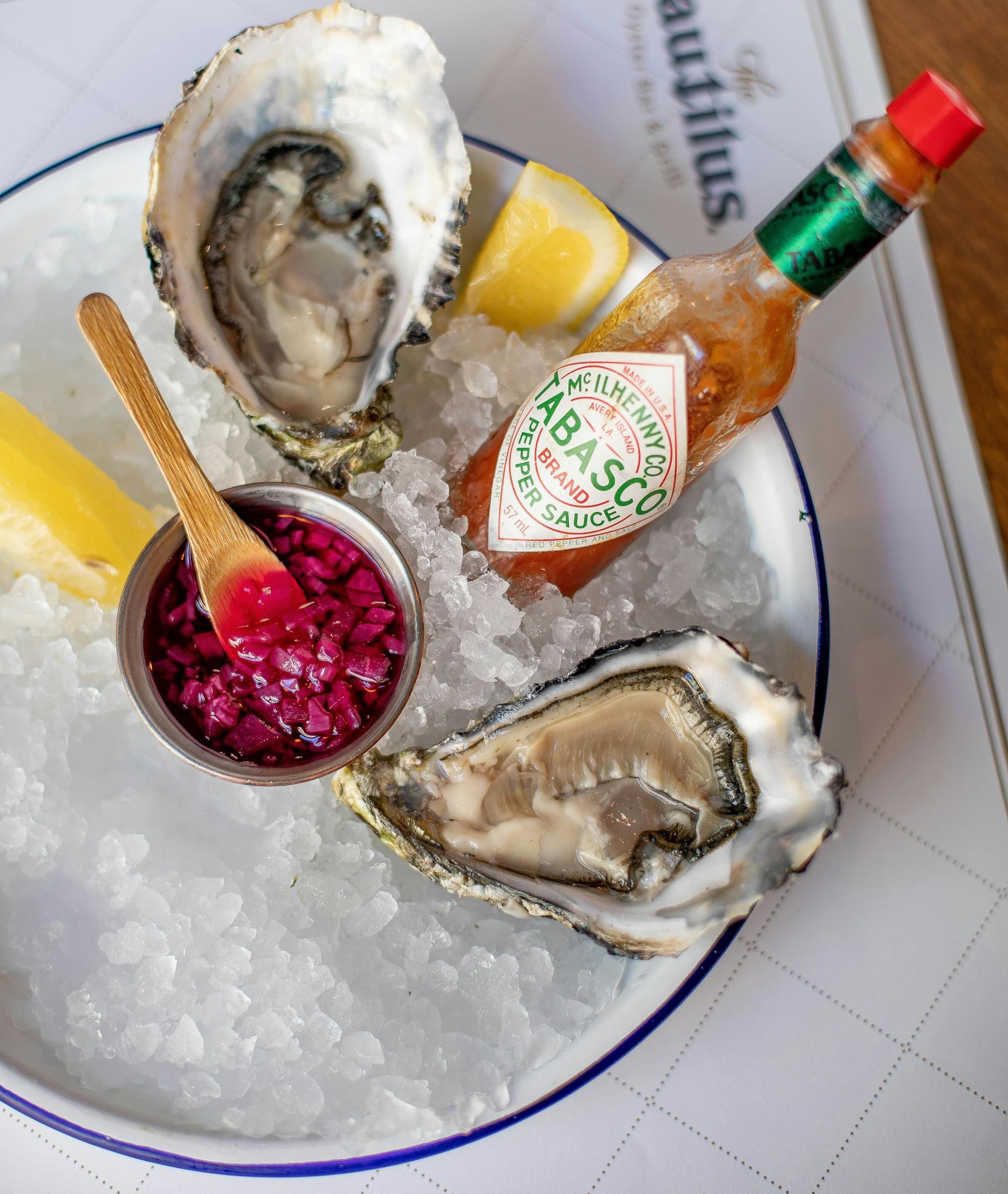
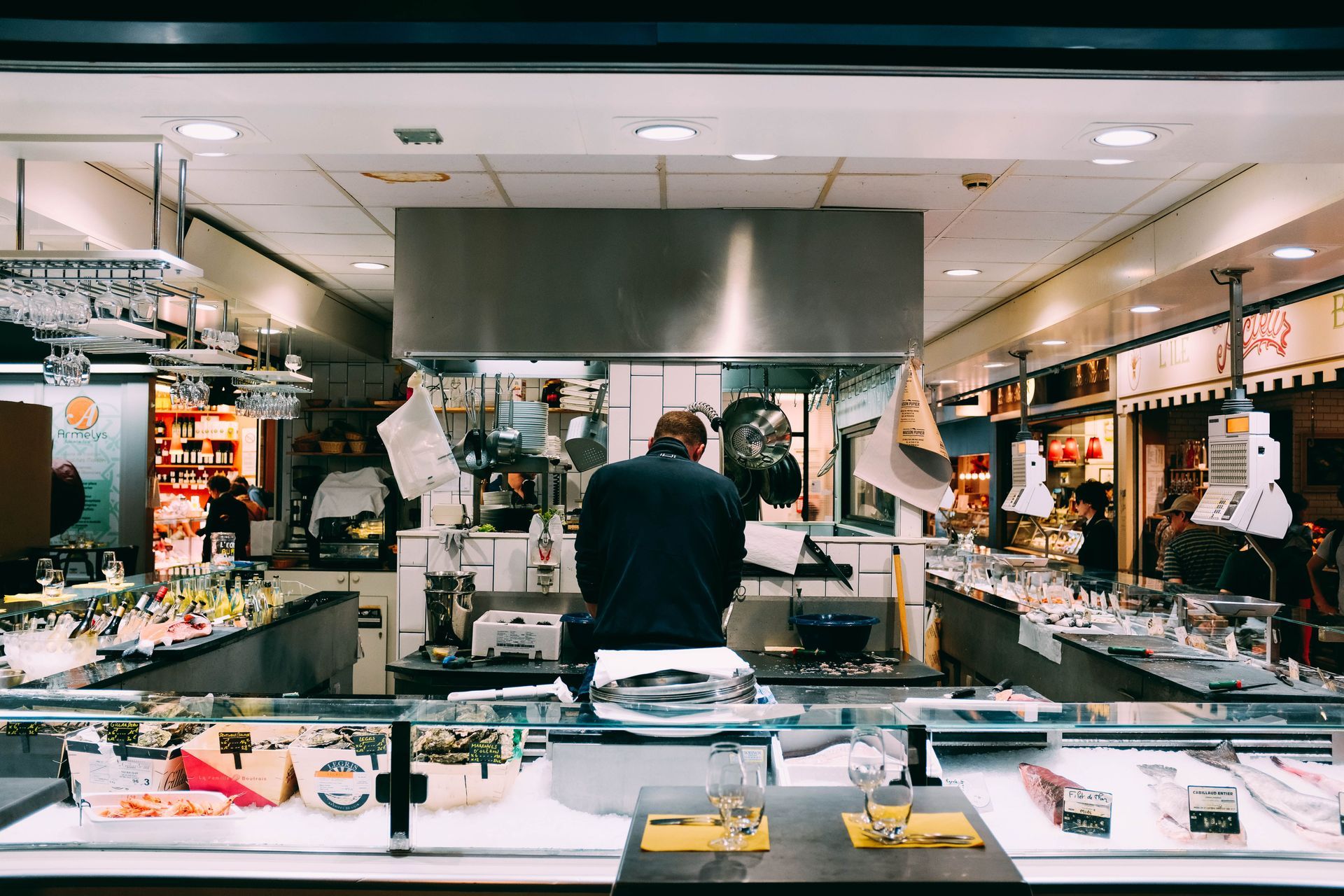
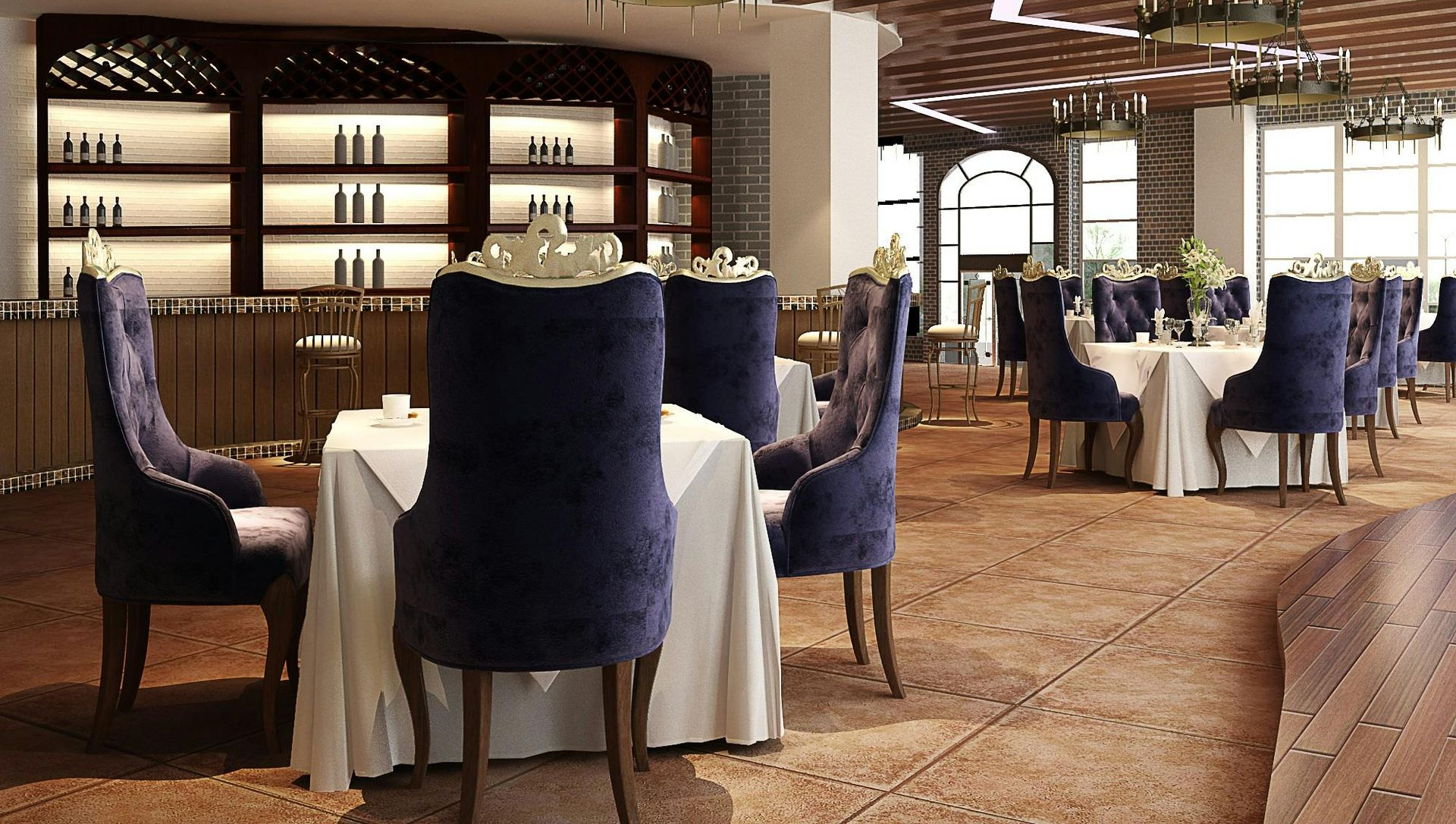
Seafood kitchens require attention to sanitation, drainage, and cross-contamination prevention. Fresh seafood handling demands separate prep areas to protect other ingredients. Ice storage, refrigerated prep tables, and high-performance exhaust systems must be positioned strategically.
Drainage solutions become especially important. Water use is often higher in seafood kitchens, and floors must be designed to manage moisture safely. Slip resistance and easy-to-clean surfaces are essential to protect staff and maintain health department compliance.
Proper equipment placement also supports speed. When filleting, cleaning, and plating occur in logical sequence, staff movement becomes efficient rather than chaotic. Coast 2 Coast Solutions approaches seafood kitchen design with workflow as the guiding principle.
Fine Dining and High-End Concepts
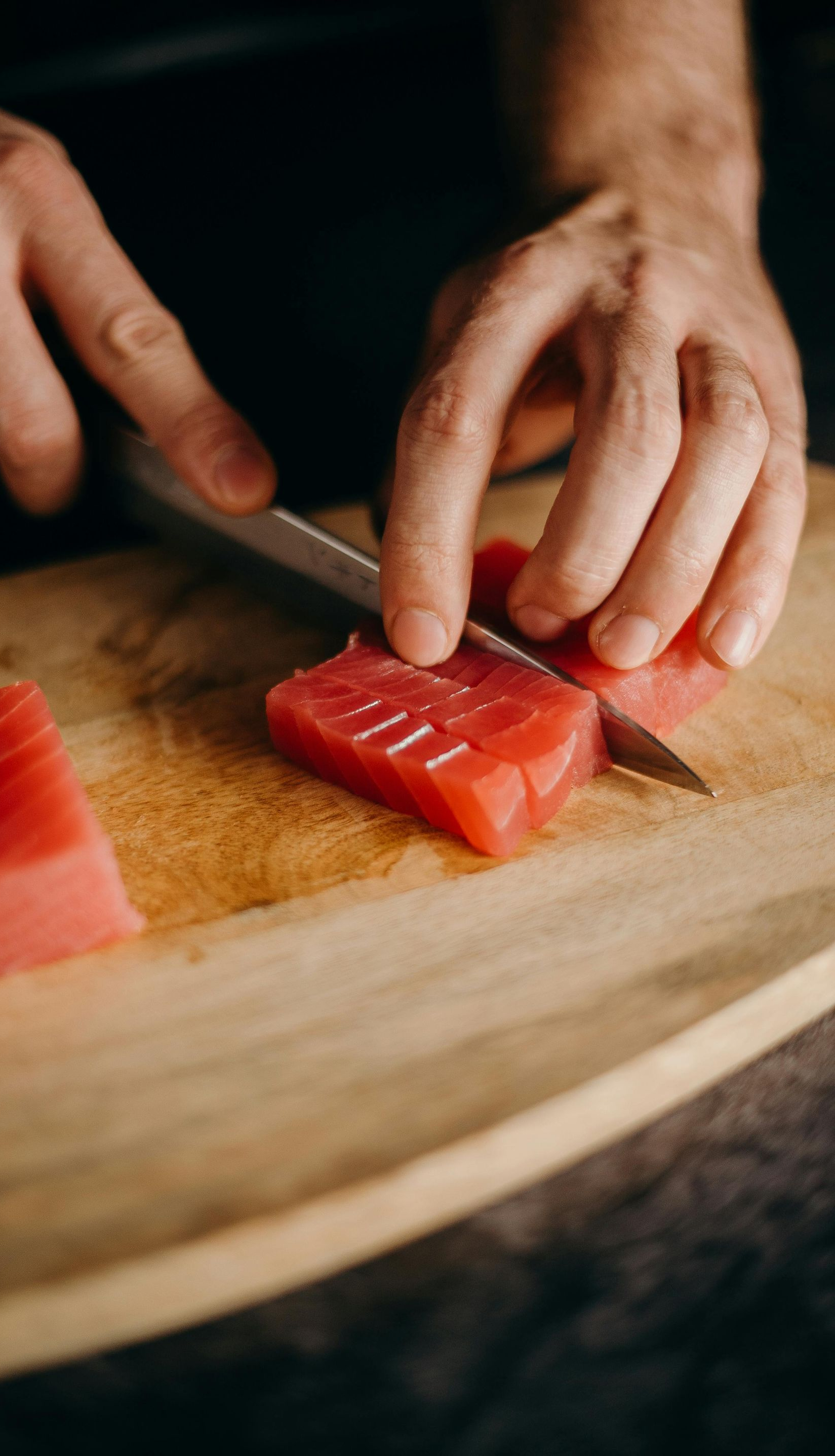
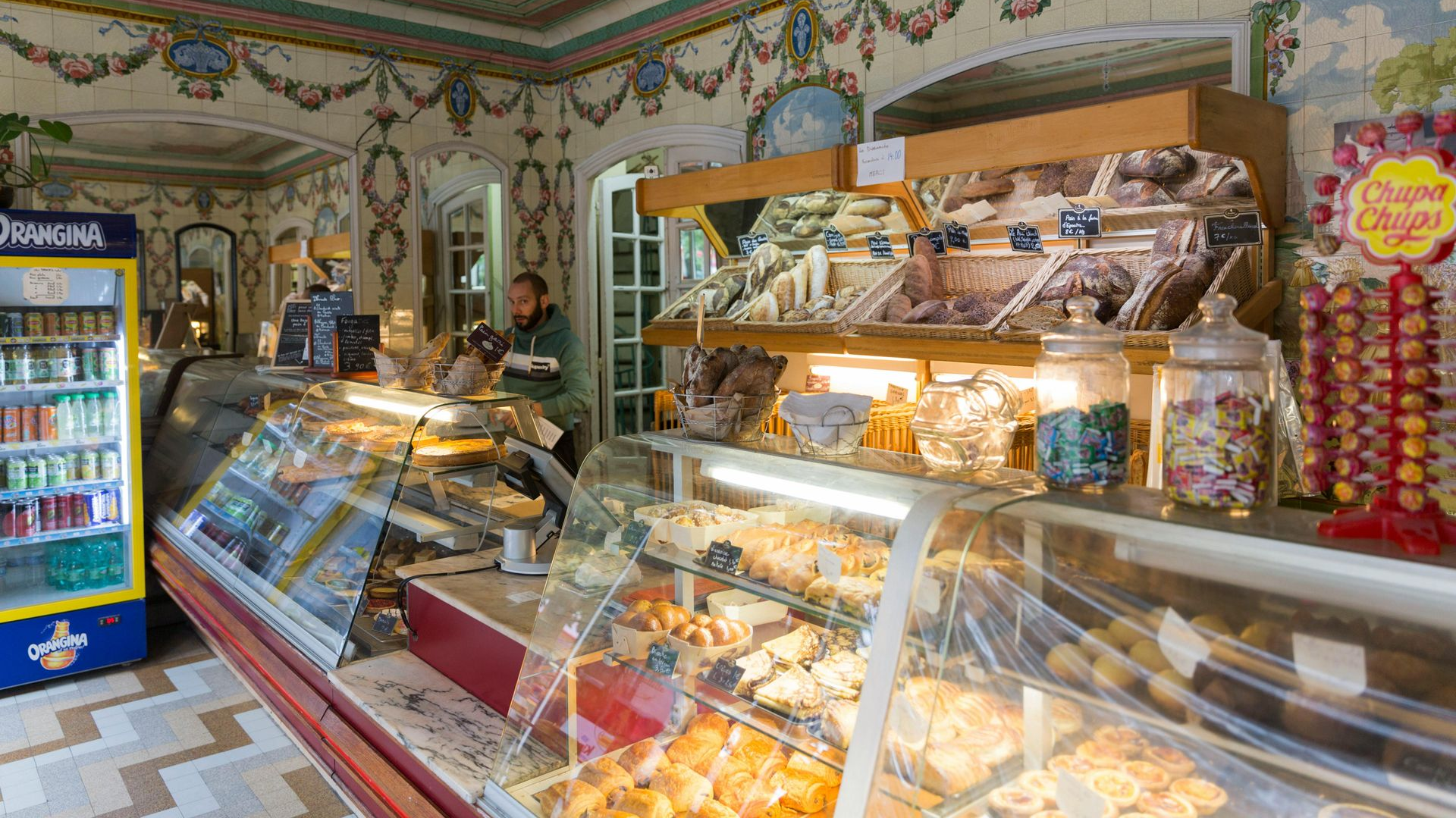
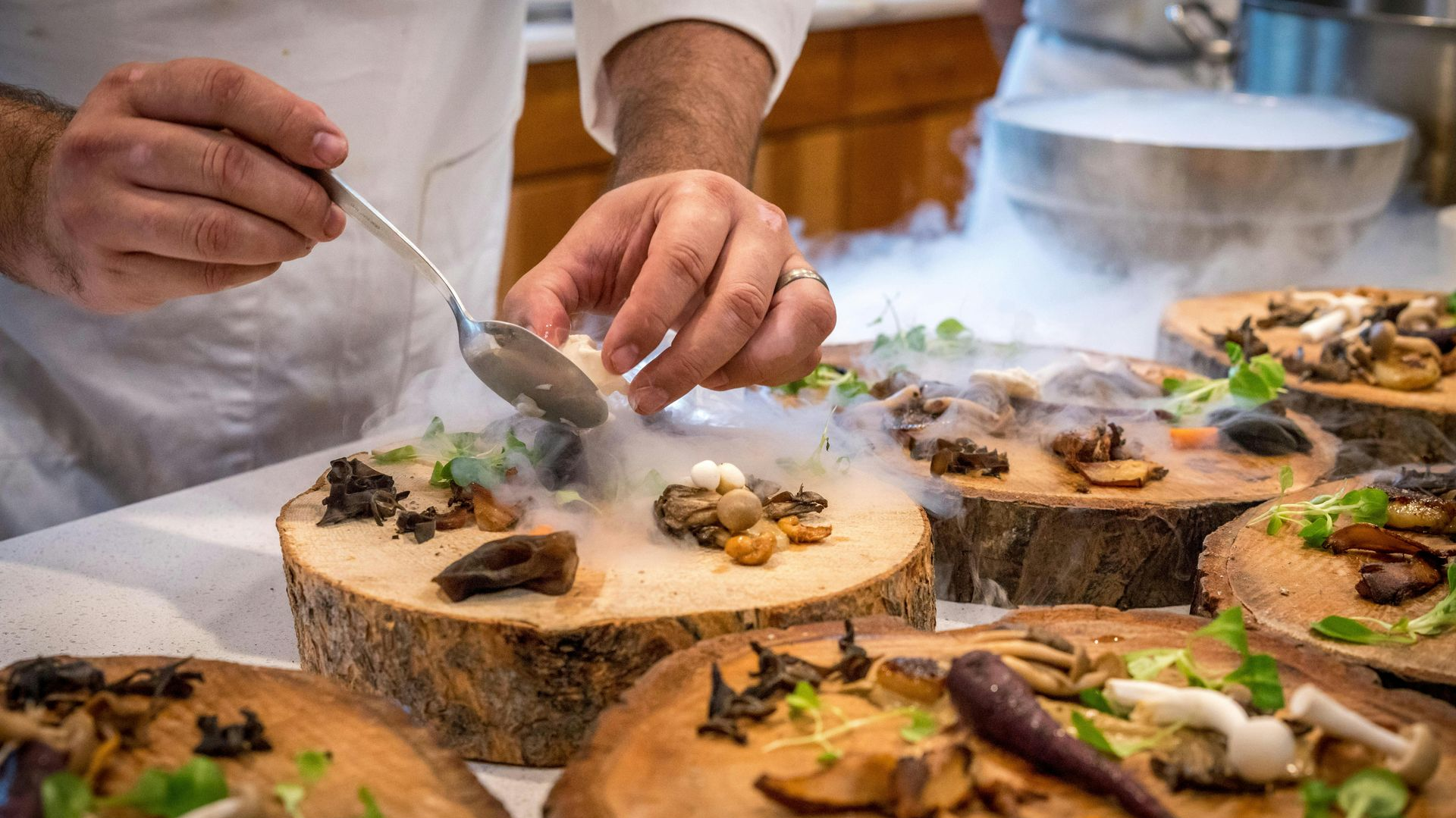
Fine dining establishments prioritize presentation and precision. These kitchens often require multiple specialized cooking stations to support diverse menus and tasting courses.
Design considerations may include:
- Separate hot and cold plating zones
- Dedicated sauce stations
- Specialty cooking equipment such as sous vide systems or charbroilers
- Quiet, organized prep areas to support concentration
- Seamless pass-through windows to the front of house
Ventilation and lighting are also critical. Chefs need clear visibility and comfortable working conditions during extended service hours. Utility infrastructure must support sophisticated equipment without overwhelming the electrical system.
Designing for High-Volume Quick Service
Fast-casual and quick-service restaurants demand speed and repeatability. Every movement must be intentional. Equipment placement is measured carefully to reduce unnecessary steps and minimize staff fatigue.
High-volume kitchens often benefit from:
- Linear production lines
- Clearly defined assembly stations
- Efficient holding equipment
- Optimized refrigeration access
- Simplified cleaning zones
The goal is to maintain speed without sacrificing safety or quality. A well-designed quick-service kitchen increases throughput while reducing labor inefficiencies.
Why Customization Matters
Specialty concepts cannot rely on generic layouts. Equipment selection, electrical load requirements, ventilation needs, plumbing design, and storage planning must reflect the specific cuisine and operational goals.
A turnkey approach ensures that all elements work together cohesively. From initial design through installation, Coast 2 Coast Solutions coordinates infrastructure, compliance requirements, and workflow strategy. This comprehensive planning reduces costly revisions later and positions operators for long-term success.
Planning for Growth
Specialty concepts often evolve. A bakery may expand into catering. A seafood restaurant may increase seating capacity. A fine dining establishment may add a tasting menu or chef’s table.
Custom kitchen design anticipates growth. Leaving space for additional equipment, planning electrical capacity for future expansion, and designing flexible prep zones all protect the investment over time.
Supporting Operational Excellence
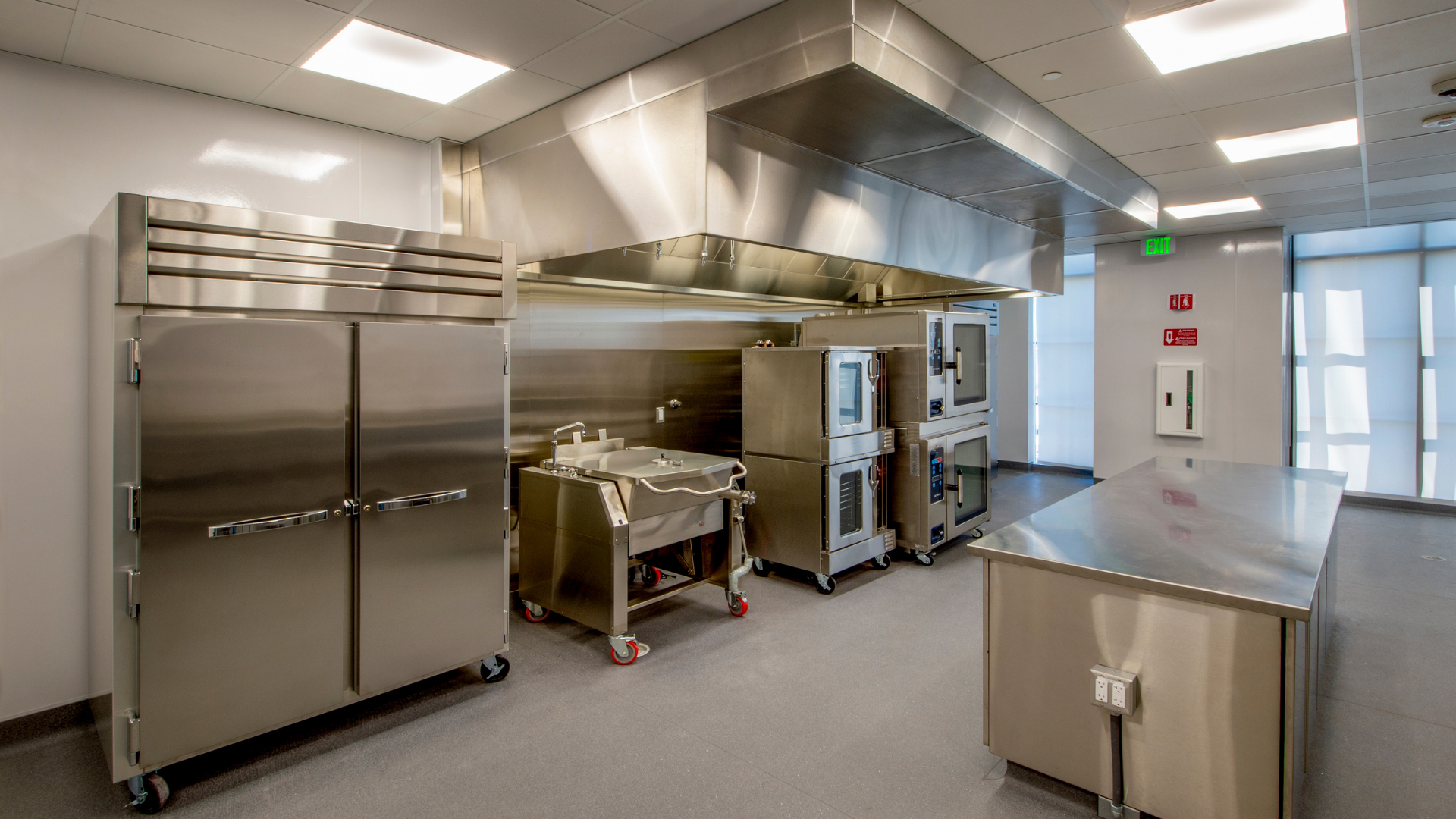
Ultimately, a commercial kitchen should support the concept rather than restrict it. When layout, utilities, and equipment are aligned with culinary goals, staff performance improves. Ticket times become predictable. Safety standards are easier to maintain. Expansion becomes possible without structural overhaul.
Specialty cuisine deserves specialty design. Coast 2 Coast Solutions builds commercial kitchens that reflect the identity of each restaurant while supporting operational efficiency and scalability. By tailoring each project to the specific demands of the concept, we create kitchens that work as hard as the chefs who lead them.