Why the Best Restaurant Kitchens Are Designed Before the Menu Is Finalized
Before the First Dish Is Served
When people think about opening a restaurant, they often start with the menu. Chefs imagine signature dishes and owners think about the dining experience they want to create. While menu planning is important, one of the most critical elements of a successful restaurant often receives less attention early on: the kitchen design.
In reality, the most efficient and successful restaurants are built around well-planned kitchens. Designing the kitchen before the menu is finalized allows restaurant owners to create an operational environment that supports their concept rather than restricting it.
Kitchen Design Influences the Menu
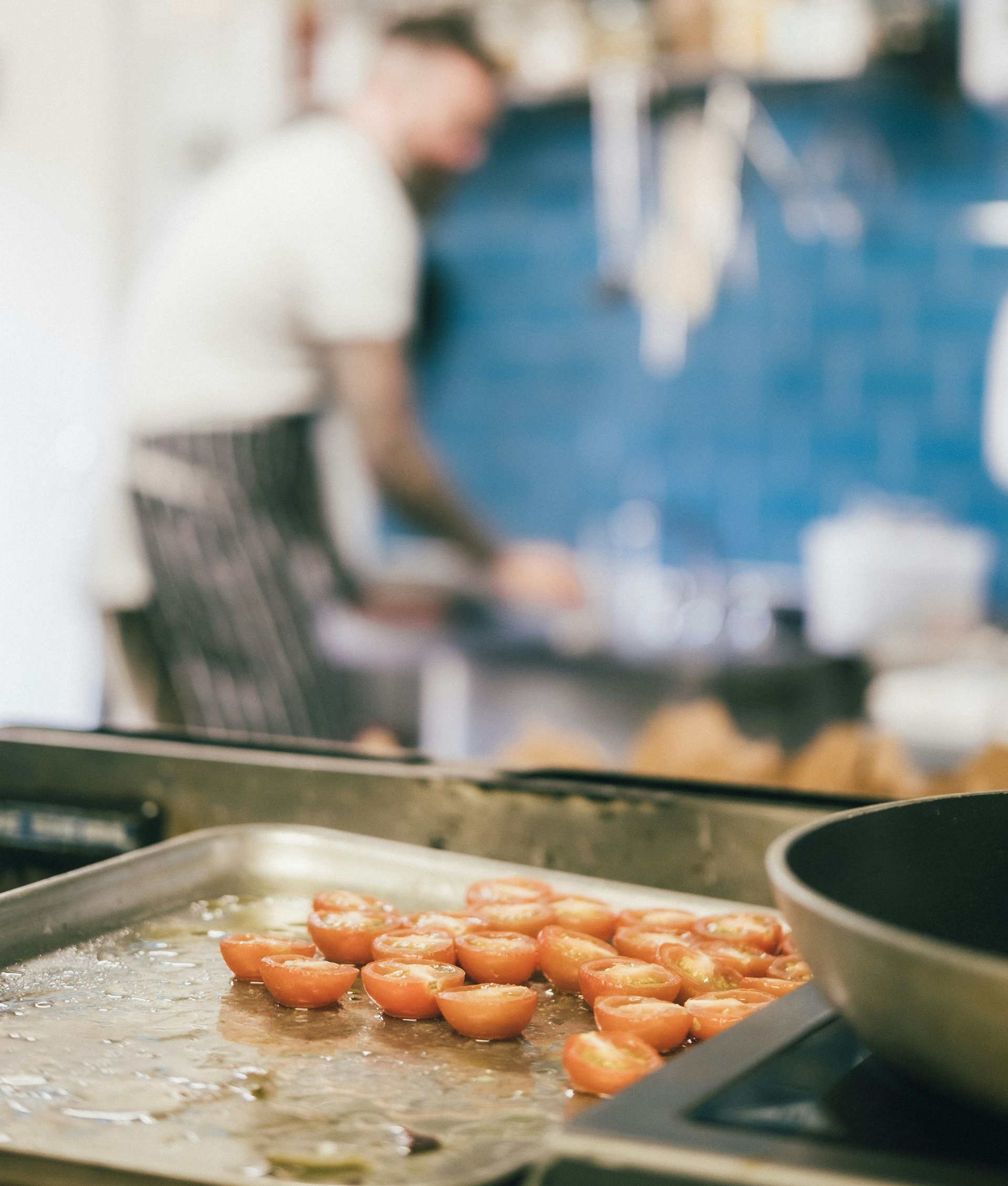
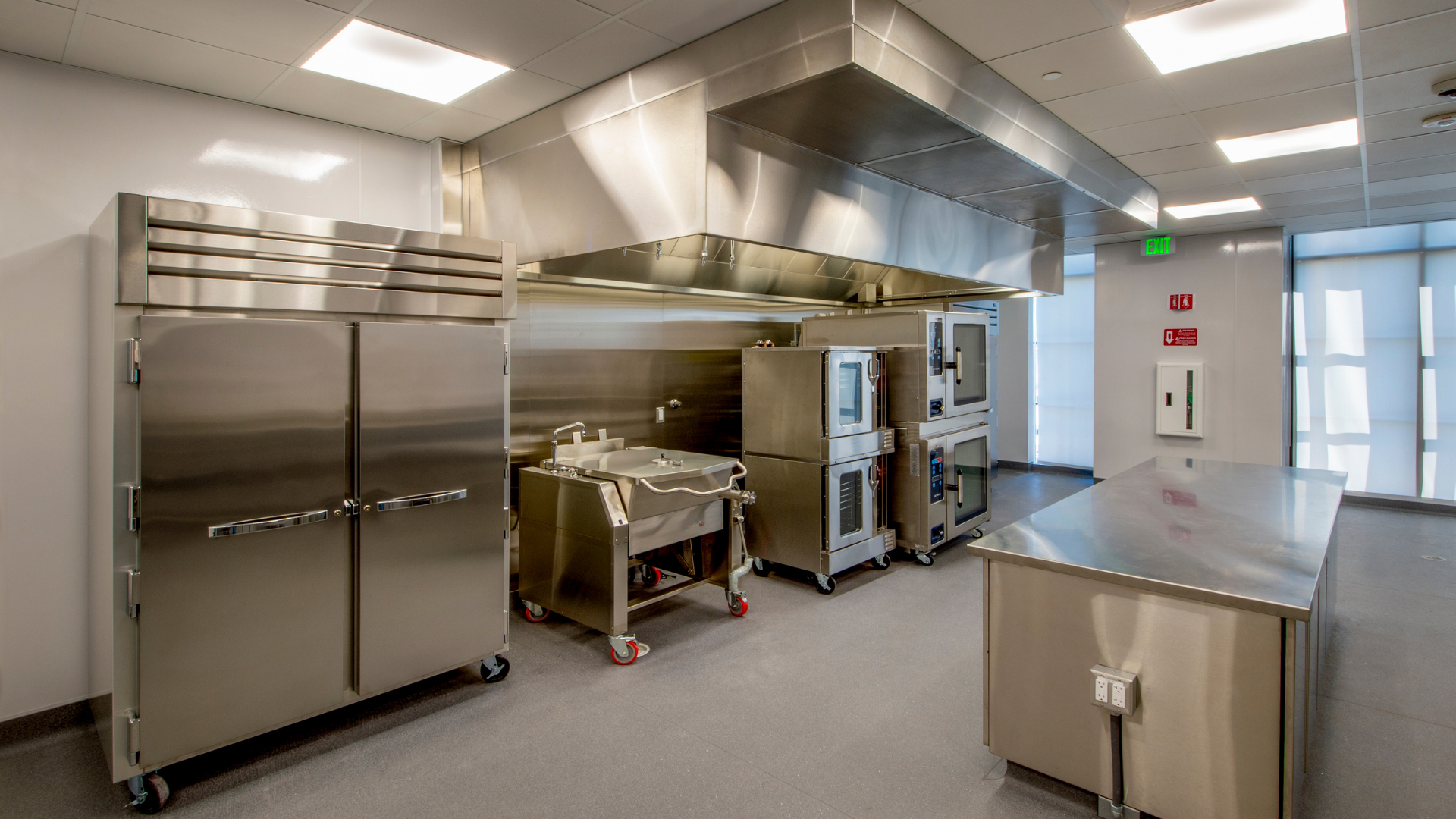
Every item on a menu requires equipment, prep space, and organized workflow. If a kitchen is designed after the menu is created, it may not support the cooking methods required to execute the menu efficiently.
For example, a restaurant planning to offer grilled items, sautéed dishes, baked foods, and fried appetizers will need multiple workstations and equipment types. Without careful planning, these stations can compete for space and create operational bottlenecks.
Designing the kitchen first allows restaurant owners to build a layout that supports multiple cooking processes while maintaining an
efficient workflow.
Improving Service Efficiency
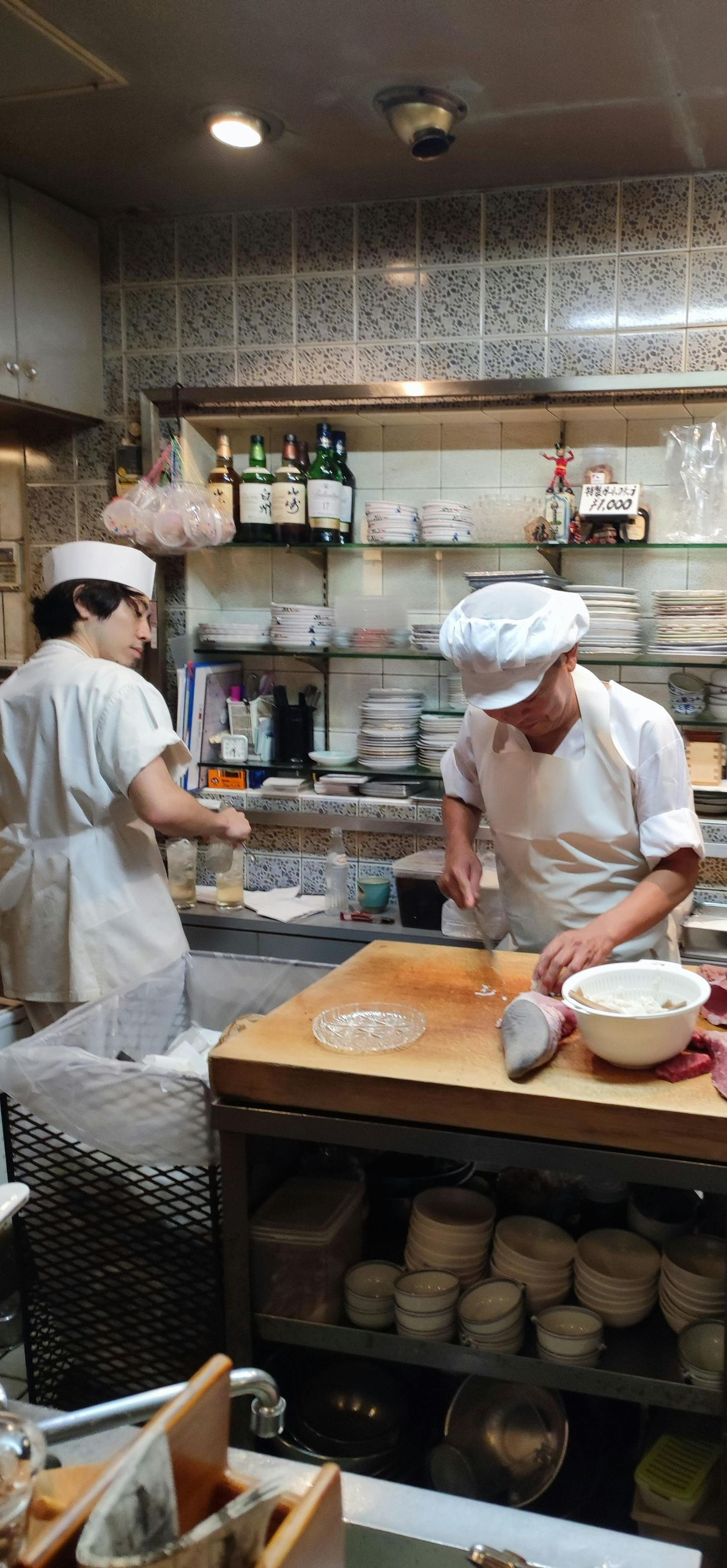
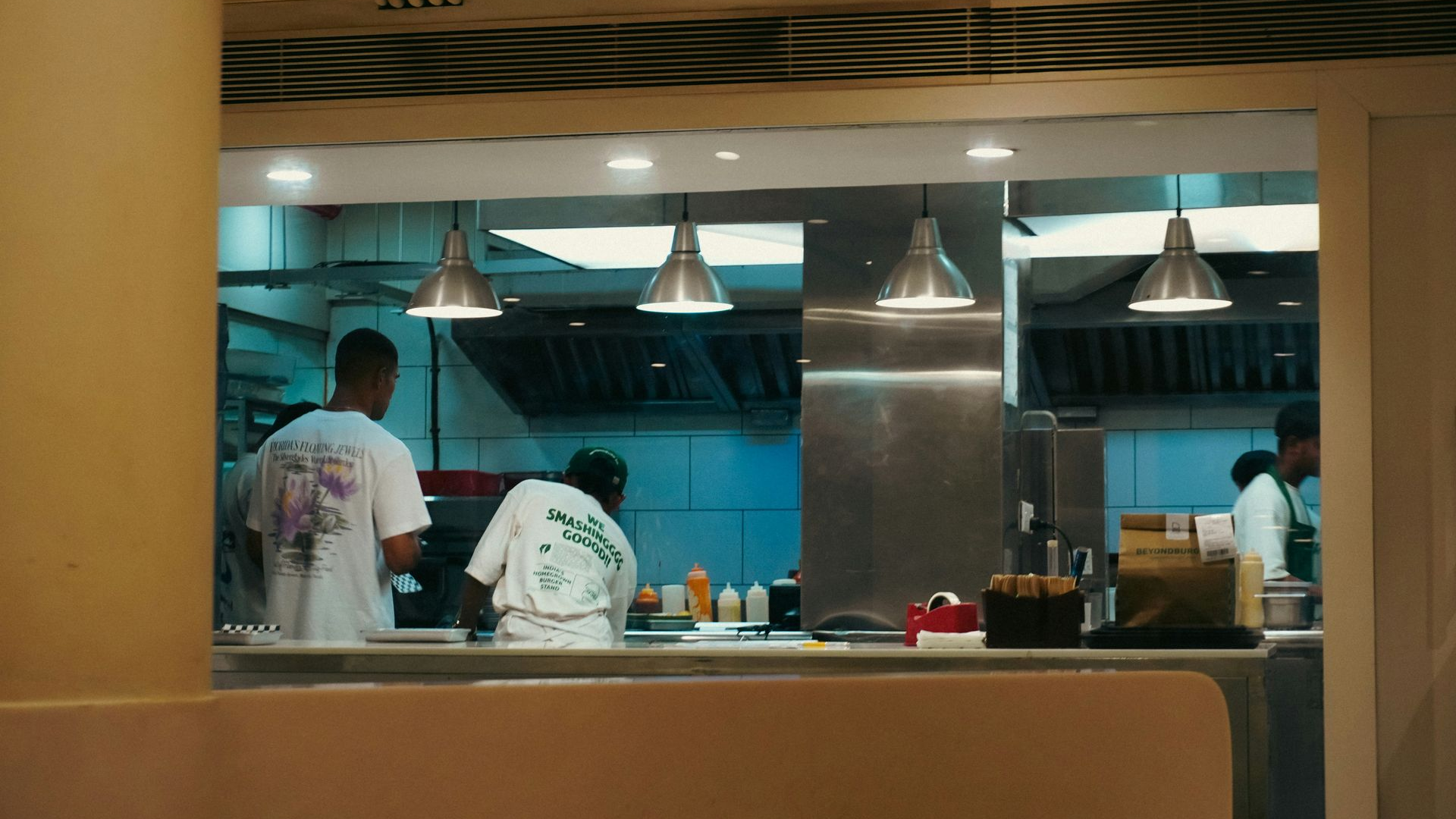
Restaurant kitchens operate under constant time pressure. Staff must prepare meals quickly while maintaining quality and consistency. Poorly designed kitchens often slow down service because employees need to move unnecessarily between stations, refrigerators, or prep areas.
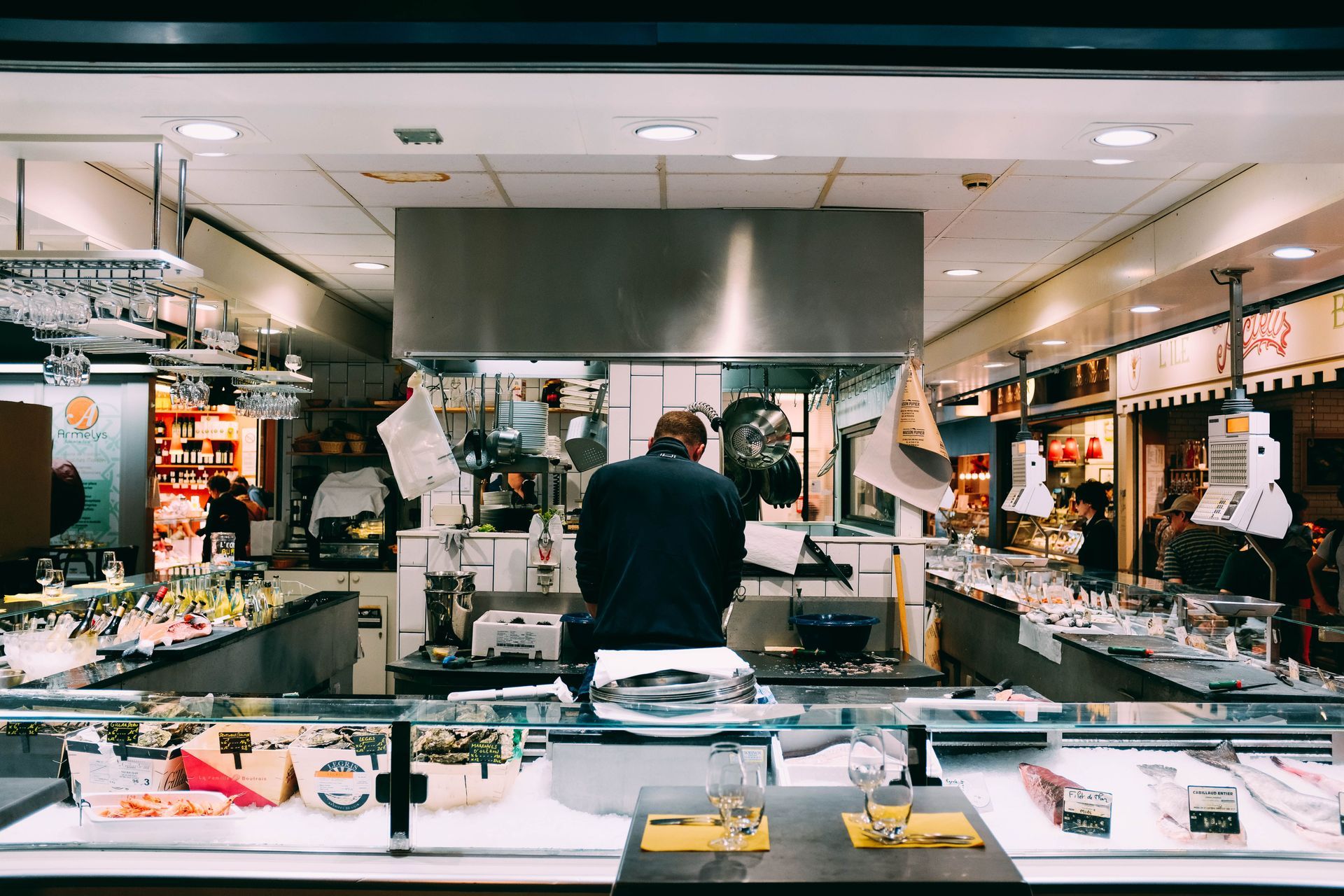
A thoughtfully designed kitchen places equipment and workstations in logical locations so that staff can move efficiently through the cooking process. Prep areas, cooking lines, refrigeration, and plating stations should work together as a coordinated system.
Reducing unnecessary movement improves speed of service and helps restaurants maintain consistency during busy periods.
Planning for Growth
Many restaurants experience higher demand than expected once they gain popularity. If a kitchen is designed only for current needs, it may quickly become overcrowded or inefficient as business increases.
Designing the kitchen early allows restaurant owners to
plan for growth. Layouts can include flexible workstations, adequate storage, and equipment placement that supports higher production levels. Planning ahead can prevent the need for expensive redesigns later.
Storage and Organization
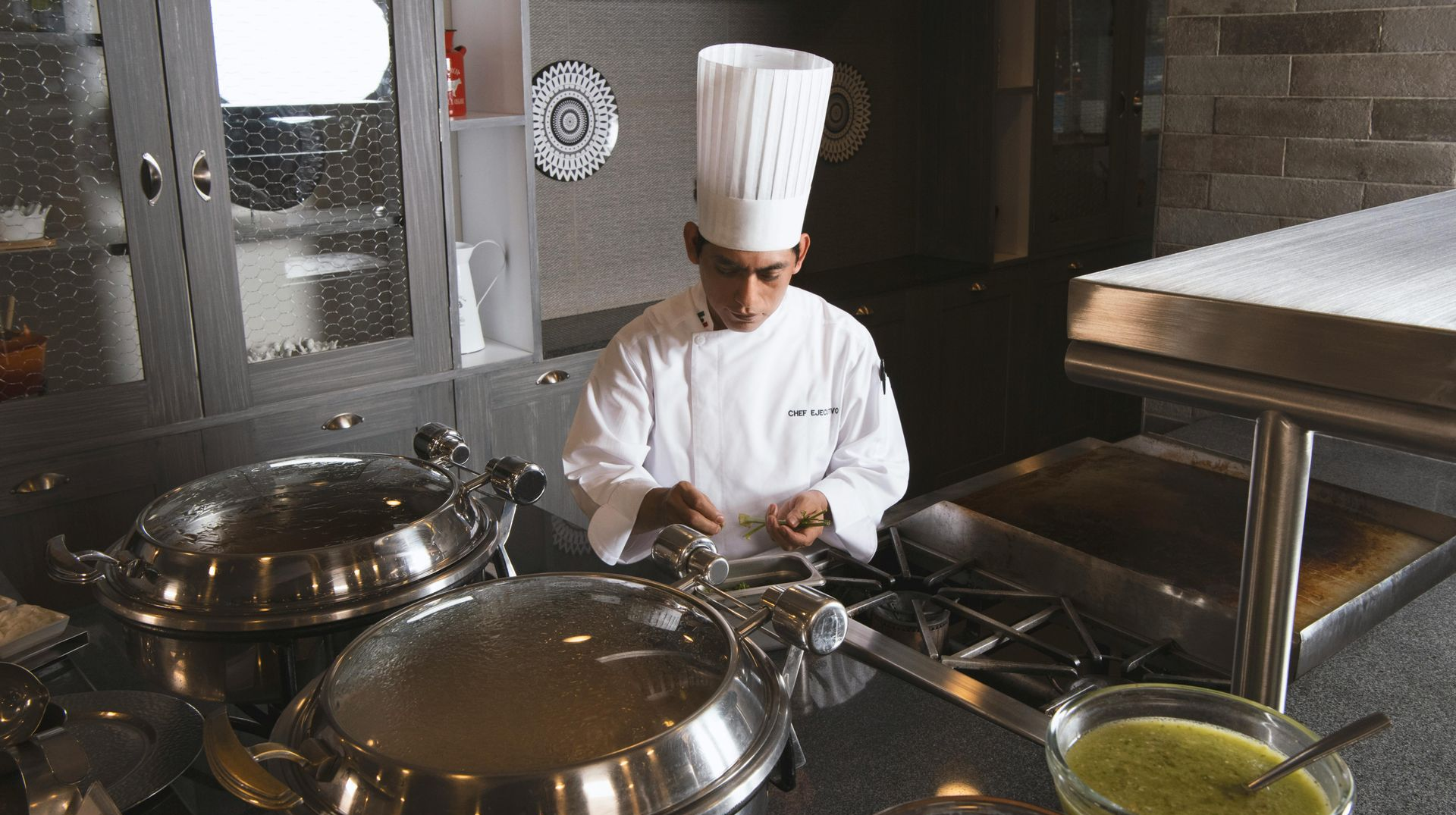
Commercial kitchens require space for dry goods, refrigerated ingredients, frozen items, and preparation areas. Without proper storage planning, kitchens can quickly become cluttered and inefficient.
By designing storage areas strategically, restaurants can keep ingredients organized and easily accessible during service. Walk-in refrigerators, shelving systems, and prep stations should be positioned to support efficient workflow.
Good organization also supports food safety practices and helps maintain compliance with health regulations.
Supporting Staff Productivity
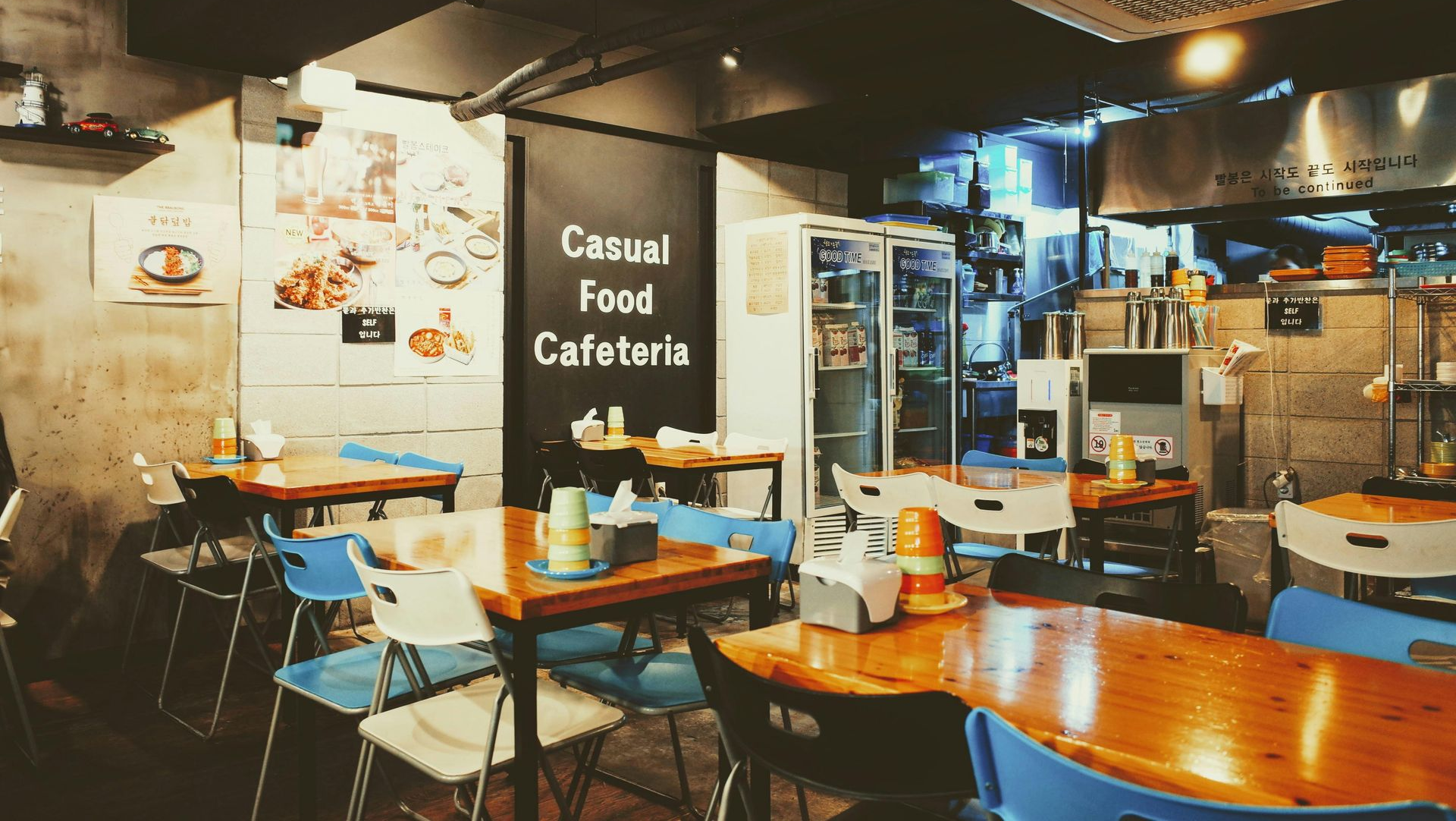
Restaurant kitchens are fast-paced workplaces where several employees must coordinate their work at the same time. Poor layouts can cause staff to crowd the same spaces or compete for equipment.
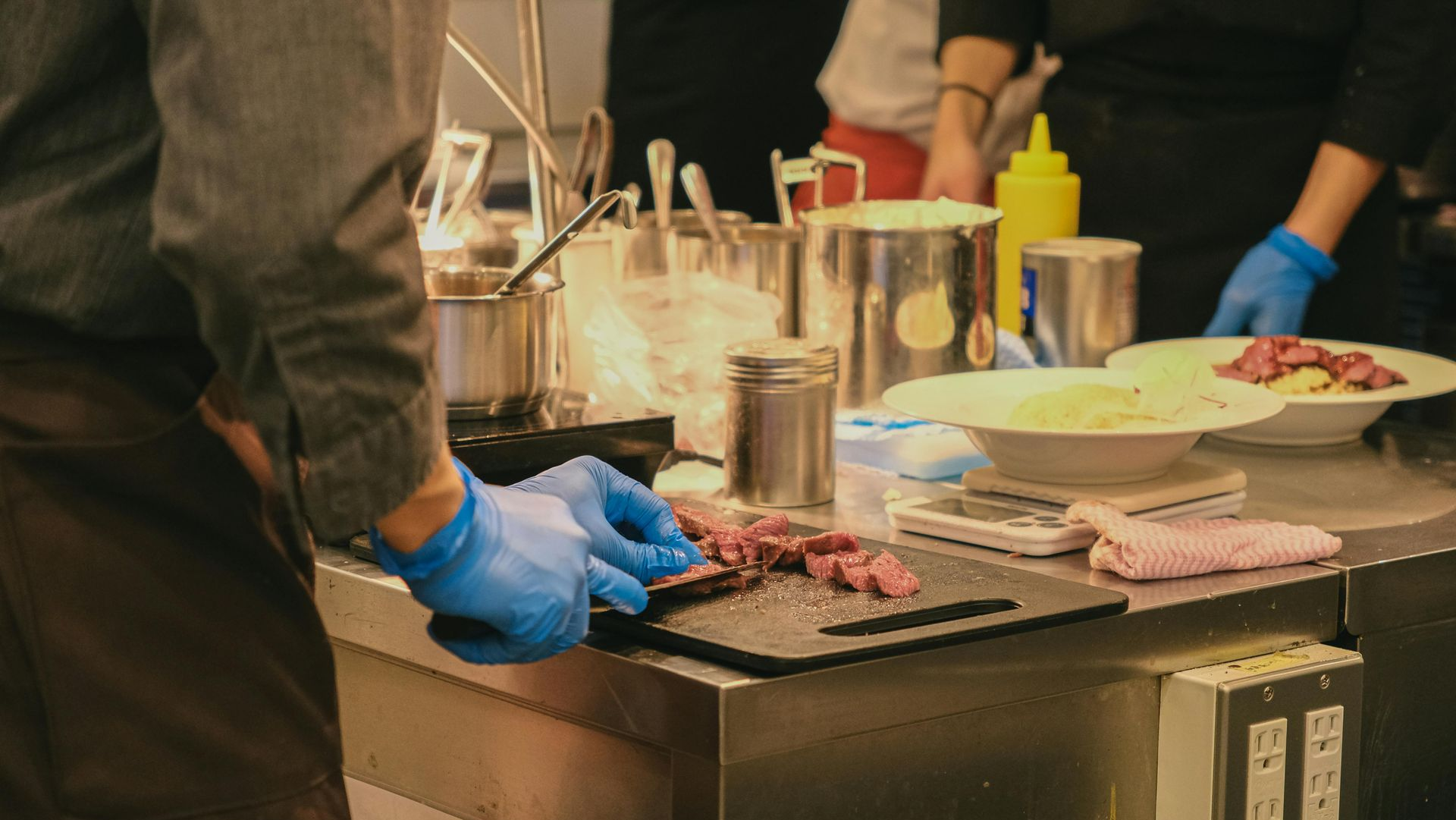
Effective kitchen design creates defined zones for tasks such as food preparation, cooking, plating, dishwashing, and storage. These zones allow staff members to work efficiently without interfering with one another.
This type of organization improves productivity and helps reduce stress during busy service hours.
The Importance of Professional Kitchen Design
Opening a restaurant involves significant investment in equipment, construction, and staffing. Designing the kitchen correctly from the beginning helps protect that investment by creating an efficient workspace.
Professional kitchen designers understand how workflow, equipment placement, safety requirements, and operational efficiency work together. Their expertise helps restaurant owners avoid common design mistakes that can lead to delays, inefficiencies, and expensive modifications.
Partnering with Coast 2 Coast Solutions
A restaurant’s success depends on more than a creative menu. It requires a kitchen capable of producing that menu efficiently and consistently.
Coast 2 Coast Solutions specializes in turnkey commercial kitchen design that helps restaurateurs create kitchens built for productivity and long-term growth. By planning the kitchen early in the development process, restaurant owners can ensure their facility is designed to support their concept and operational goals.
For anyone planning a new restaurant or expanding an existing operation, starting with a professionally designed kitchen can make a significant difference in long-term success.