Why the Wrong Kitchen Layout Can Increase Food Waste
The Hidden Cost of Poor Kitchen Design
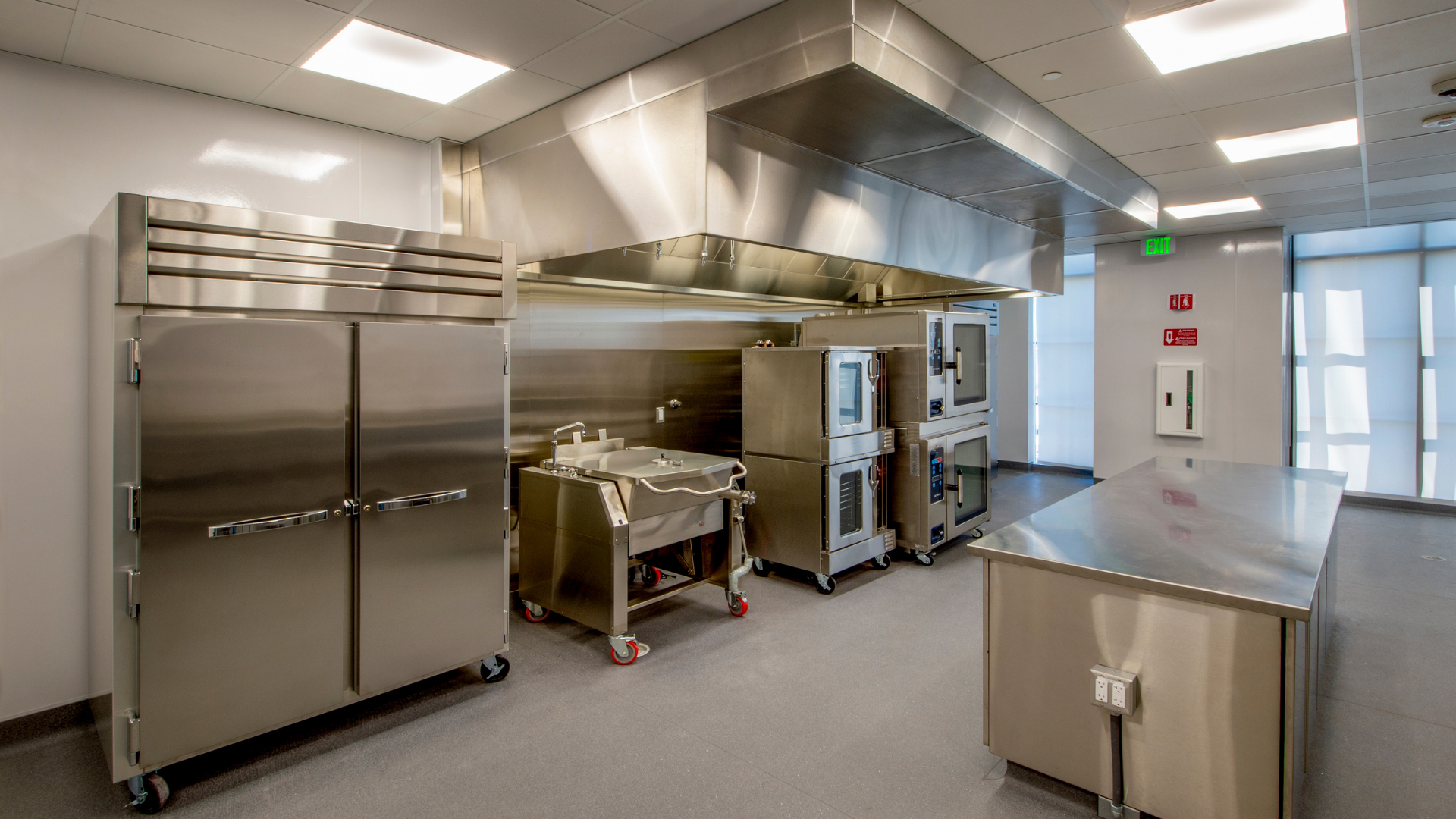
Food waste is a serious concern for restaurants, commercial kitchens, and food service operations. Rising food costs, tighter margins, and increasing awareness of sustainability have made waste reduction a priority for many operators. While food spoilage is often blamed on inventory management or over-ordering, one factor that is frequently overlooked is kitchen layout. The way a commercial kitchen is designed can significantly influence how ingredients are stored, prepared, and used. When the layout does not support efficient workflow, food waste can increase in ways that are both costly and difficult to detect.
A poorly designed kitchen can create inefficiencies that lead to unnecessary spoilage, improper storage, and reduced ingredient utilization. Understanding how layout affects waste can help operators design kitchens that promote efficiency and minimize loss.

Storage Placement and Ingredient Visibility
One of the most common contributors to food waste is improper storage. When refrigeration units, dry storage, and prep areas are not arranged logically, ingredients may become difficult to access or easy to overlook. Staff members working under time pressure may grab what is most visible rather than what needs to be used first.
When storage areas are poorly organized or placed too far from prep stations, it becomes harder for kitchen staff to maintain first-in, first-out rotation practices. Older ingredients may remain hidden behind newer deliveries, eventually expiring before they are used.
Thoughtful kitchen design places storage areas close to the stations where ingredients are prepared. This encourages staff to access inventory efficiently and maintain better control over product rotation.

Inefficient Prep Areas
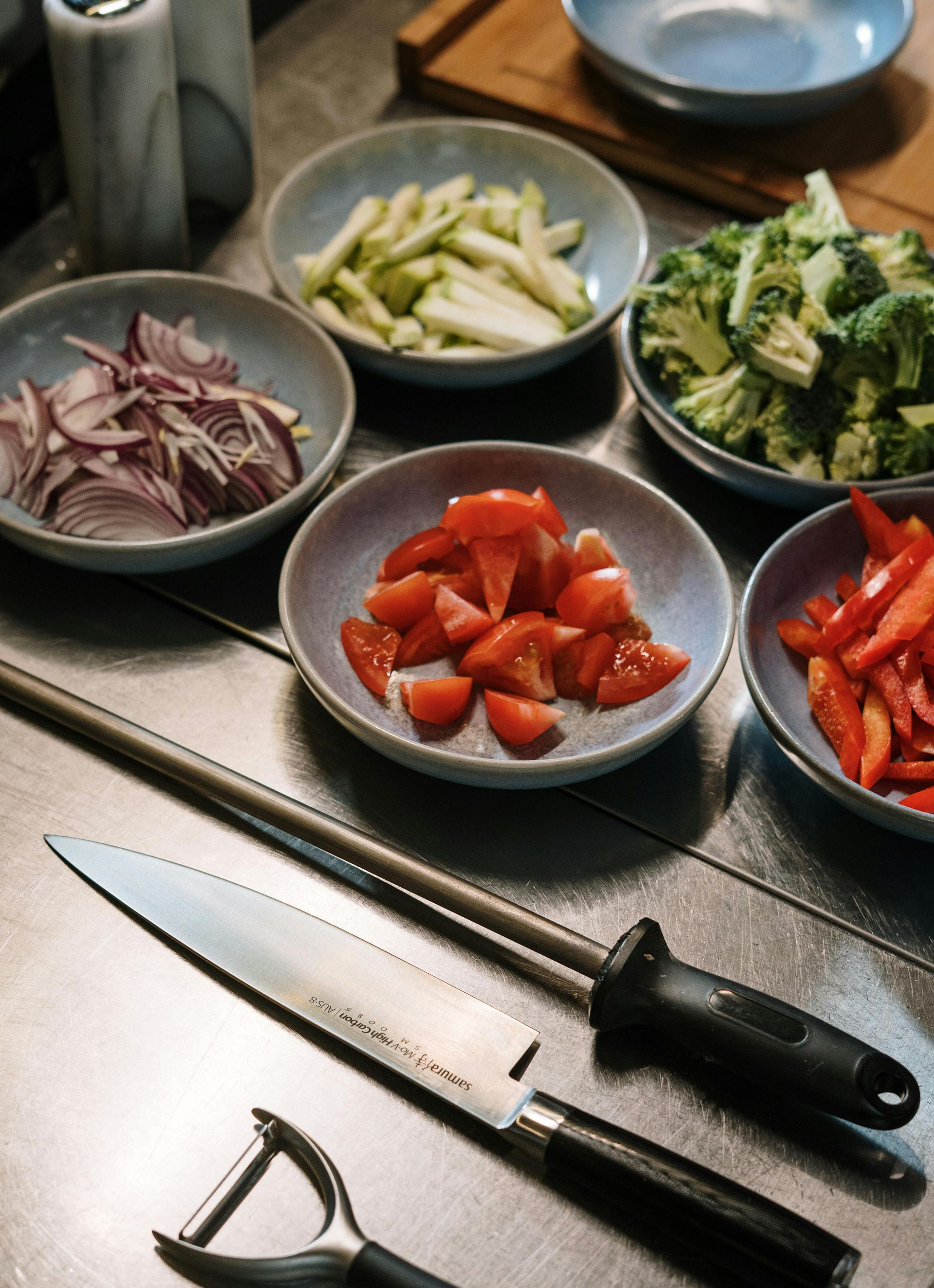
Prep stations play a critical role in minimizing waste. If these areas are too small, poorly located, or lacking adequate counter space, staff may rush through preparation tasks. This can result in over-trimming produce, discarding usable portions of ingredients, or making mistakes that require food to be thrown away.
A well-designed prep area provides enough workspace for staff to handle ingredients carefully and efficiently. Adequate counter space, convenient access to refrigeration, and organized storage for tools all help improve accuracy during preparation.
When prep areas are designed with workflow in mind, staff can process ingredients more precisely and reduce unnecessary waste.

Distance Between Workstations
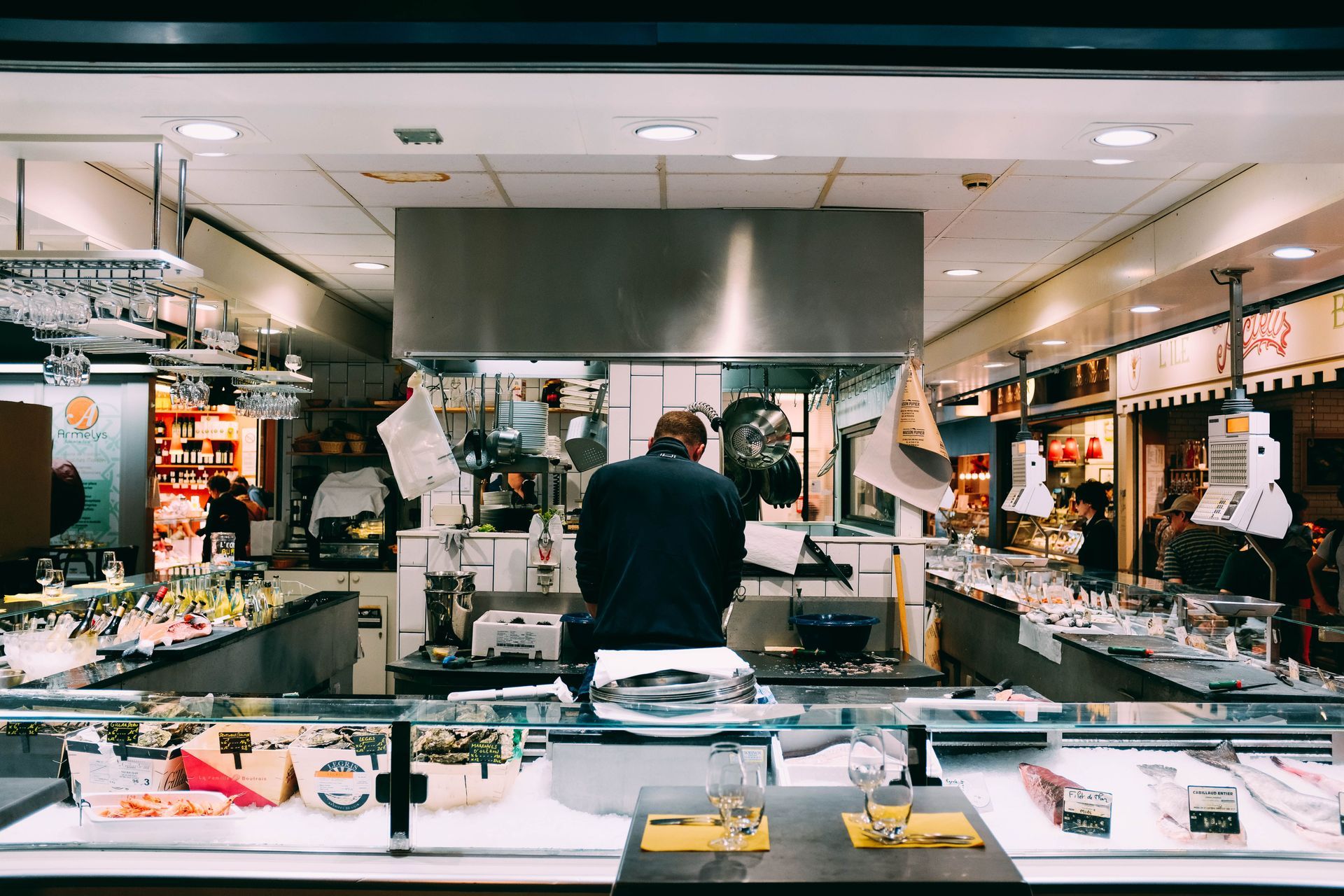
Another layout issue that contributes to waste is excessive distance between workstations. When ingredients must be carried long distances between storage, prep, cooking, and plating stations, several problems can occur.
First, additional movement increases the likelihood of spills, dropped items, or cross-contamination. Second, staff members may over-portion ingredients to reduce the need for repeated trips across the kitchen. Over-portioning can lead to unused food being discarded at the end of service.
Efficient kitchen layouts minimize unnecessary movement by arranging stations in a logical sequence. Ingredients should flow naturally from storage to preparation, cooking, and service without unnecessary backtracking.
Poor Traffic Flow
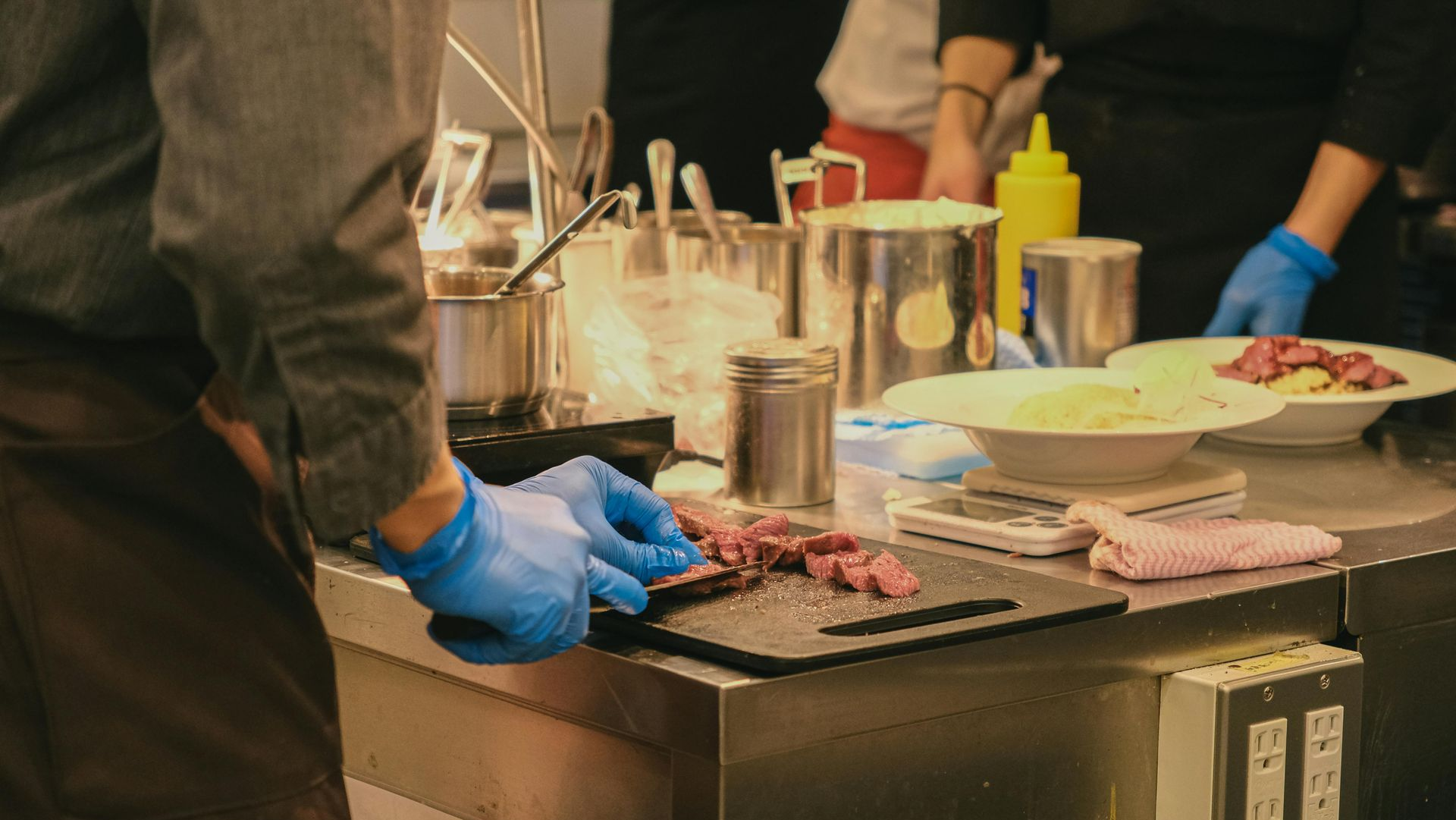
Busy kitchens rely on smooth traffic flow. When multiple team members must cross the same narrow pathways or work around poorly positioned equipment, mistakes become more likely. In crowded or chaotic environments, food may be dropped, mishandled, or discarded due to timing issues.
Clear pathways and well-defined work zones help prevent these problems. By separating prep areas, cooking lines, and plating stations, kitchens can maintain better organization during busy service periods.
Improved traffic flow reduces the risk of accidents and ensures that food moves through the kitchen efficiently.

Limited Landing Space
Landing space refers to the counter space near cooking equipment where staff can safely place hot pans, trays, or prepared ingredients. When this space is insufficient, staff may struggle to manage food safely during busy periods.
Without proper landing space, ingredients may be placed in inconvenient areas where they are more likely to be forgotten or mishandled. Food that sits too long in the wrong location may become unusable and must be discarded.
Proper kitchen design ensures that equipment is surrounded by enough workspace to support safe and organized food handling.

Designing Kitchens That Reduce Waste
Reducing food waste requires more than careful purchasing and inventory management. The physical design of a kitchen plays a major role in how efficiently ingredients move from delivery to preparation and service.
At Coast 2 Coast Solutions, we understand how kitchen design affects every aspect of restaurant operations. Our team works with food service operators to create kitchen layouts that improve workflow, enhance productivity, and reduce unnecessary waste.
By designing kitchens that support efficient storage, preparation, and movement, operators can protect their ingredients, control costs, and create environments where staff can work more effectively. A well-planned kitchen is not only more productive, it also helps ensure that valuable food resources are used wisely rather than lost to preventable waste.