Thinking of Upgrading Your Commercial Kitchen? Here’s Where to Start
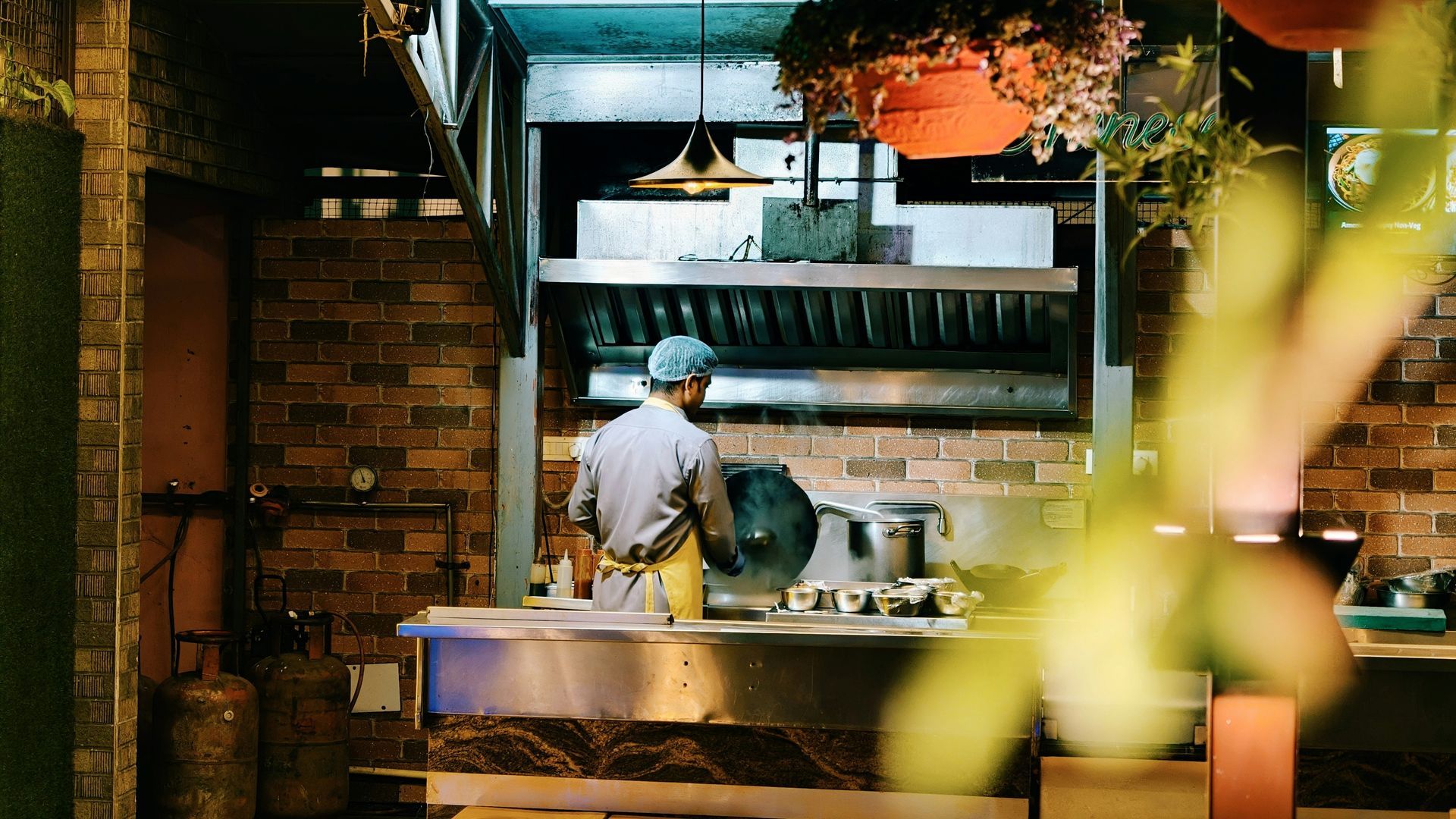
Identify Equipment That Limits Performance
Not all equipment needs to be replaced at once. Prioritizing the right upgrades ensures that investment is directed where it will have the most immediate benefit.
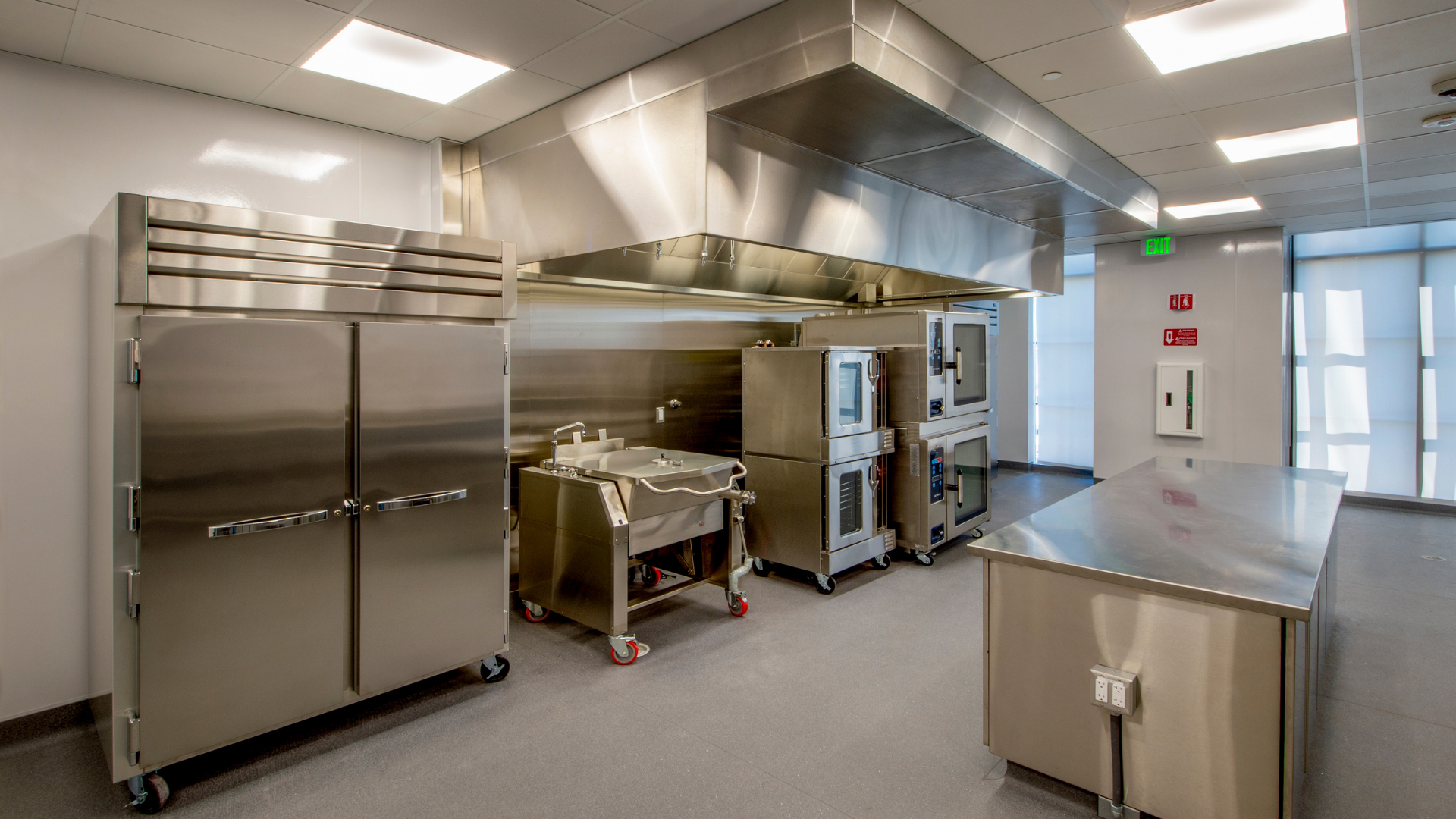
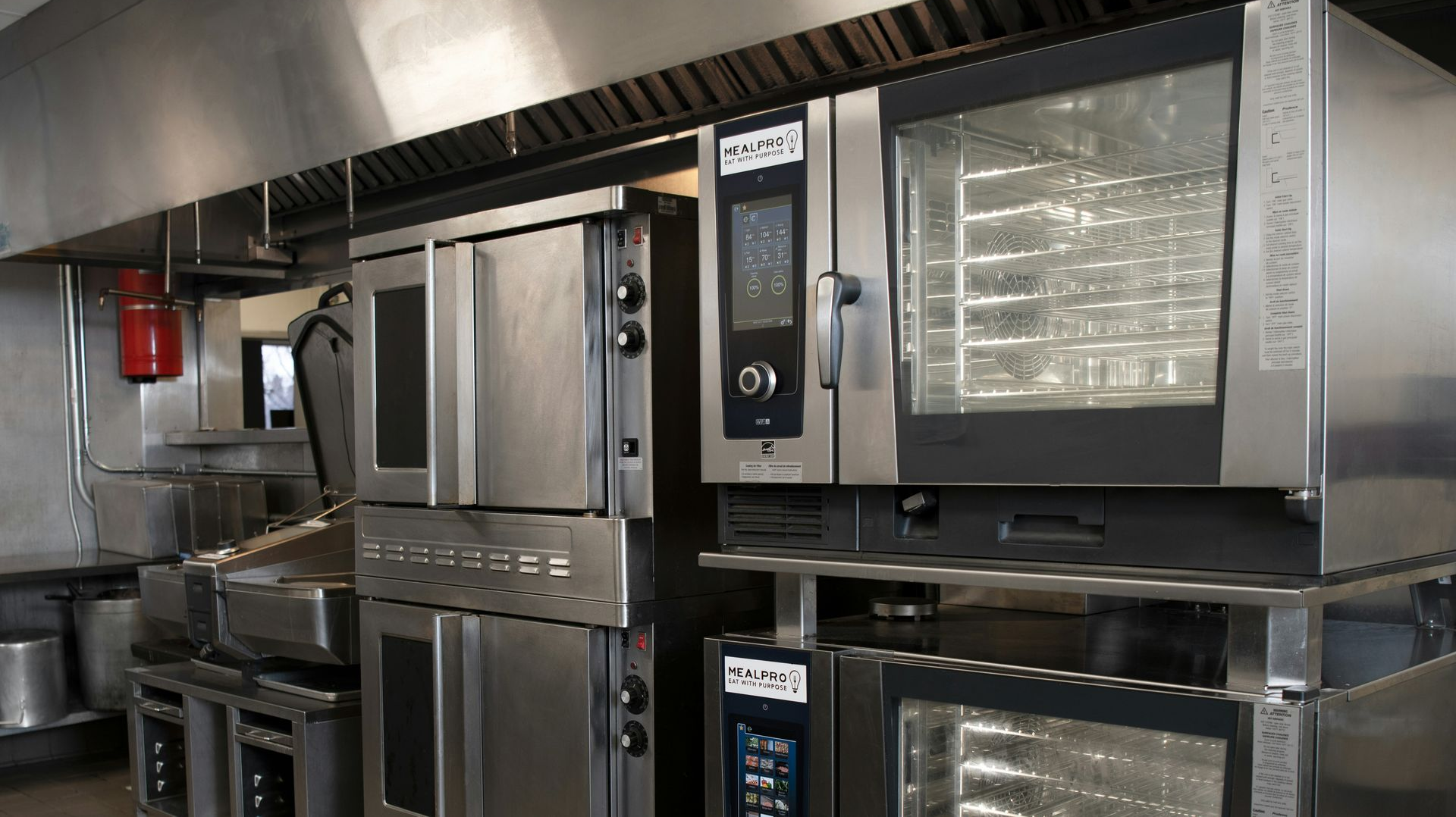
In many kitchens, the most impactful upgrades involve equipment that directly affects speed and consistency. Cooking equipment, refrigeration, and prep stations often fall into this category. If these components are outdated, undersized, or poorly positioned, they can slow down the entire operation.
When evaluating equipment, it is helpful to focus on how it supports daily output rather than simply its age. Equipment that cannot keep up with demand or does not align with the kitchen’s workflow should be considered a priority.

Rethink Layout Before Expanding Capacity
It is common to assume that increasing capacity requires adding more equipment or expanding the kitchen footprint. In many cases, the issue is not space, but how that space is used.
Reconfiguring the layout can often produce better results than adding more equipment. Strategic placement of stations and appliances can reduce bottlenecks and improve efficiency without increasing the overall size of the kitchen.
Key considerations include:
- Positioning equipment based on frequency of use
- Creating clear pathways between stations
- Separating prep, cooking, and plating areas for better organization
A well-designed layout allows the kitchen to operate more effectively with the resources it already has.
Consider Long-Term Operational Needs
Upgrading a commercial kitchen is not just about addressing current challenges. It is also an opportunity to plan for future growth and evolving demands.
This may involve:
- Selecting equipment that can handle increased volume
- Designing a layout that can adapt to menu changes
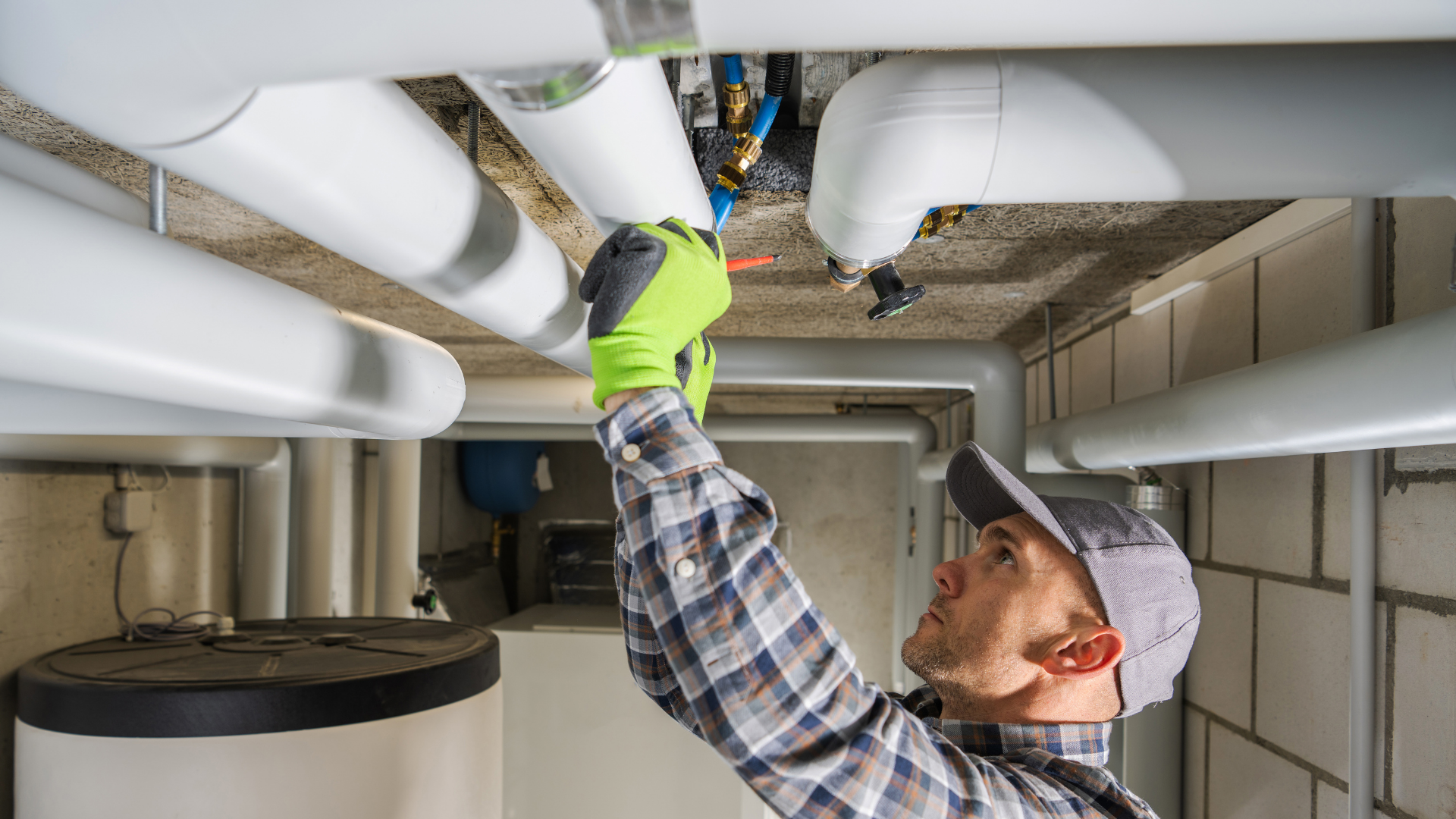
- Ensuring that utilities and infrastructure support expansion
Taking a long-term view helps avoid the need for additional modifications in the near future.
The Value of Coordinated Planning
One of the most common challenges in kitchen upgrades is a lack of coordination between design, equipment selection, and installation. When these elements are handled separately, it can lead to delays, inefficiencies, and unexpected adjustments.
A coordinated approach ensures that:
- Equipment fits within the planned layout
- Installation aligns with operational goals
- The final result reflects a unified design strategy
This level of coordination is especially important in complex commercial kitchens where multiple systems must work together seamlessly.

Why Turnkey Solutions Make a Difference
Managing a kitchen upgrade can involve multiple vendors, timelines, and decisions. A turnkey solution simplifies this process by bringing all aspects of the project under one team.
With a turnkey approach, the same provider handles:
- Design and layout planning
- Equipment selection and sourcing
- Installation and final setup
This creates a more streamlined process and reduces the risk of misalignment between different stages of the project.
Coast 2 Coast Solutions specializes in turnkey commercial kitchen design and installation, helping restaurant owners move from concept to completion with a clear, coordinated plan. By focusing on workflow, efficiency, and long-term performance, their approach ensures that every element of the kitchen works together.
A Strategic Starting Point
Upgrading a commercial kitchen does not need to be overwhelming. By starting with workflow, prioritizing key equipment, and rethinking layout, it is possible to create meaningful improvements that support both daily operations and future growth.
If you are considering an upgrade and want a structured, efficient process from start to finish, contact Coast 2 Coast Solutions to explore how a turnkey solution can bring your kitchen vision into alignment with real-world performance.