How Turnkey Design Simplifies Restaurant Opening Timelines

April 17, 2026

Opening a restaurant involves more than selecting a location and developing a menu. One of the most complex parts of the process is designing and building the kitchen. Without a clear plan and coordinated execution, delays can quickly accumulate, pushing opening dates further than expected.


Turnkey kitchen design offers a more streamlined approach. By integrating design, planning, and implementation into a single process, it helps reduce the complexity that often slows restaurant openings.


The Challenge of Coordinating Multiple Phases

Traditional kitchen buildouts often involve multiple parties working independently. Designers, contractors, equipment suppliers, and installers may all operate on separate timelines.


This fragmented approach can lead to:

  • Miscommunication between teams
  • Delays caused by scheduling conflicts
  • Adjustments that require rework

Each phase depends on the one before it, so even small disruptions can affect the entire timeline.
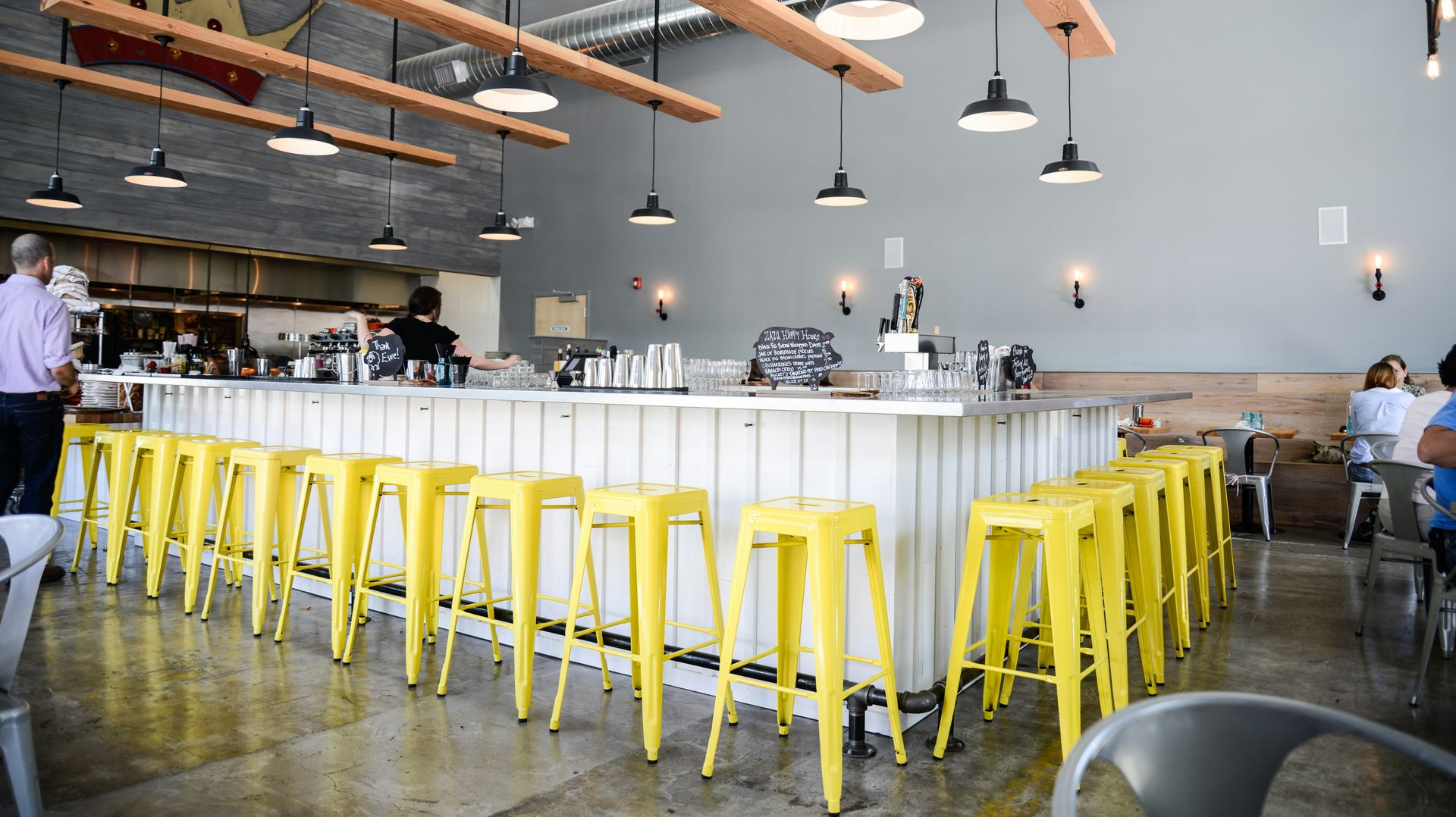
Modern cafe with long white communal table, yellow stools, hanging lights, and exposed wood beams

What Turnkey Design Changes

Turnkey design brings these elements together under one coordinated process. Instead of managing separate teams, restaurant owners work with a single provider responsible for the full scope of the project.


This approach allows for:

  • Centralized planning and communication
  • Clear alignment between design and execution
  • A more predictable sequence of work

By reducing the number of variables, turnkey design helps create a smoother path from concept to completion.
Neon “Restaurant open” sign above a person standing in a dim restaurant window at night

Planning With the End Goal in Mind

One of the key advantages of turnkey design is that planning begins with a clear understanding of the final outcome. Kitchen layout, equipment selection, and workflow are all considered together from the start.


This integrated planning helps:

  • Ensure that all components fit and function as intended
  • Reduce the need for last-minute adjustments
  • Support a more efficient installation process

When the entire project is designed as a cohesive system, each step can move forward with fewer interruptions.

Hanging wooden sign reading “Come in, We Are OPEN” in a storefront window

Reducing Delays During Installation

Installation is often where timelines become unpredictable. Equipment may arrive late, layouts may require modification, or adjustments may be needed to accommodate unexpected conditions.


With turnkey design, many of these issues are addressed in advance. Detailed planning and coordination help ensure that:

  • Equipment specifications align with the layout
  • Installation steps are clearly defined
  • Potential conflicts are identified early

This preparation reduces the likelihood of delays during the final stages of the project.
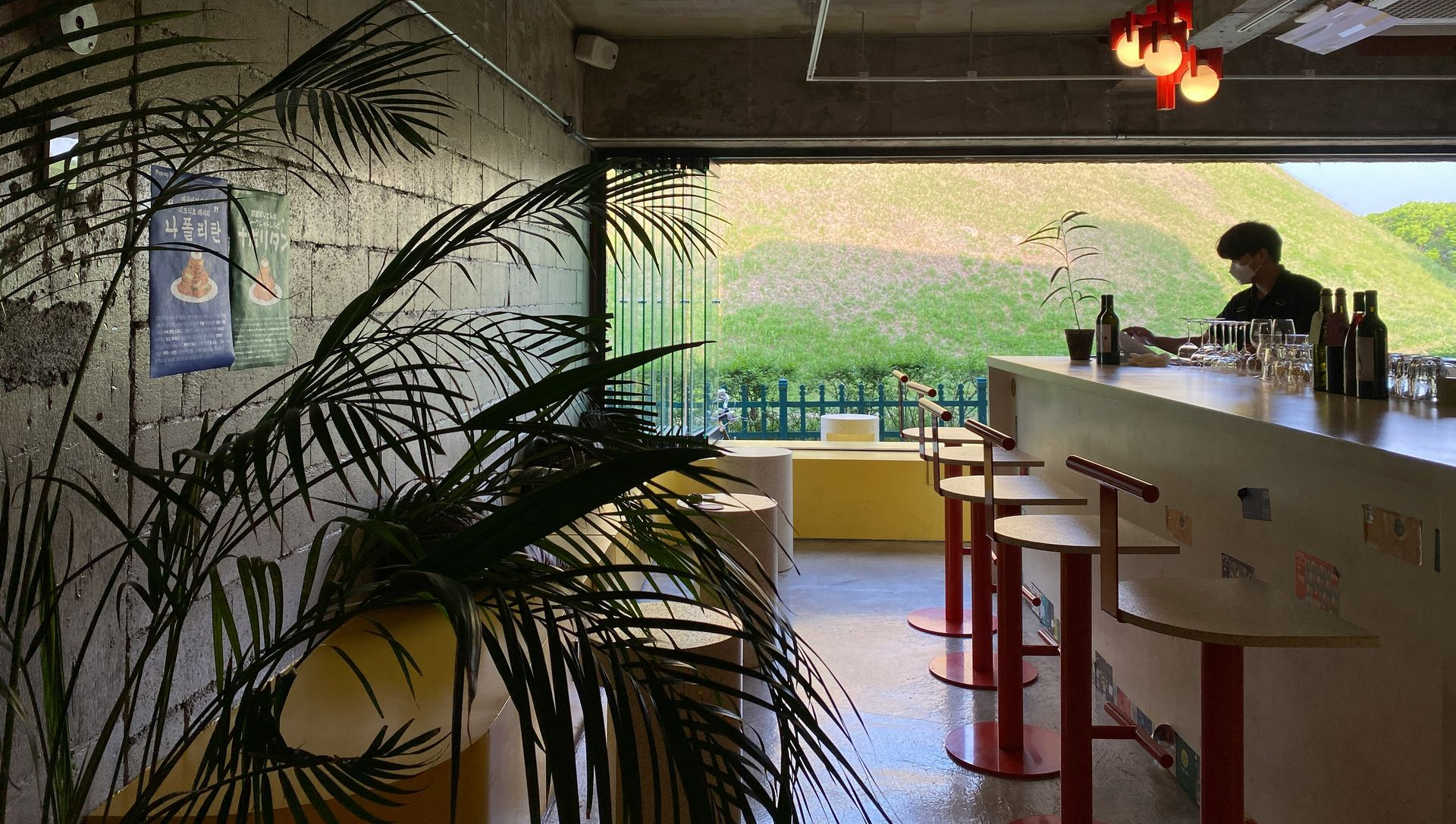
Modern bar interior with a curved counter, hanging lights, and tropical plants overlooking greenery outside

Improving Communication Throughout the Process

Clear communication is essential in any construction project. When multiple parties are involved, information can become fragmented or delayed.


Turnkey design simplifies communication by creating a single point of contact. This allows for:

  • Faster decision-making
  • Consistent updates on project progress
  • Immediate resolution of questions or concerns

This level of coordination helps keep the project moving forward without unnecessary interruptions.

Open sign for breakfast, lunch, and dinner hanging on a tree outdoors near lounge chairs

Supporting a More Predictable Timeline

While no project is completely free of challenges, turnkey design helps reduce uncertainty. By aligning all aspects of the kitchen buildout, it creates a more controlled and predictable timeline.


This can be especially valuable for restaurant owners who are working toward a specific opening date. Delays in construction can affect staffing, marketing, and overall planning, so maintaining a consistent schedule is critical.


A More Efficient Path to Opening

Opening a restaurant is a complex process, but it does not have to be unpredictable. Turnkey kitchen design provides a structured approach that simplifies coordination, reduces delays, and supports a more efficient buildout.


By bringing all elements of the project together, it allows restaurant owners to focus on preparing for opening rather than managing multiple moving parts.


Coast 2 Coast Solutions specializes in turnkey restaurant kitchen design, helping clients move from concept to completion with a streamlined and coordinated process. If you are planning a new restaurant, contact Coast 2 Coast Solutions to create a kitchen design that supports both efficiency and a reliable opening timeline.


Open sign glowing in a shop window at night
A person wearing an apron prepares ingredients on a counter in a dimly lit, professional restaurant kitchen.
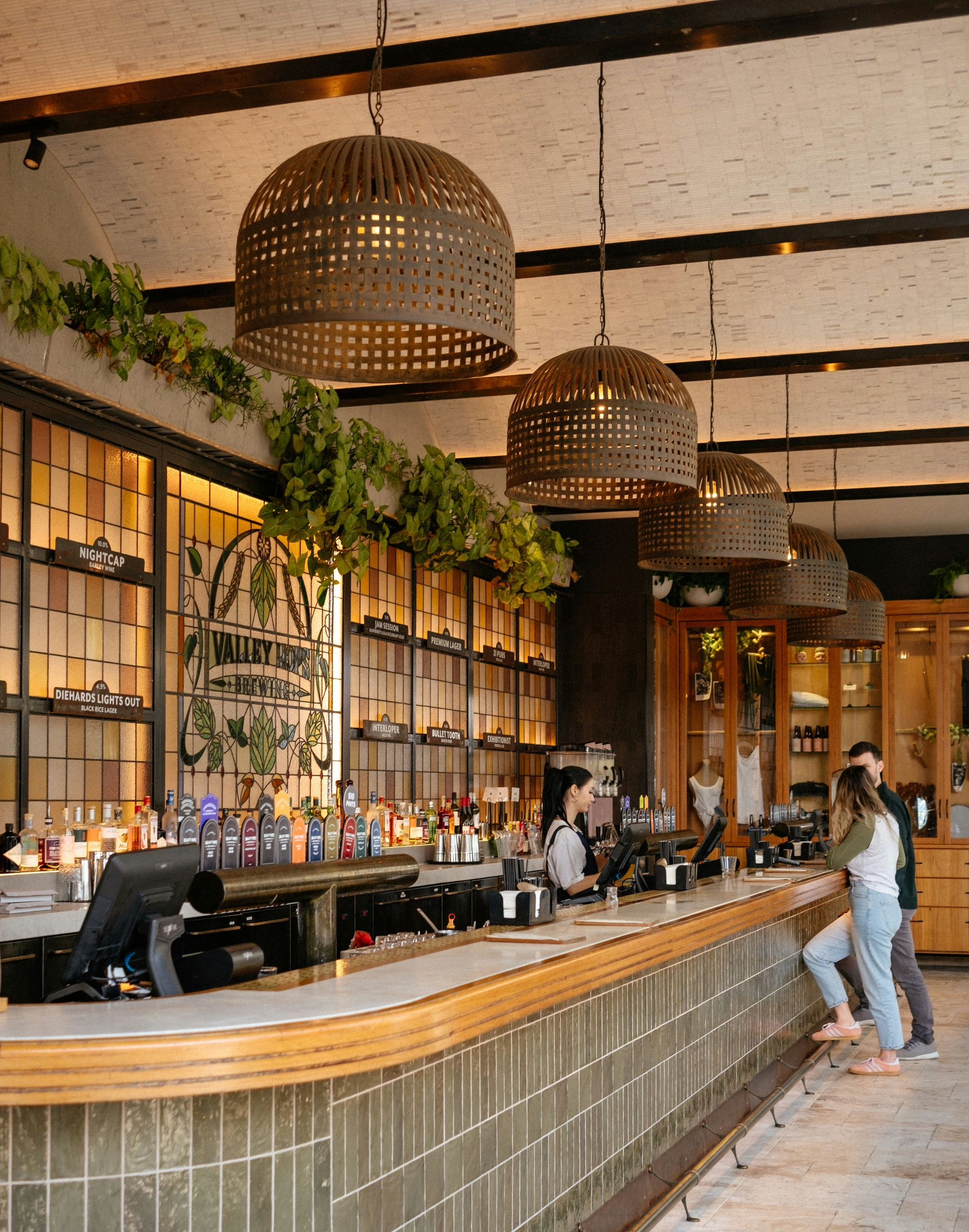
Rustic restaurant bar with wicker pendant lights, long counter, and two patrons standing at the end.
Green checkered café table with folded napkins and a small potted plant in a bright outdoor seating area
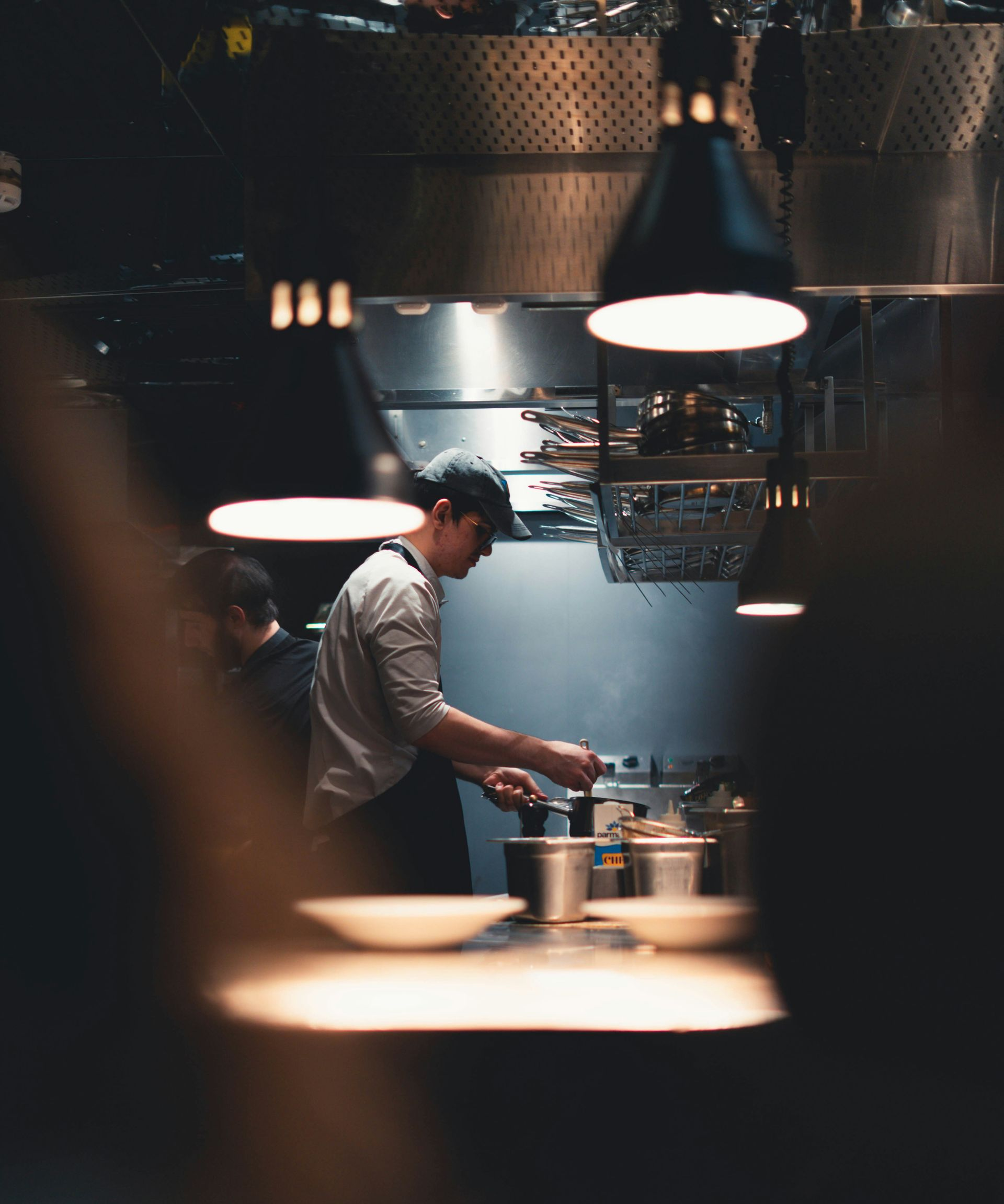
Chef cooking in a dimly lit kitchen under hanging lights, viewed through a blurred foreground.
Dimly lit café at night with warm orange lights and a red neon “OPEN” sign.
April 9, 2026
In many restaurant projects, space is one of the most limiting factors. Operators often assume that improving kitchen performance requires expanding square footage. However, increasing the physical size of a kitchen does not always lead to better results. In many cases, it introduces new inefficiencies.  An alternative approach focuses on designing what can be described as an “ invisible kitchen .” This concept centers on maximizing efficiency within the existing footprint by optimizing layout, workflow, and equipment placement. The result is a kitchen that performs at a higher level without requiring additional space. Efficiency Is Not About Size A larger kitchen may seem like a solution to operational challenges, but more space can create longer travel paths, communication gaps, and unnecessary movement. When stations are spread too far apart, even simple tasks take more time. An efficient kitchen is not defined by how much space it has. It is defined by how well that space is used . The goal is to minimize friction in daily operations, allowing staff to move naturally and complete tasks with fewer steps . The “ invisible kitchen ” approach focuses on reducing wasted motion rather than increasing square footage.
April 2, 2026
When planning a commercial kitchen, much of the attention naturally goes toward layout, equipment selection, and workflow design . While these elements are essential, there is another critical component that often receives less visibility but has an even greater impact on long-term performance: utility planning. Electrical systems, gas lines, water supply, drainage, and ventilation all form the foundation that allows a kitchen to function safely and efficiently. Without proper utility planning , even the most thoughtfully designed kitchen can experience operational issues, safety concerns, and costly delays. Understanding the importance of utilities early in the design process helps ensure that a kitchen is built to perform reliably from day one. Electrical Capacity and Distribution Electrical planning is one of the most important aspects of kitchen design. Modern commercial kitchens rely on a wide range of electrically powered equipment, from refrigeration systems to lighting and specialized appliances. If the electrical system is not designed with sufficient capacity , it can lead to overloaded circuits, frequent interruptions, or the inability to support new equipment. Proper load calculations are essential to determine how much power the kitchen requires. In addition to capacity, the placement of outlets and panels must be carefully considered. Equipment should be positioned so that power connections are accessible without creating clutter or safety hazards.
March 25, 2026
Keep Service Flowing During Busy Hours In any commercial kitchen , peak service hours reveal the true effectiveness of the design. A kitchen that appears functional during slower periods can quickly become congested, inefficient, and stressful when demand increases. Bottlenecks during peak hours do not just slow down service, they impact food quality, staff performance, and overall customer satisfaction. Reducing these bottlenecks starts long before the first meal is served. It begins with thoughtful kitchen design that prioritizes movement, workflow, and coordination. When a kitchen is designed with peak demand in mind, it allows staff to operate more efficiently even under pressure. Understanding Where Bottlenecks Occur Bottlenecks typically form in areas where multiple tasks overlap or where space is limited . Common problem zones include cooking lines, prep stations, plating areas, and pathways between workstations.  During peak hours, staff must move quickly between tasks. If multiple team members are forced to share the same space or wait for access to equipment, delays begin to build. These delays can quickly compound, slowing down the entire operation. Identifying where congestion is most likely to occur is the first step in designing a more efficient kitchen.