How Turnkey Rollout Services Simplify Restaurant Expansion
Expanding a restaurant brand involves far more than opening new locations. Behind every successful expansion is a large amount of coordination involving construction, kitchen equipment, scheduling, logistics, and operational planning. As restaurant groups grow into multiple locations, managing these moving parts becomes increasingly complex.
This is where turnkey rollout services become especially valuable.
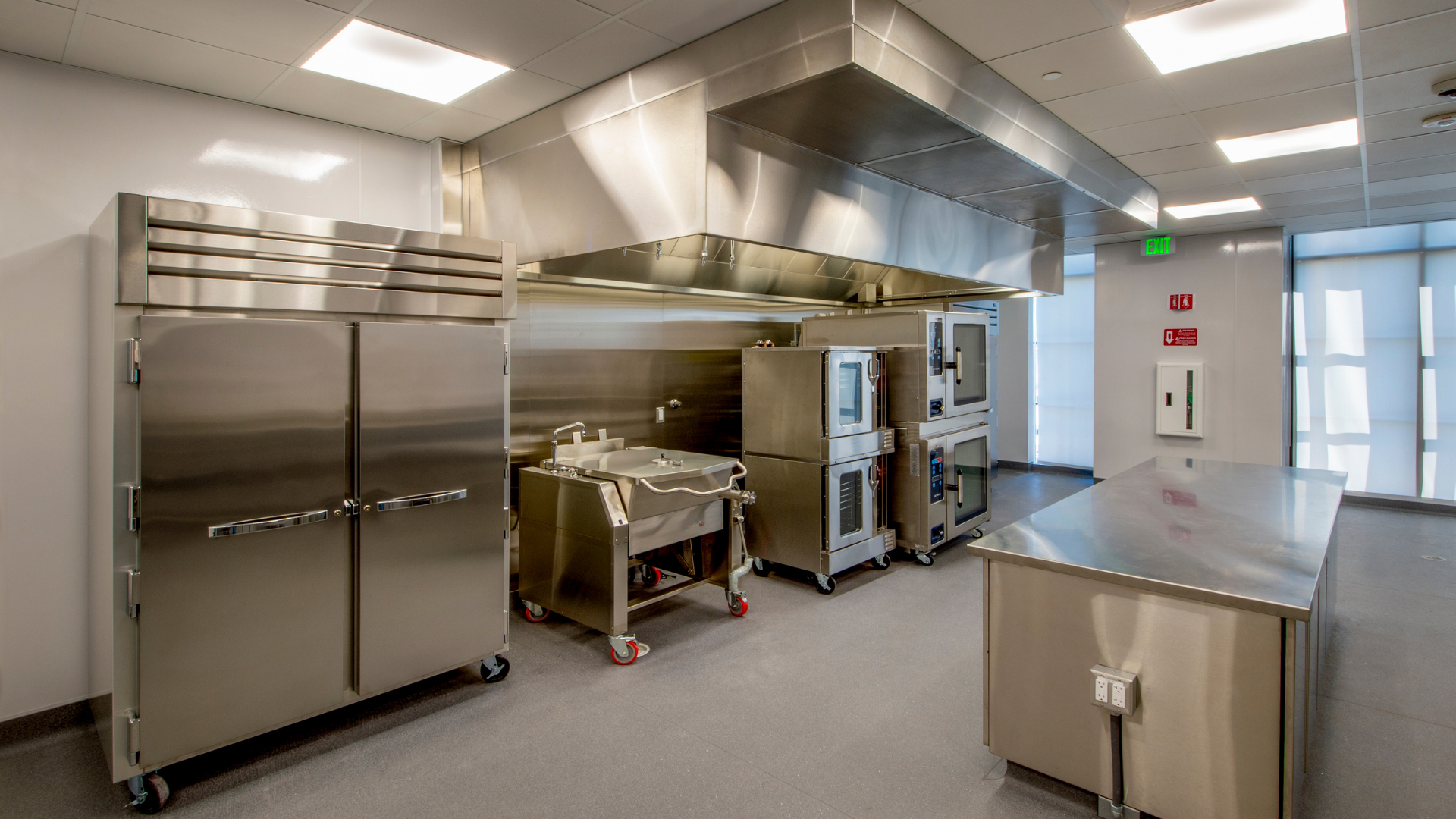
At Coast 2 Coast Solutions, we help restaurant groups simplify commercial kitchen rollout projects by coordinating installation, equipment integration, and project management through a structured turnkey approach. The goal is to create a smoother expansion process while maintaining consistency across locations.
What Is a Turnkey Rollout Service?
A turnkey rollout service is designed to manage multiple aspects of a commercial kitchen expansion under one coordinated system. Rather than relying on separate vendors to independently manage equipment delivery, installation, scheduling, and project coordination, turnkey services centralize the process.
This creates a more organized workflow where communication, timelines, and installation standards remain aligned throughout the project.
For restaurant groups expanding into multiple locations, this level of coordination becomes increasingly important as the number of moving parts grows.
Expansion Projects Involve Significant Coordination
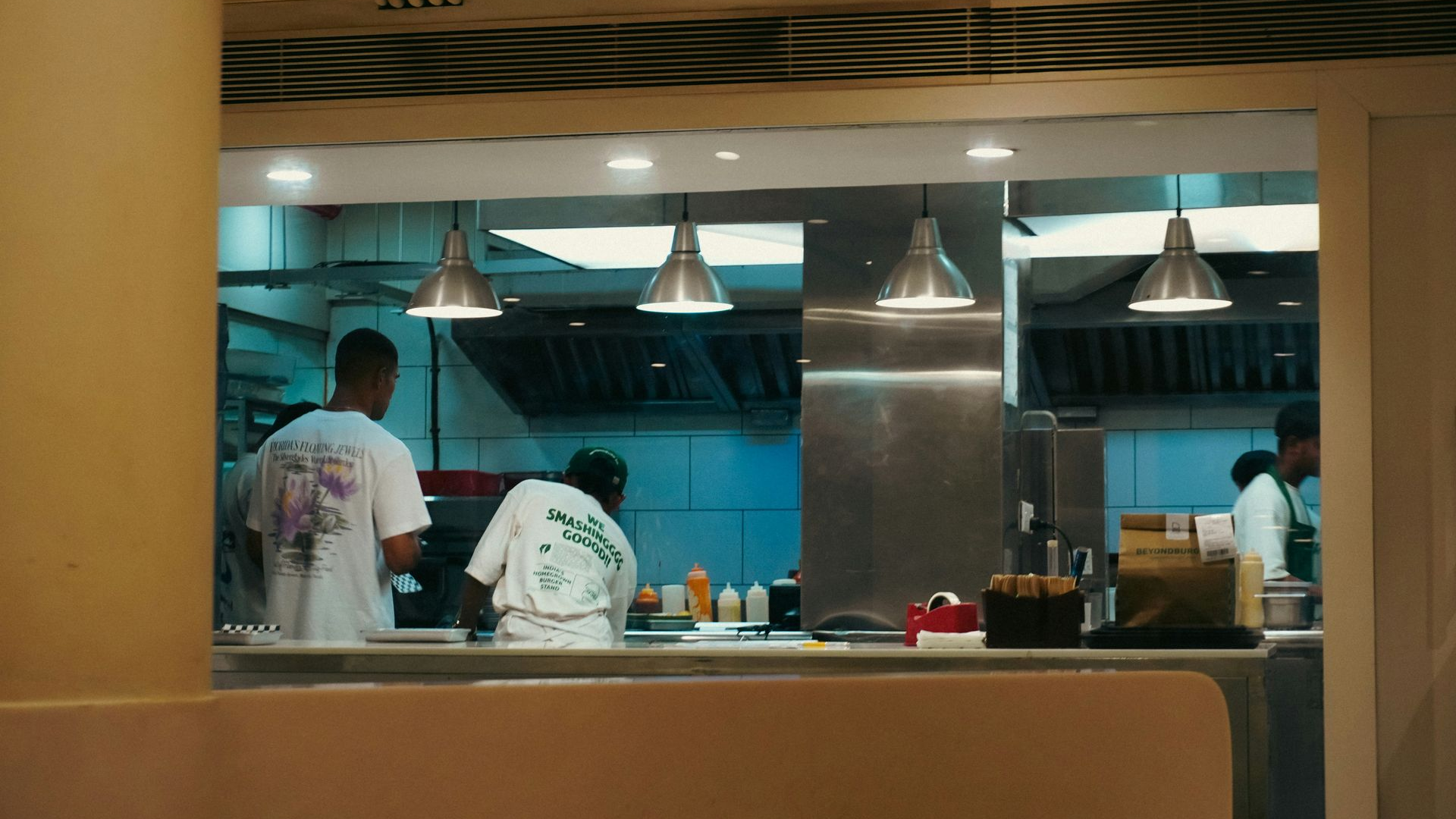
Opening a new restaurant location requires precise timing between multiple teams and suppliers. Kitchen equipment must arrive on schedule, utilities must be prepared correctly, installation crews must coordinate with contractors, and the operational layout must match the brand’s standards.
Without centralized coordination, delays in one area can quickly affect the entire project timeline.
For example:
- Equipment delivery delays may postpone installation
- Incomplete utility preparation may slow kitchen setup
- Scheduling conflicts may affect opening dates
- Inconsistent layouts may disrupt workflow between locations
Turnkey rollout management helps reduce these risks by organizing the project under a single coordinated structure.
Consistency Matters Across Locations
One of the biggest priorities for expanding restaurant brands is maintaining operational consistency. Customers expect a similar experience regardless of which location they visit.
This consistency begins behind the scenes in the kitchen itself.
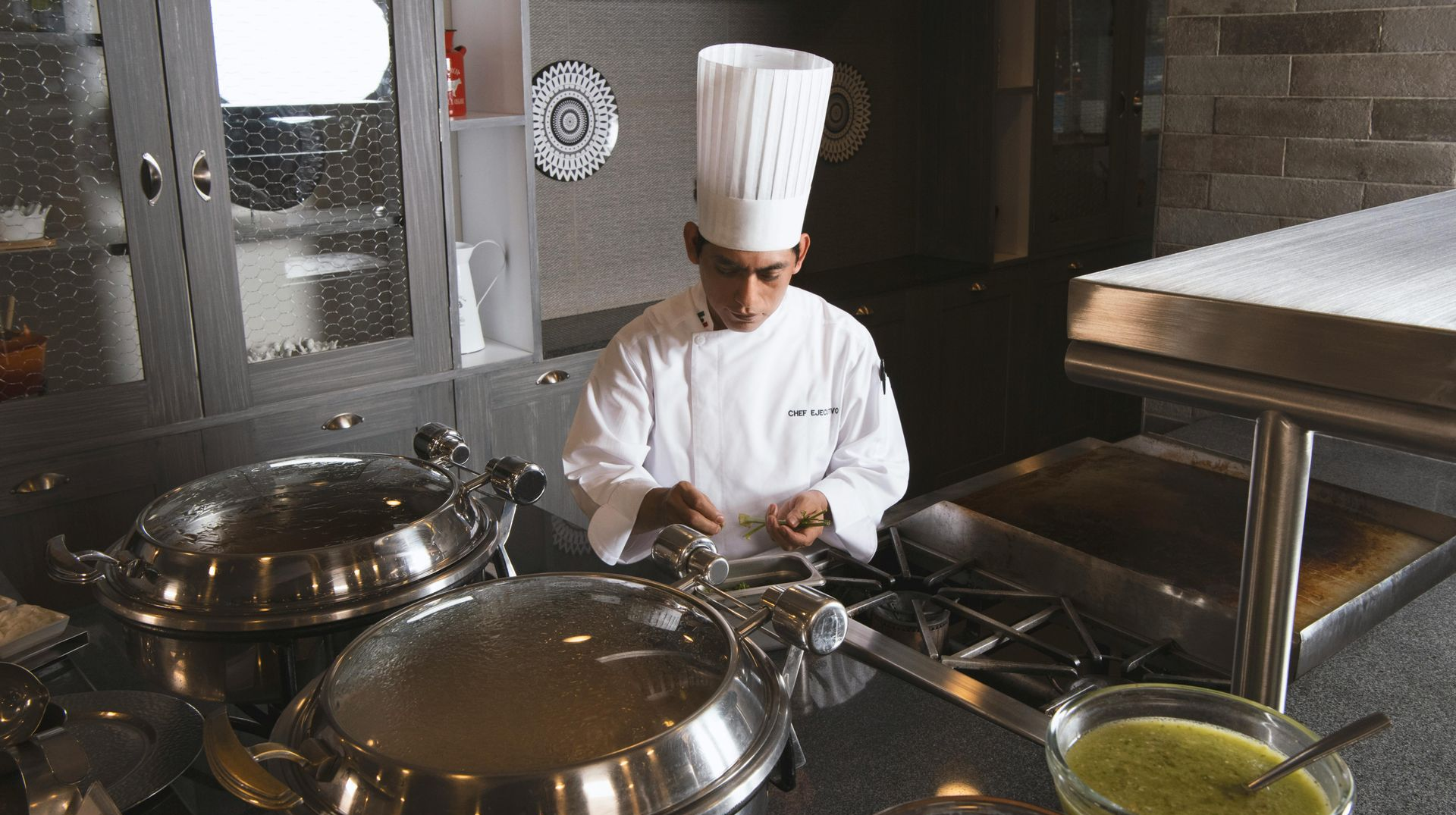
Standardized kitchen layouts, equipment placement, and workflow design help ensure that each location operates similarly. Consistent systems also simplify employee training because staff members can move between locations more easily when kitchens are designed around the same operational structure.
Turnkey rollout services help maintain these standards throughout the expansion process.
Simplifying Vendor Coordination
Restaurant rollout projects often involve multiple suppliers, contractors, and service providers. Coordinating these relationships independently can become time-consuming and difficult for restaurant ownership groups already focused on operations and growth.
A turnkey approach helps streamline communication by creating a centralized point of coordination throughout the project. This reduces confusion while helping ensure that installation schedules, equipment integration, and project timelines remain aligned. Simplified coordination often leads to fewer delays and smoother project execution overall.
Reducing Operational Disruption
For existing restaurant brands expanding rapidly, minimizing operational disruption is critical. Ownership groups must balance growth while continuing to operate current locations successfully.
Turnkey rollout services help reduce administrative burden by managing many of the logistical details associated with commercial kitchen installations. This allows restaurant operators to remain focused on staffing, customer experience, and day-to-day business operations during the expansion process.
Supporting Long-Term Scalability
As restaurant groups continue growing, scalability becomes increasingly important. Expansion systems that work for one or two locations may become difficult to manage efficiently across larger regional or national growth projects.
Structured rollout systems help create repeatable processes that support future expansion more effectively. Standardized installation procedures, coordinated equipment integration, and consistent operational planning all contribute to more manageable long-term growth.
At Coast 2 Coast Solutions, we help restaurant groups build scalable rollout strategies designed to support both current projects and future expansion goals.
Why Experience Matters in Rollout Projects
Commercial kitchen rollout projects involve much more than basic installation work. Successful expansion depends on organization, scheduling, communication, and understanding how restaurant operations function in real working environments.
At Coast 2 Coast Solutions, we provide turnkey rollout services designed specifically for commercial kitchen expansion projects. Our team helps coordinate the installation process from planning through execution while supporting operational consistency across locations.
Building More Efficient Restaurant Expansions
Restaurant expansion becomes significantly more manageable when rollout projects are approached through a coordinated and structured system. Turnkey rollout services simplify logistics, improve consistency, and help reduce unnecessary delays during multi-location growth.
If your restaurant group is preparing for a kitchen rollout or expansion project, Coast 2 Coast Solutions can help streamline the process through professional commercial kitchen rollout and installation services designed for long-term operational success.