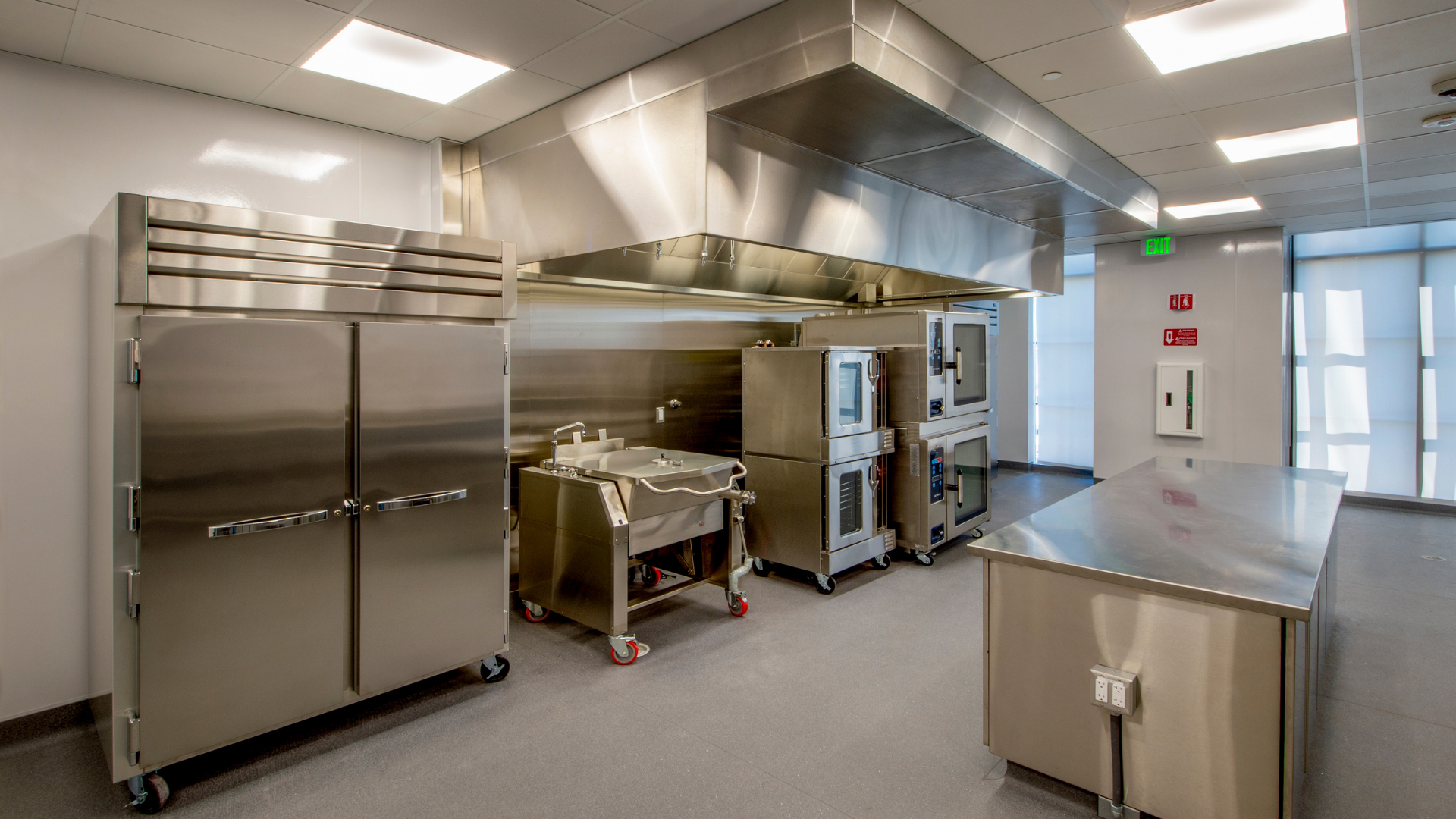
How to Plan a Kitchen Renovation Without Disrupting Operations
Renovating a commercial kitchen presents a unique challenge. Unlike other types of construction projects, kitchens are the operational core of a business. Shutting down entirely is often not practical, and even short interruptions can affect revenue, staffing, and customer experience. The key is not avoiding renovation, but planning it in a way that minimizes disruption while still delivering meaningful improvements.
At Coast 2 Coast Solutions, renovation projects are approached with a clear understanding that the kitchen must continue to function as efficiently as possible throughout the process.
Start With a Detailed Operational Assessment
Before any renovation begins, it is essential to understand how the kitchen currently operates. This includes identifying peak service times, workflow patterns, and areas where staff rely most heavily on specific equipment or stations.
By mapping out daily operations, it becomes easier to determine which parts of the kitchen can be addressed without interrupting critical functions. This assessment also helps identify opportunities to improve efficiency during the renovation itself.
A clear picture of how the kitchen runs is the foundation for planning a project that works around it.

Consider a Phased Renovation Approach
One of the most effective ways to reduce disruption is to break the renovation into phases. Instead of attempting to complete all work at once, the project is divided into manageable sections that can be addressed individually.
This allows certain areas of the kitchen to remain operational while others are being upgraded. For example, prep areas, cooking stations, or storage zones can be renovated at different times, depending on their role in daily service.
Phasing requires careful coordination, but it provides the flexibility needed to keep the kitchen running.
Schedule Work Around Business Hours
Timing plays a critical role in minimizing disruption. Whenever possible, renovation work should be scheduled during off-peak hours or periods of reduced activity.
This may include overnight work, early morning shifts, or days when the kitchen is typically less busy. Aligning construction schedules with operational patterns helps reduce the impact on staff and customers.
While this approach may extend the timeline of the project, it allows the business to continue functioning with minimal interruption.

Maintain Temporary Workflows
During renovation, certain areas of the kitchen may be temporarily unavailable. Planning for these changes in advance is essential.
Temporary workstations, adjusted prep areas, and modified service flows can help maintain productivity while work is being completed. These adjustments should be designed to support staff efficiency and safety, even if they are only in place for a short time.
Clear communication with staff is also important, ensuring that everyone understands how operations will be managed during each phase.
Prioritize Critical Systems First
Some upgrades have a more immediate impact on performance than others. Identifying and prioritizing these systems helps ensure that the most important improvements are completed early in the process.
This may include key cooking equipment, refrigeration, or ventilation systems that directly affect daily operations. Addressing these elements first can improve efficiency even before the full renovation is complete.
A strategic approach to prioritization helps maximize the value of each phase.

Coordinate Design and Execution
One of the most common causes of disruption in renovation projects is a lack of coordination between design and construction. When plans are not aligned with real-world conditions, adjustments must be made during the project, which can lead to delays and operational challenges.
A coordinated approach ensures that design decisions are practical and that installation is carried out according to plan. This reduces the likelihood of unexpected issues and keeps the project on track.
Working with a single team that manages both design and execution simplifies this process and improves overall efficiency.

Keep the Long-Term Goal in Focus
While minimizing disruption is important, it should not come at the expense of long-term performance. Renovation decisions should still be guided by how the kitchen will function once the project is complete.
Balancing short-term adjustments with long-term goals ensures that the final result delivers meaningful improvements in workflow, efficiency, and capacity.
A Structured Approach to Renovation
Coast 2 Coast Solutions specializes in turnkey kitchen renovation projects that are designed to align with real-world operations. By managing every stage of the process, from planning through installation, the team helps ensure that renovations are completed efficiently and with minimal disruption.
If you are considering a kitchen renovation and want to maintain continuity throughout the process, contact Coast 2 Coast Solutions to develop a plan that supports both your current operation and your future growth.