Why Some Kitchens Struggle During Rush Hours and How Design Solves It
The Problem of Bottlenecks
- Prep, cooking, and plating areas overlap
- Multiple staff members rely on the same workspace
- Equipment is placed without considering workflow
Inefficient Movement Between Stations
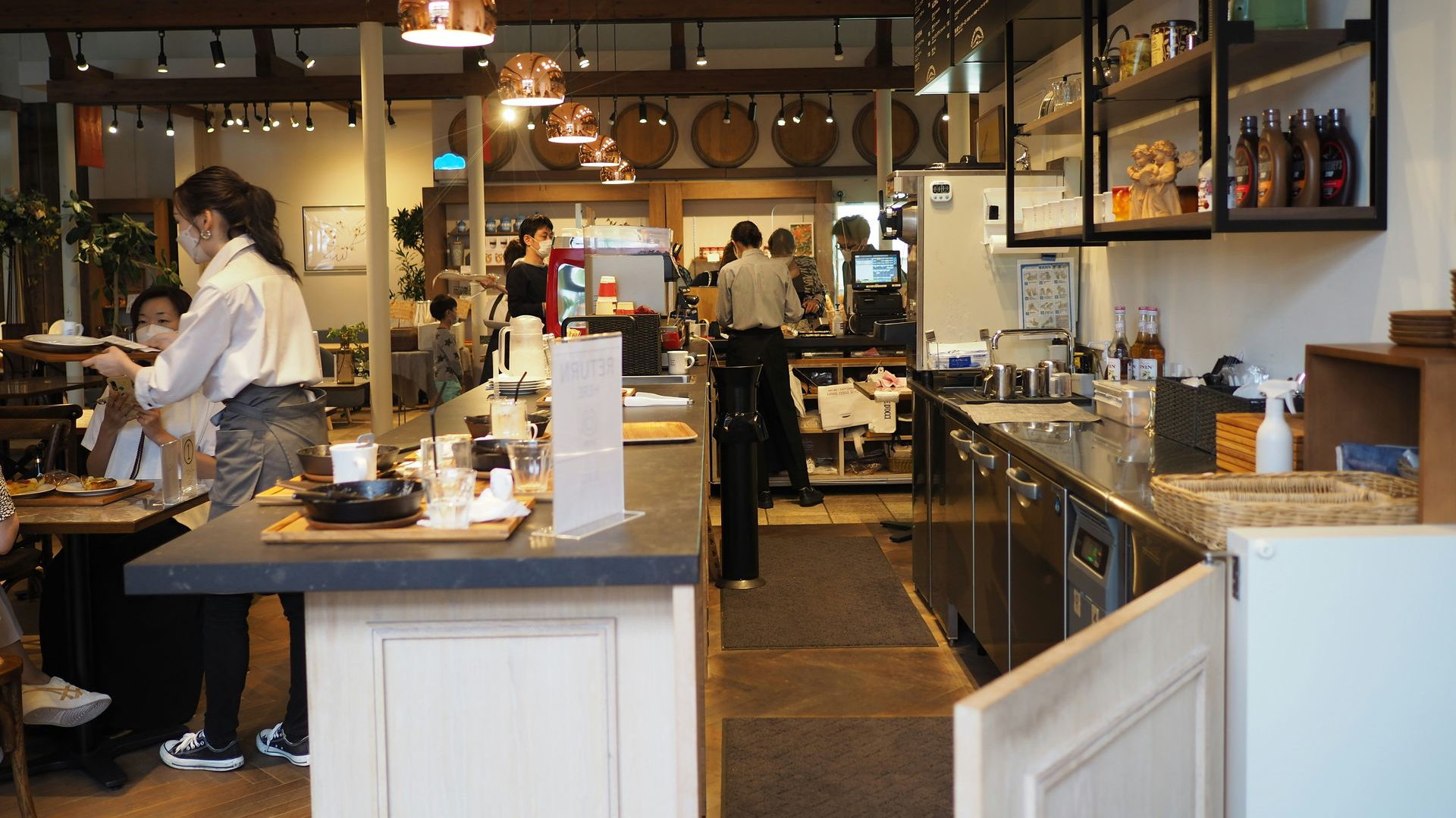
A well-functioning kitchen depends on smooth transitions between stations. During rush hours, even small delays in movement can add up quickly.
Poor layout design may require staff to:
- Walk longer distances between tasks
- Cross paths with other team members frequently
- Navigate around obstacles or equipment
This not only slows down service but can also increase the risk of errors. Efficient design minimizes unnecessary movement and keeps workflows direct and predictable.
Equipment Placement and Accessibility
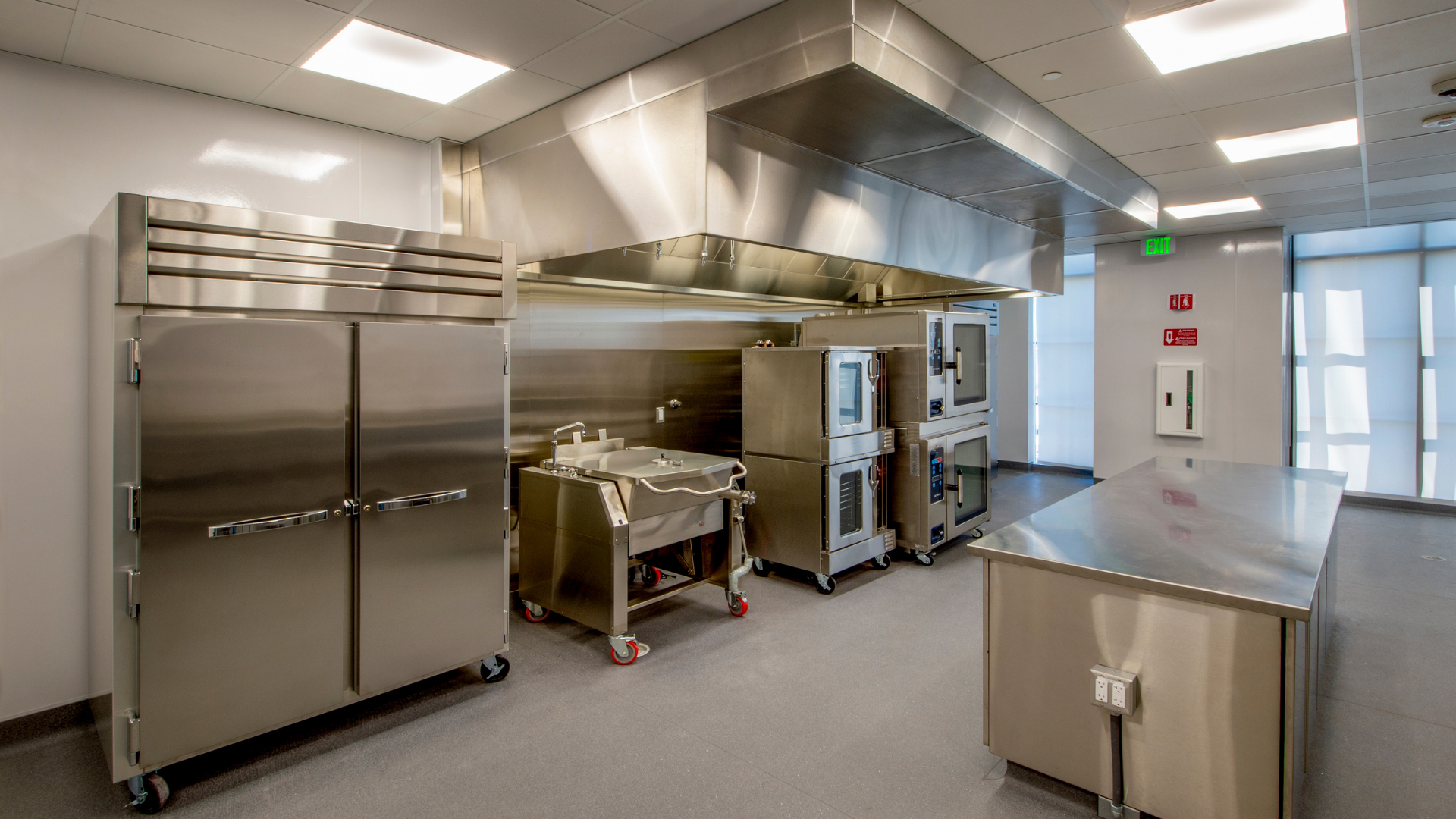
Equipment is a central part of kitchen operations, but its placement can either support or hinder efficiency. When equipment is not positioned with workflow in mind, it can create unnecessary challenges.
Common issues include:
- Key equipment being too far from related workstations
- Limited access to shared appliances during peak use
- Overcrowding in areas where multiple functions take place
Strategic placement ensures that equipment supports the natural flow of work rather than interrupting it.
Communication Breakdowns
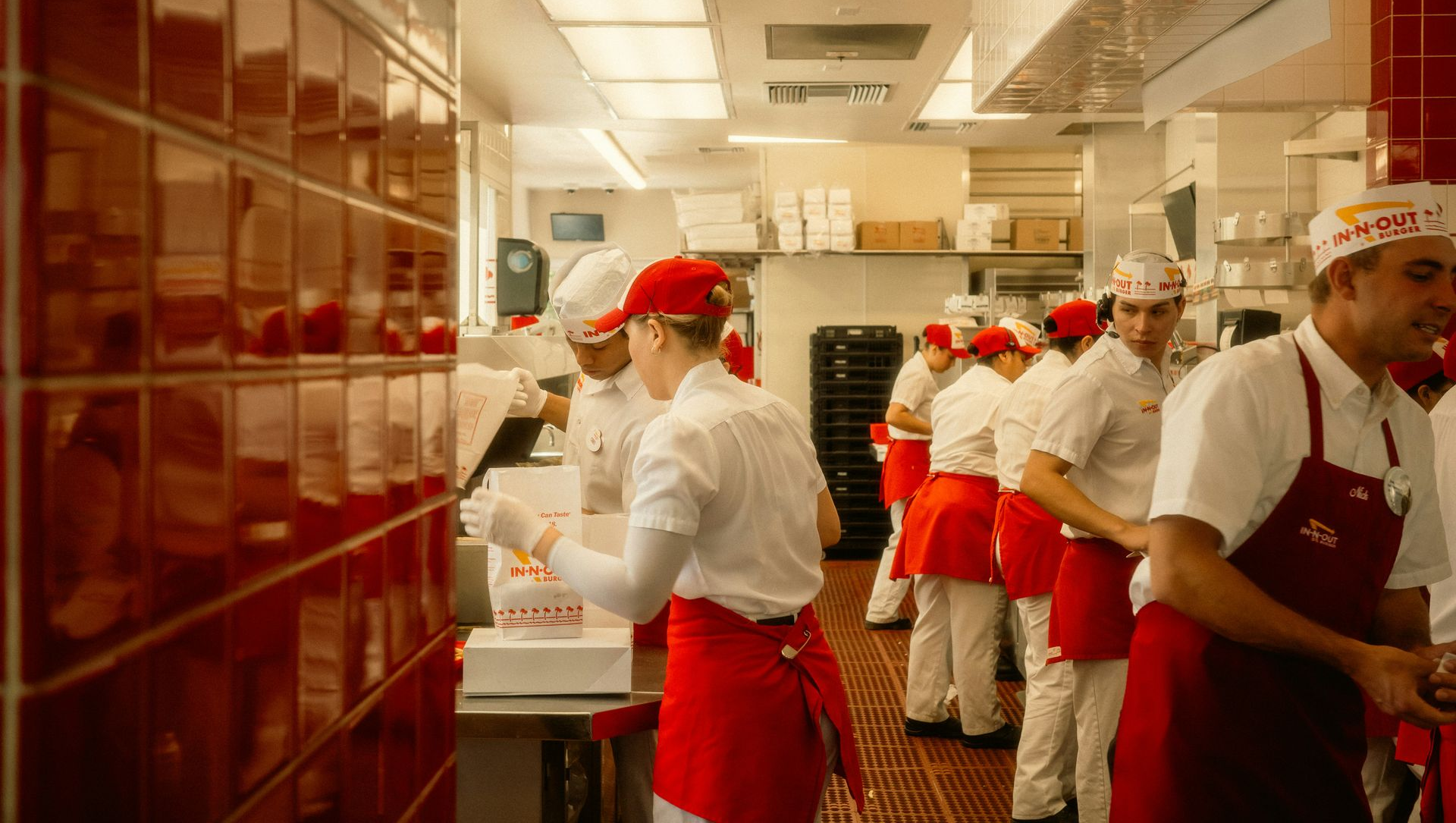
Clear communication is essential during busy periods. When the kitchen layout does not support visibility or easy interaction, communication can become more difficult.
Design-related communication challenges may include:
- Limited line of sight between stations
- Excessive noise caused by cramped layouts
- Physical barriers that separate key areas
These factors can lead to misunderstandings, delayed responses, and a less coordinated team effort.
The Impact of Overcrowding
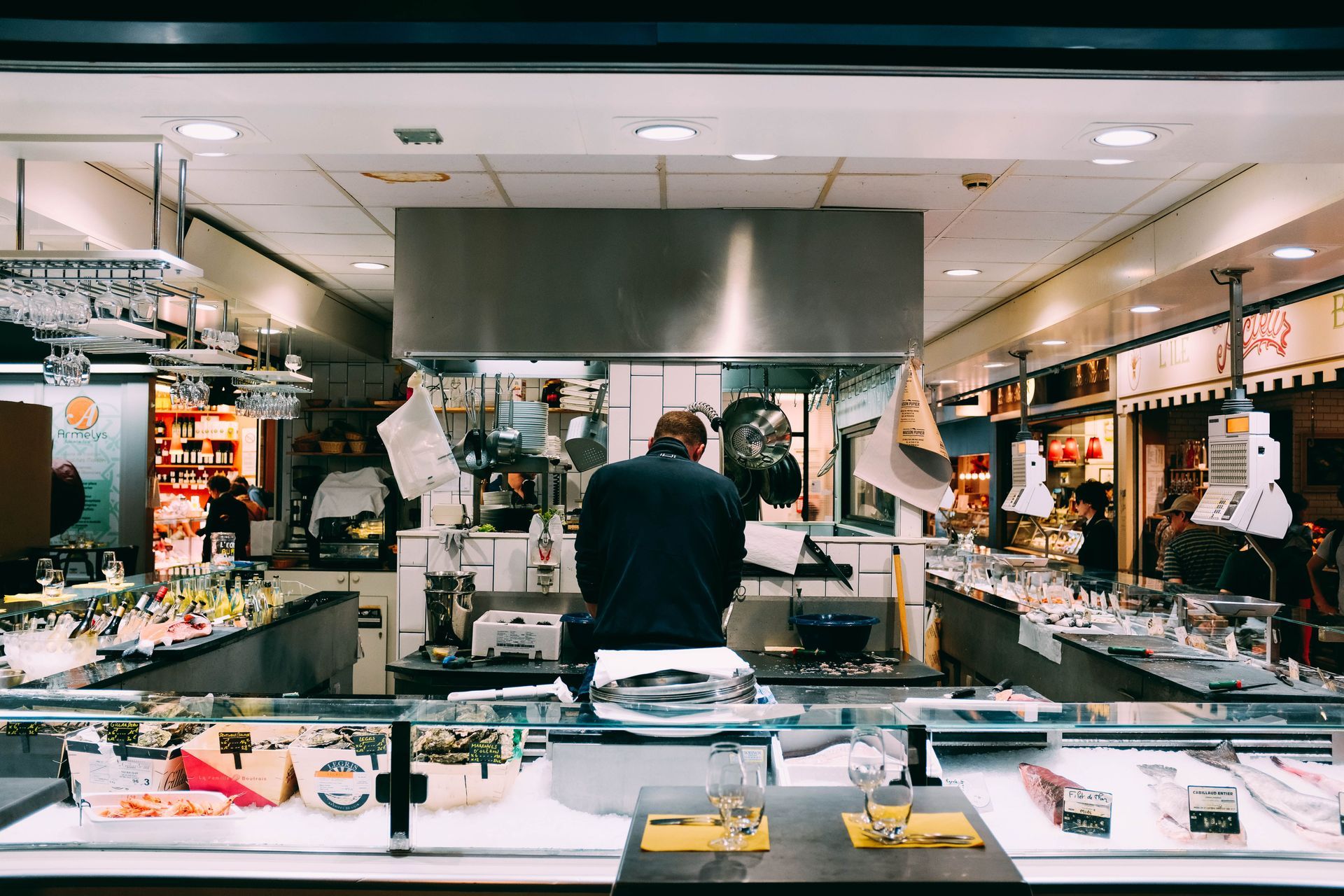
Overcrowding is a common issue in kitchens that were not designed for peak demand. When too many functions are packed into a limited space, it becomes difficult to maintain efficiency.
Overcrowded kitchens often experience:
- Reduced workspace for each team member
- Increased risk of collisions or delays
- Slower overall output
A well-designed kitchen allocates space based on function, ensuring that each area can operate effectively even during high-volume periods.
How Design Solves These Challenges
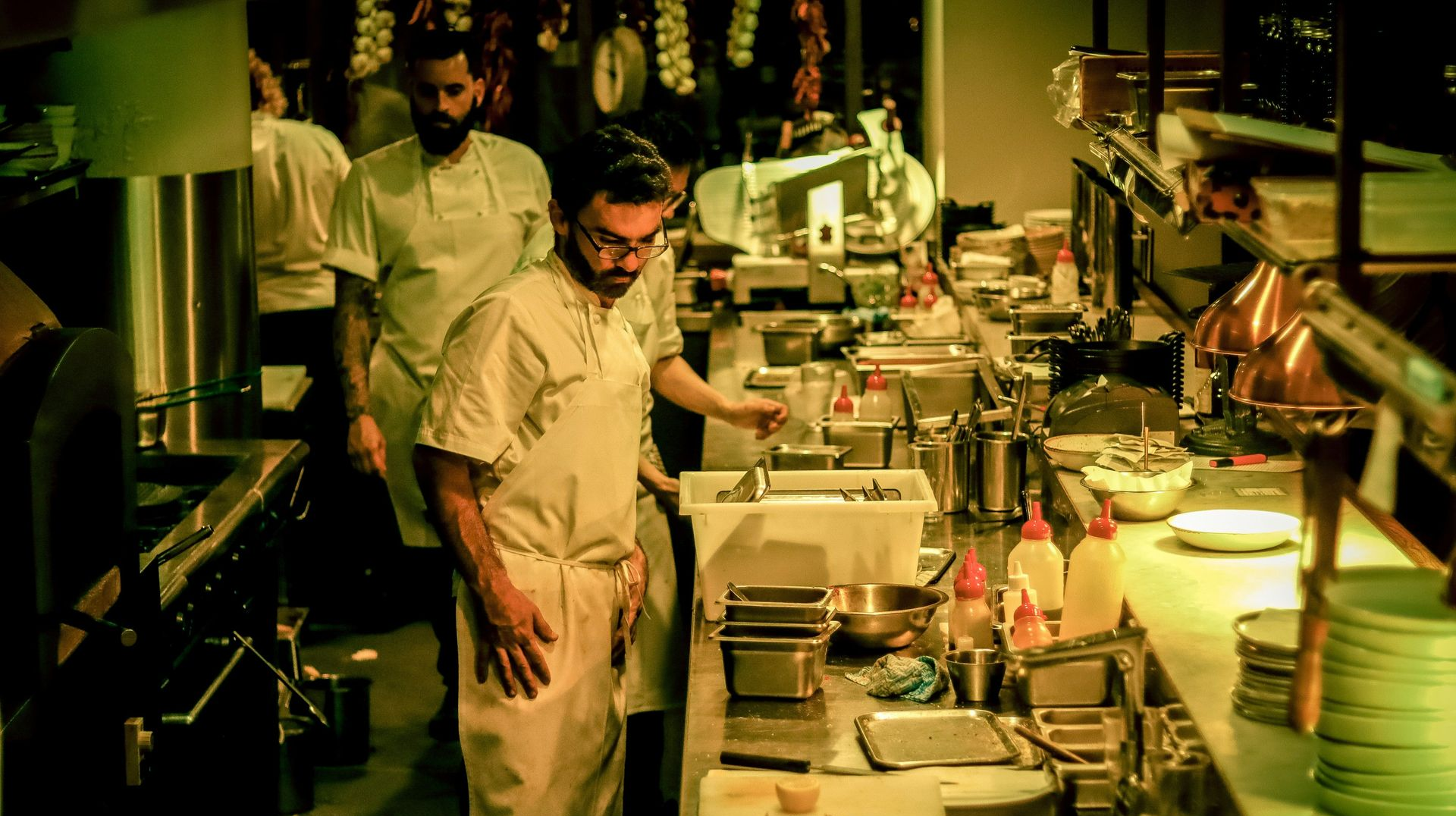
Turnkey kitchen design addresses these issues by planning the layout around workflow from the beginning. Instead of adapting to the space, the design is built to support the way the kitchen operates.
Key design considerations include:
- Clearly defined zones for prep, cooking, and plating
- Logical placement of equipment based on usage
- Efficient pathways that reduce unnecessary movement
By aligning the layout with the demands of service, the kitchen is better equipped to handle peak periods.
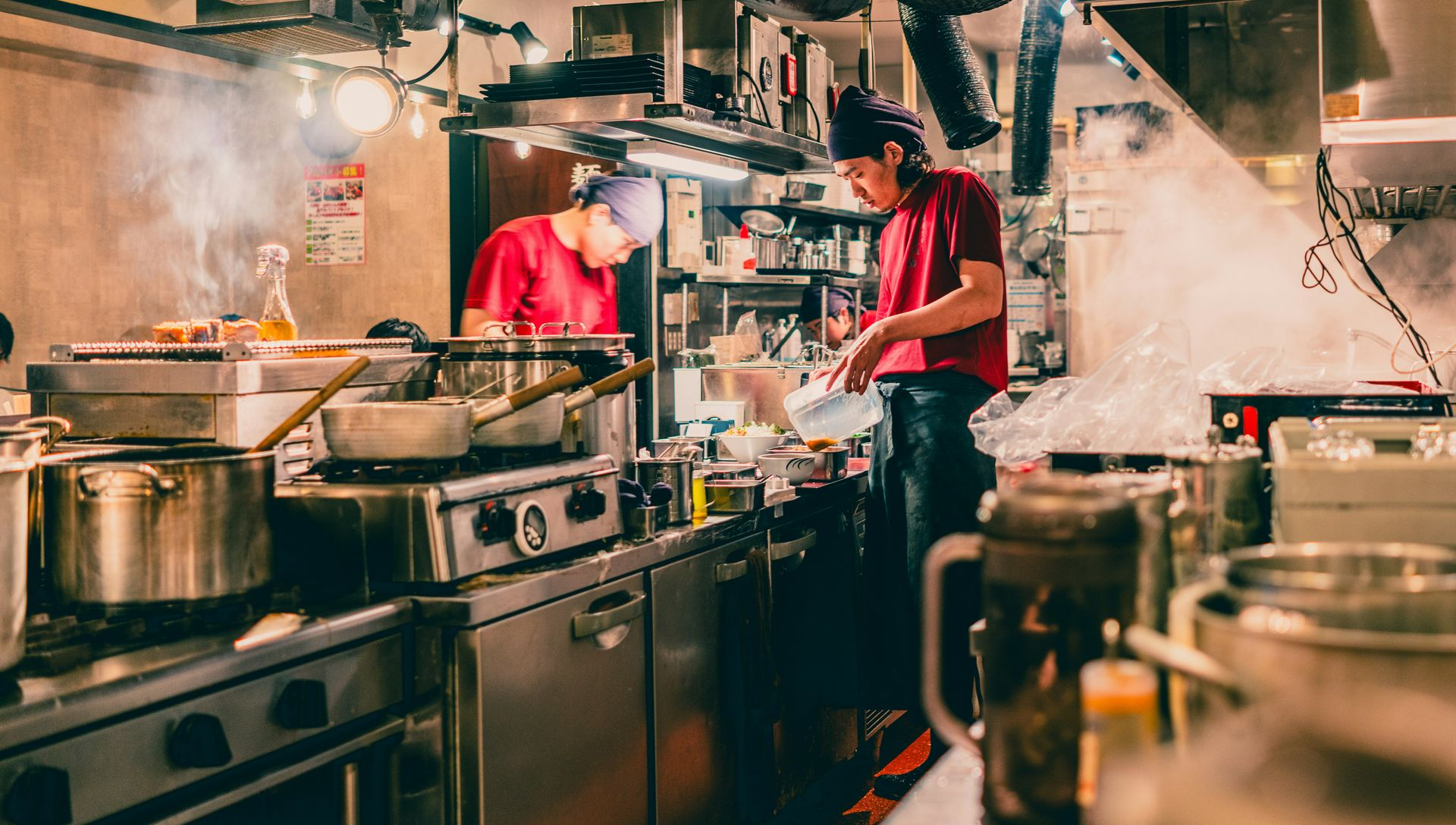
Planning for Peak Performance
A common mistake is designing a kitchen based on average demand rather than peak demand. While this may seem practical, it can lead to limitations when the restaurant is at its busiest.
Designing for peak performance ensures that:
- The kitchen can handle increased volume without disruption
- Staff can maintain consistent output under pressure
- Service remains efficient even during high-demand periods
This approach creates a more reliable and scalable operation.
A More Efficient Path to Consistent Service
Rush hour challenges are often a reflection of underlying design issues rather than temporary conditions. By addressing layout, workflow, and equipment placement, these challenges can be significantly reduced.
Coast 2 Coast Solutions specializes in turnkey restaurant kitchen design, creating layouts that support efficiency, communication, and consistent performance. If your goal is to build a kitchen that performs at its best during peak hours, contact Coast 2 Coast Solutions to develop a design that works from day one.