Why Utility Planning Is the Backbone of Every Commercial Kitchen
When planning a commercial kitchen, much of the attention naturally goes toward layout, equipment selection, and workflow design. While these elements are essential, there is another critical component that often receives less visibility but has an even greater impact on long-term performance: utility planning. Electrical systems, gas lines, water supply, drainage, and ventilation all form the foundation that allows a kitchen to function safely and efficiently.
Without proper utility planning, even the most thoughtfully designed kitchen can experience operational issues, safety concerns, and costly delays. Understanding the importance of utilities early in the design process helps ensure that a kitchen is built to perform reliably from day one.
Electrical Capacity and Distribution
Electrical planning is one of the most important aspects of kitchen design. Modern commercial kitchens rely on a wide range of electrically powered equipment, from refrigeration systems to lighting and specialized appliances.
If the electrical system is not designed with sufficient capacity, it can lead to overloaded circuits, frequent interruptions, or the inability to support new equipment. Proper load calculations are essential to determine how much power the kitchen requires.
In addition to capacity, the placement of outlets and panels must be carefully considered. Equipment should be positioned so that power connections are accessible without creating clutter or safety hazards.

Gas Line Planning
Many commercial kitchens rely on gas-powered equipment such as ranges, ovens, and fryers. Gas line planning must ensure that each appliance receives a consistent and adequate supply.
Improperly sized or poorly routed gas lines can affect equipment performance and create safety risks. In some cases, insufficient gas supply may prevent equipment from operating at full capacity.
Planning gas lines early allows designers to align equipment placement with available supply and ensure that all systems function efficiently.
Water Supply and Drainage
Water is essential for food preparation, cleaning, and sanitation. Sinks, dishwashers, ice machines, and other equipment all depend on reliable water connections.
Equally important is drainage. Commercial kitchens generate significant amounts of wastewater, and proper drainage systems are necessary to manage this flow safely.
Poor drainage design can lead to backups, sanitation issues, and operational disruptions. Planning water supply and drainage together helps ensure that these systems work seamlessly.

Ventilation and Airflow
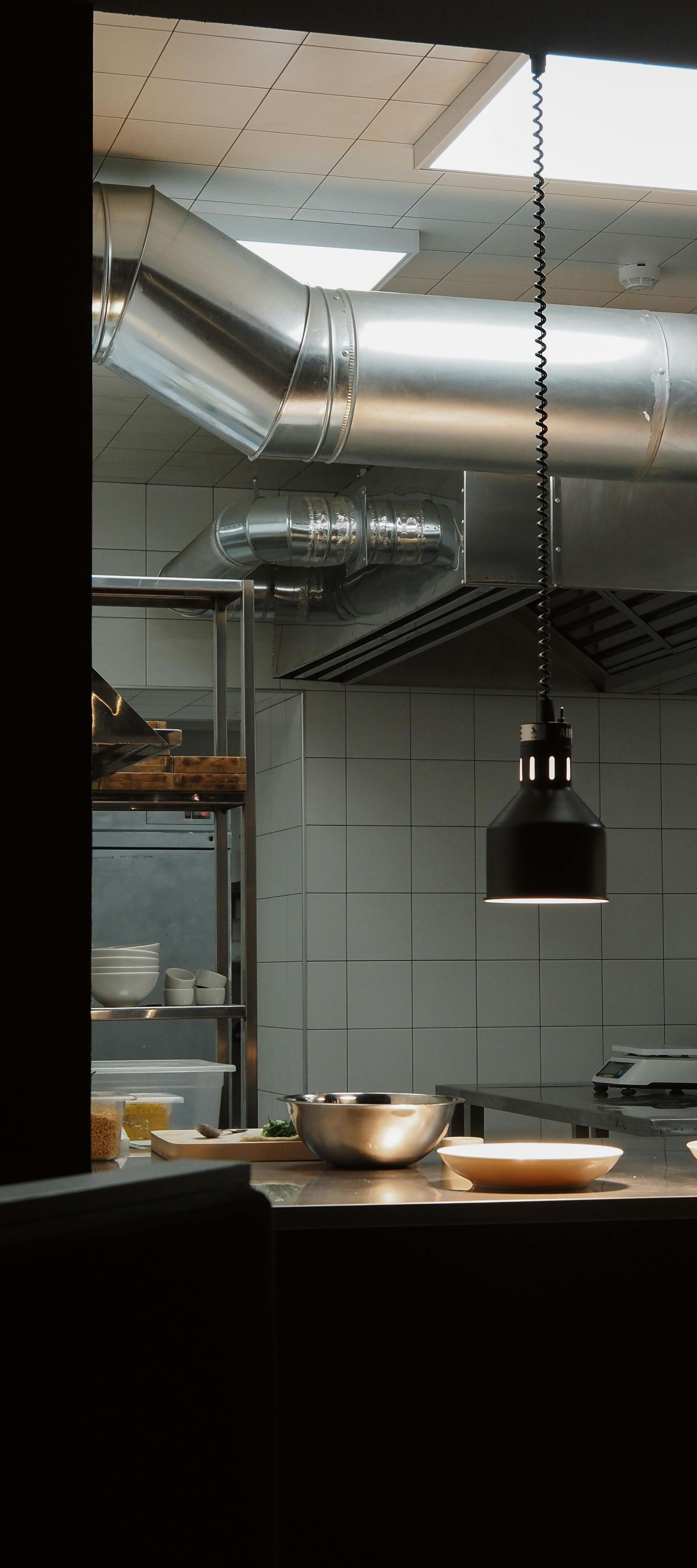
Ventilation is a critical but often underestimated component of utility planning. Cooking equipment generates heat, smoke, grease, and odors that must be properly managed.
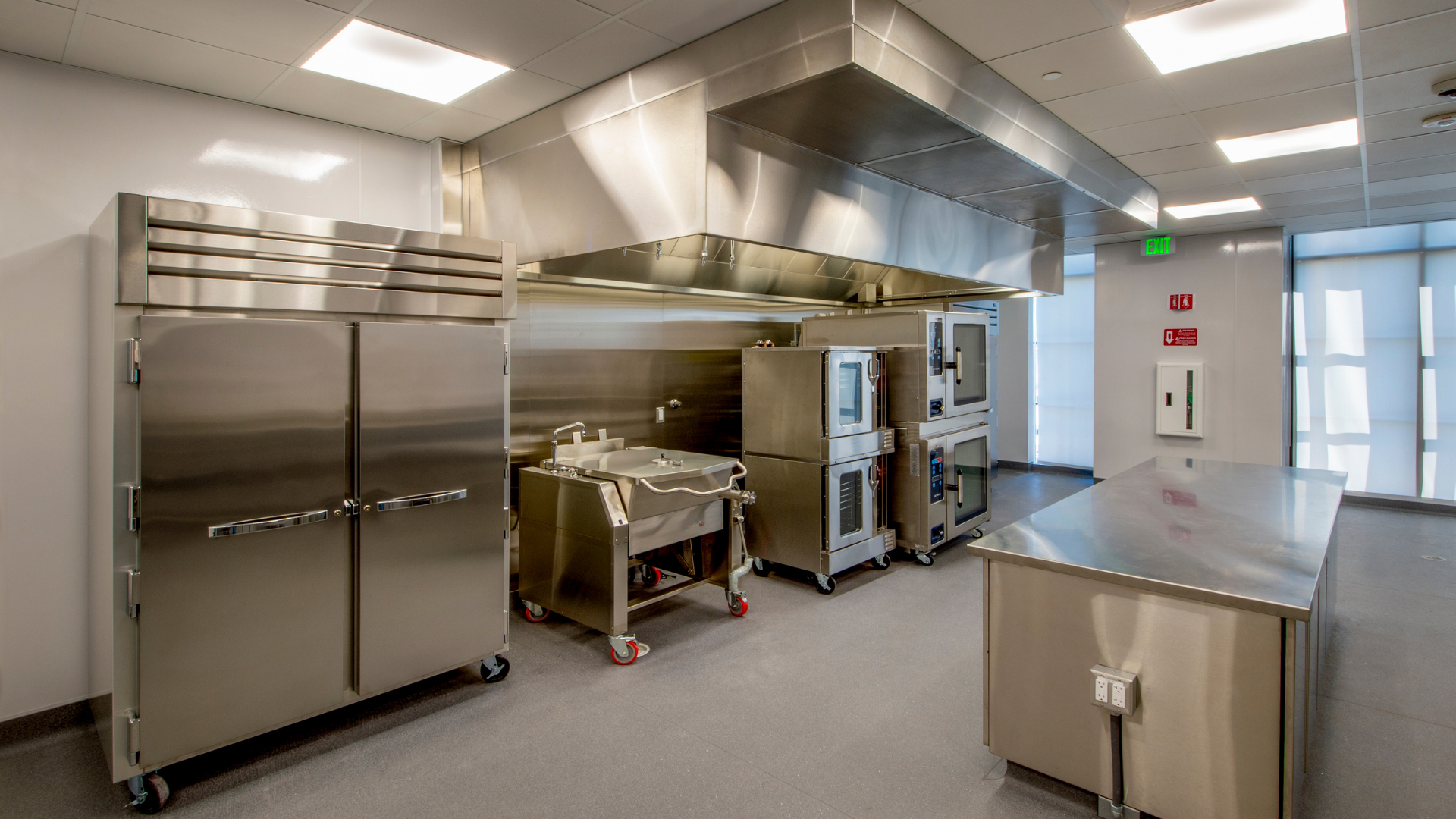
Ventilation systems, including hoods and exhaust systems, are designed to remove these byproducts and maintain a safe working environment. Without adequate ventilation, kitchens can become uncomfortable, unsafe, and non-compliant with regulations.
Proper planning ensures that ventilation systems are correctly sized and positioned to support the equipment being used.

Avoiding Costly Changes Later
One of the biggest challenges in commercial kitchen projects occurs when utility needs are addressed too late in the process. Relocating electrical lines, gas connections, or plumbing after construction has begun can be expensive and time-consuming.
By planning utilities at the beginning of the project, these issues can be avoided. Early coordination allows for a smoother construction process and reduces the likelihood of unexpected costs.
Supporting Long-Term Flexibility
Utility planning also affects a kitchen’s ability to adapt over time. As menus change or equipment is upgraded, the existing utility infrastructure must be able to support new demands.
Designing with flexibility in mind allows operators to make changes without major renovations. This may include installing additional capacity or planning for future equipment needs.

Professional Planning Makes the Difference
Utility planning requires technical expertise and a clear understanding of how kitchens operate in real-world conditions. Every connection, measurement, and placement decision plays a role in the overall functionality of the space.
At Coast 2 Coast Solutions, we approach kitchen design with a focus on complete system integration. Our team ensures that electrical, gas, plumbing, and ventilation systems are carefully planned to support both current operations and future growth.
Building a Strong Foundation
A commercial kitchen is only as reliable as the systems that support it. Utility planning forms the backbone of the entire operation, providing the infrastructure needed for equipment, workflow, and safety.
When utilities are properly designed and integrated, kitchens operate more efficiently, experience fewer disruptions, and remain adaptable over time. Investing in thoughtful utility planning from the beginning helps ensure long-term success and performance.