Designing Kitchens That Reduce Bottlenecks During Peak Hours
Keep Service Flowing During Busy Hours
In any commercial kitchen, peak service hours reveal the true effectiveness of the design. A kitchen that appears functional during slower periods can quickly become congested, inefficient, and stressful when demand increases. Bottlenecks during peak hours do not just slow down service, they impact food quality, staff performance, and overall customer satisfaction.
Reducing these bottlenecks starts long before the first meal is served. It begins with thoughtful kitchen design that prioritizes movement, workflow, and coordination. When a kitchen is designed with peak demand in mind, it allows staff to operate more efficiently even under pressure.
Understanding Where Bottlenecks Occur
Bottlenecks typically form in areas where multiple tasks overlap or where space is limited. Common problem zones include cooking lines, prep stations, plating areas, and pathways between workstations.
During peak hours, staff must move quickly between tasks. If multiple team members are forced to share the same space or wait for access to equipment, delays begin to build. These delays can quickly compound, slowing down the entire operation.
Identifying where congestion is most likely to occur is the first step in designing a more efficient kitchen.
Creating Clear Workflow Paths
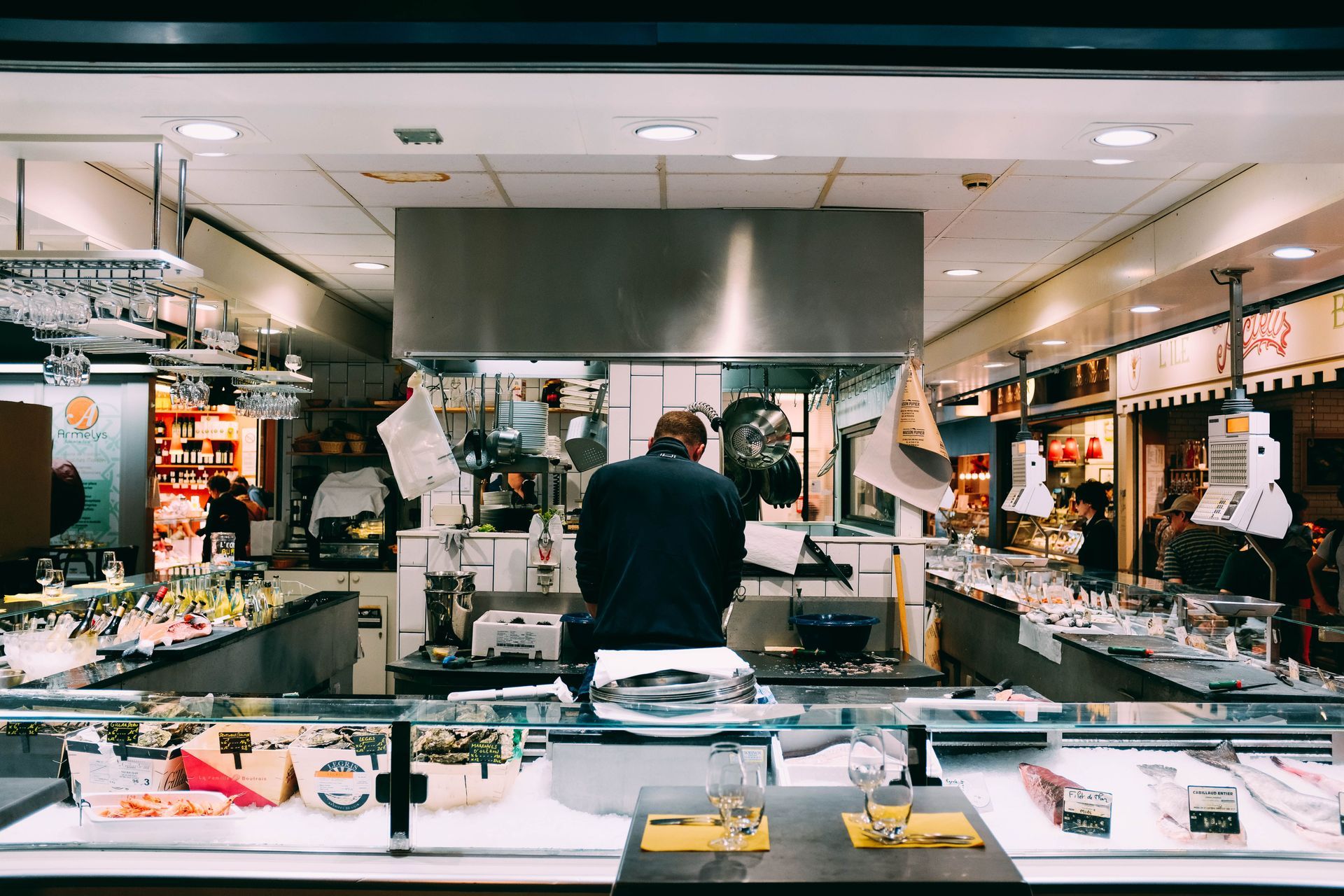
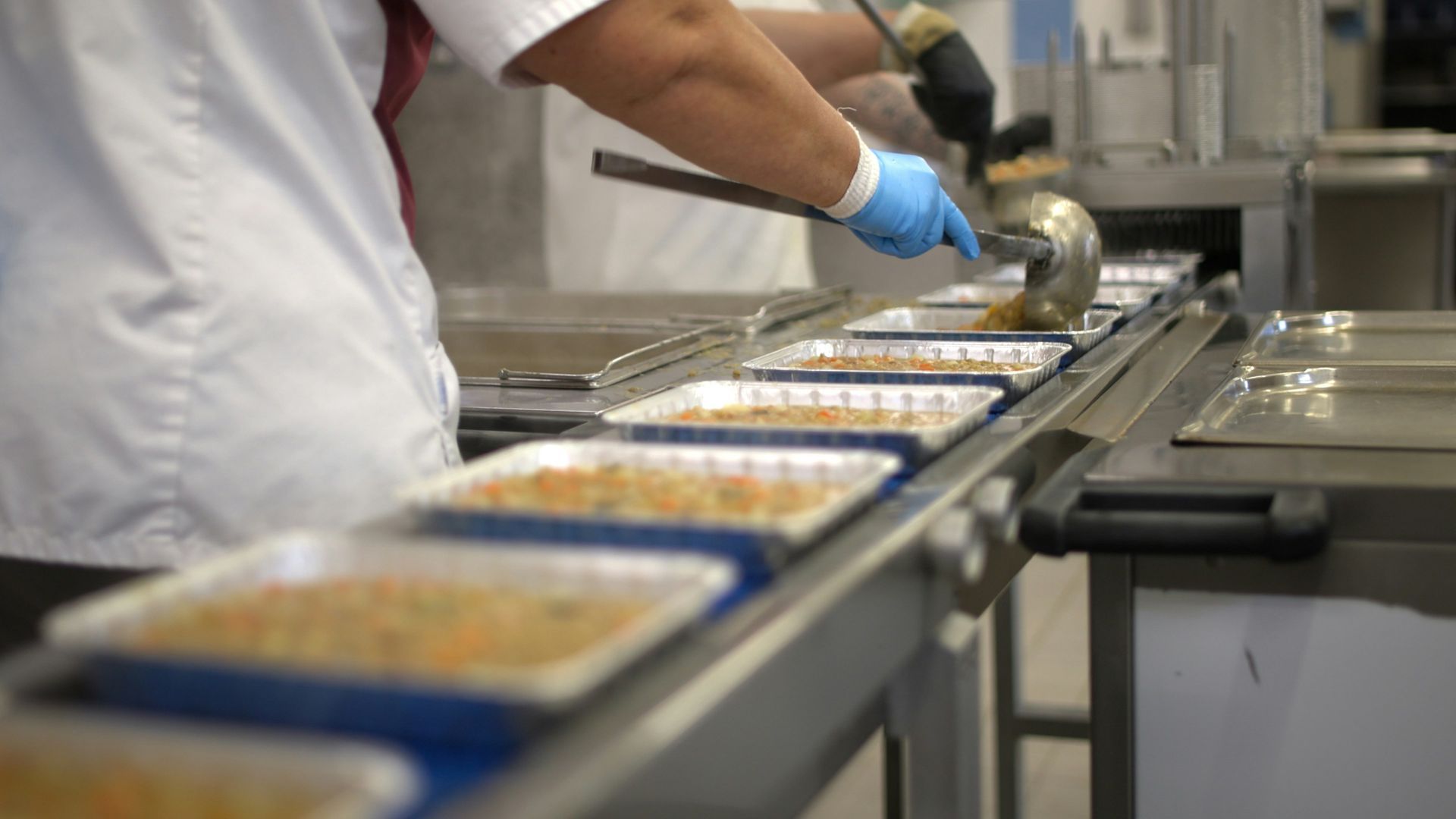
A well-designed kitchen follows a logical sequence from storage to preparation, cooking, and service. Each stage should flow naturally into the next without unnecessary backtracking or crossover traffic.
When staff must cross paths frequently, the risk of collisions, delays, and mistakes increases. Clear workflow paths help reduce confusion and allow team members to move efficiently through their tasks.
Separating key areas such as prep, cooking, and plating ensures that each function has enough space to operate independently while still remaining connected to the overall process.
Proper Equipment Placement
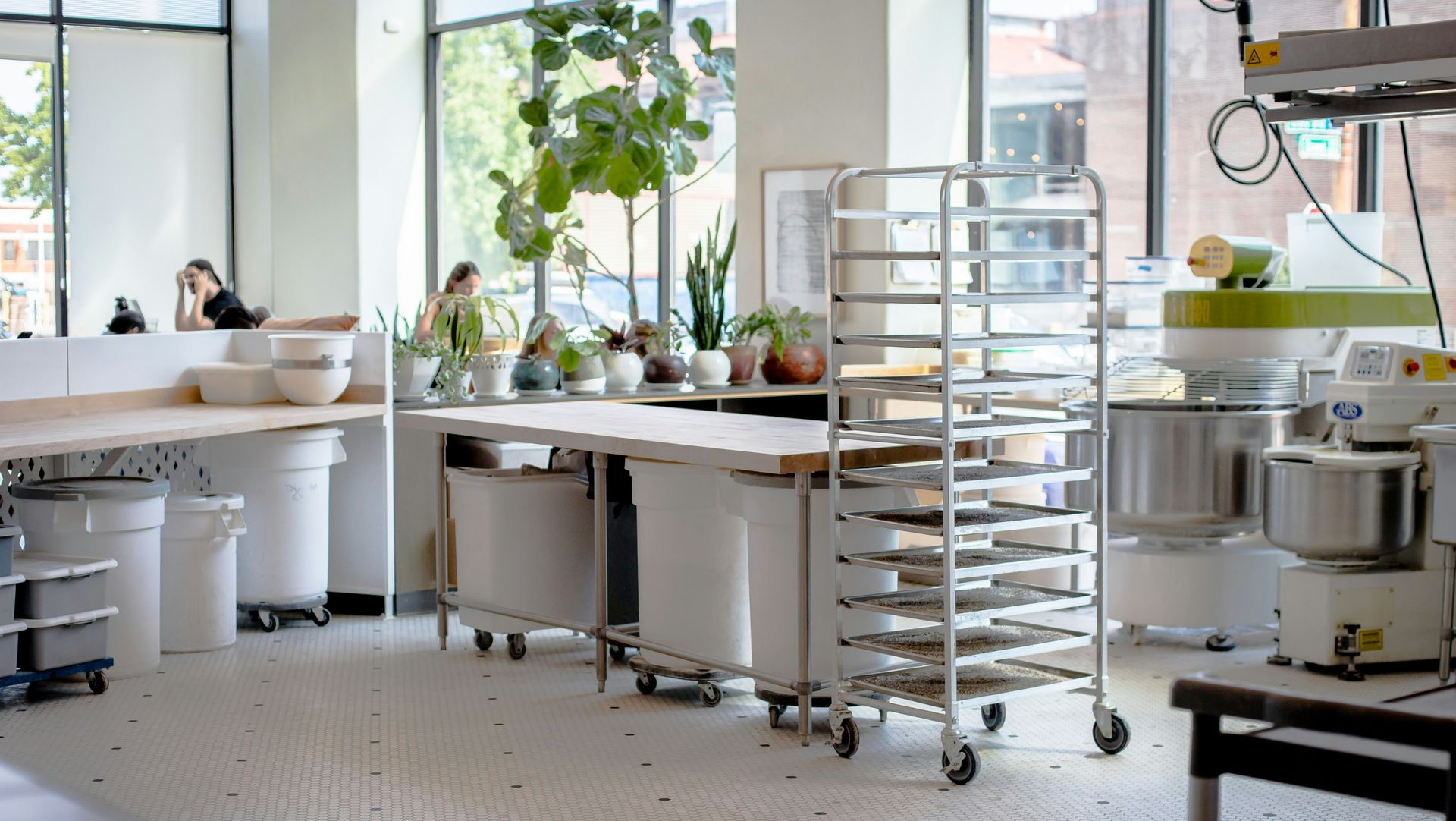
Equipment placement plays a major role in preventing bottlenecks. When essential tools are located too far apart or clustered too tightly, it creates inefficiencies that become more noticeable during busy periods.
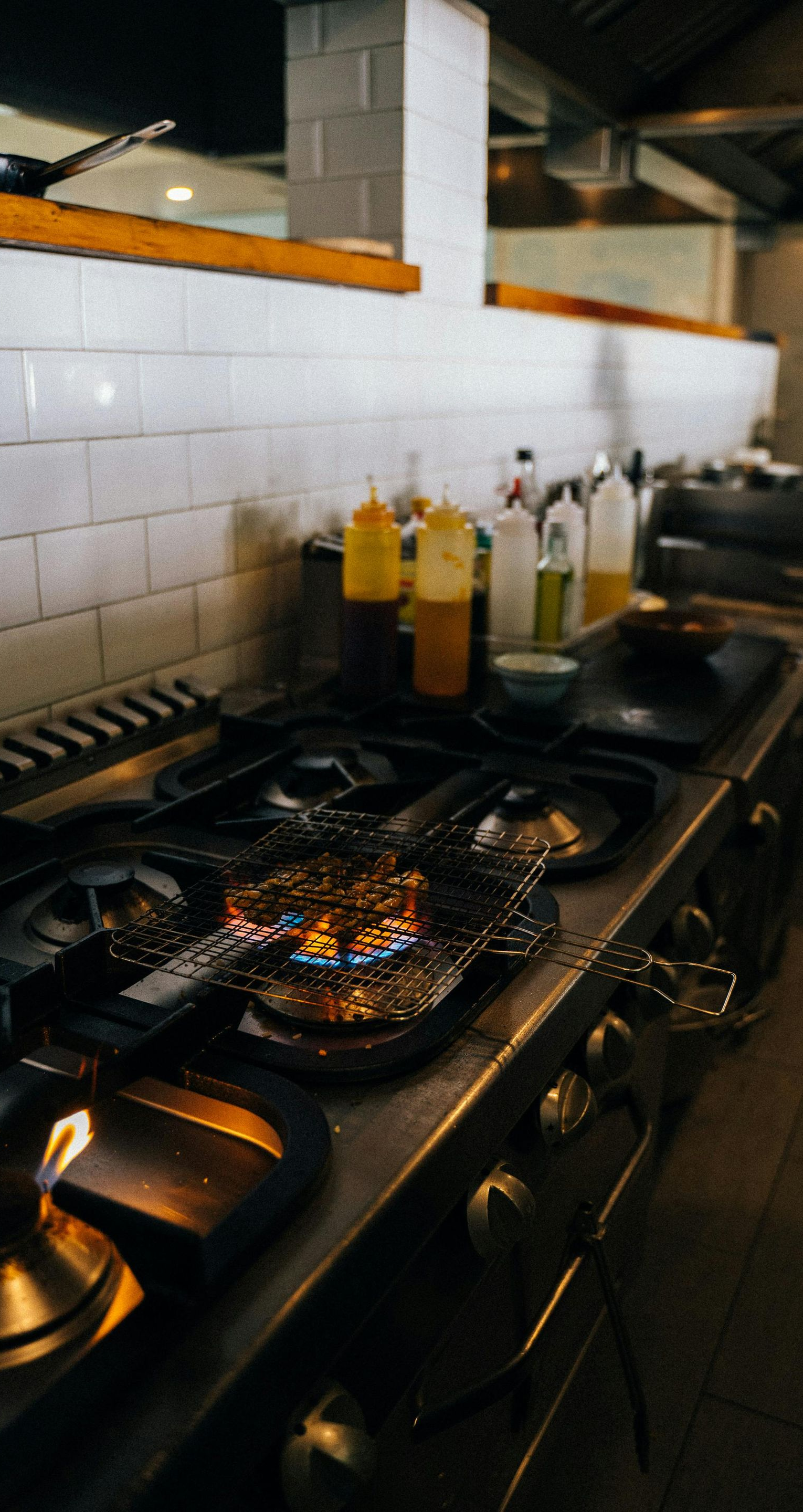
Cooking equipment should be arranged in a way that supports the menu and service style. Frequently used items should be within easy reach, while less commonly used equipment can be placed in secondary locations.
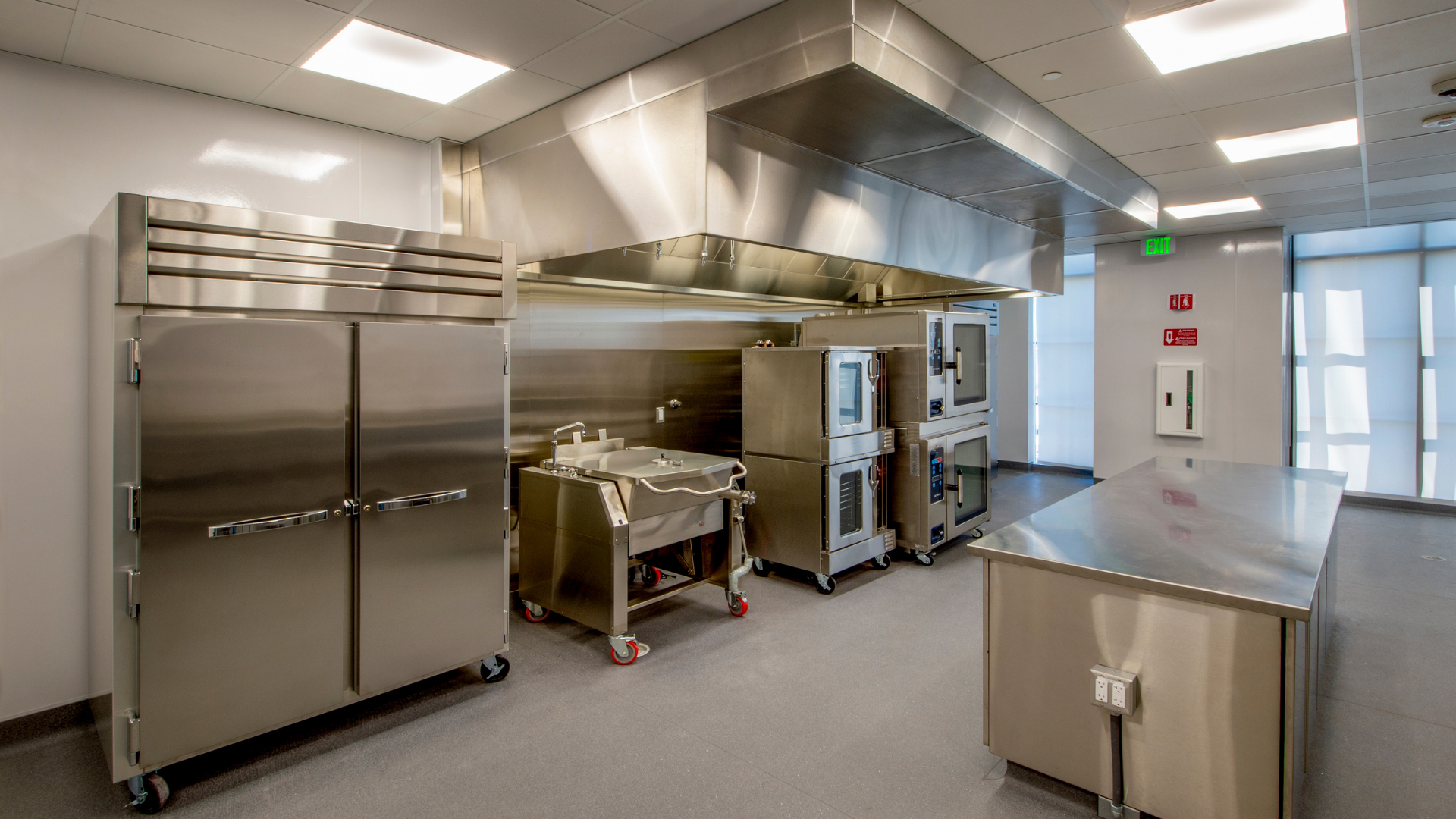
Spacing is equally important. Adequate clearance around equipment allows multiple staff members to work without interfering with one another.
Designing for Staff Movement
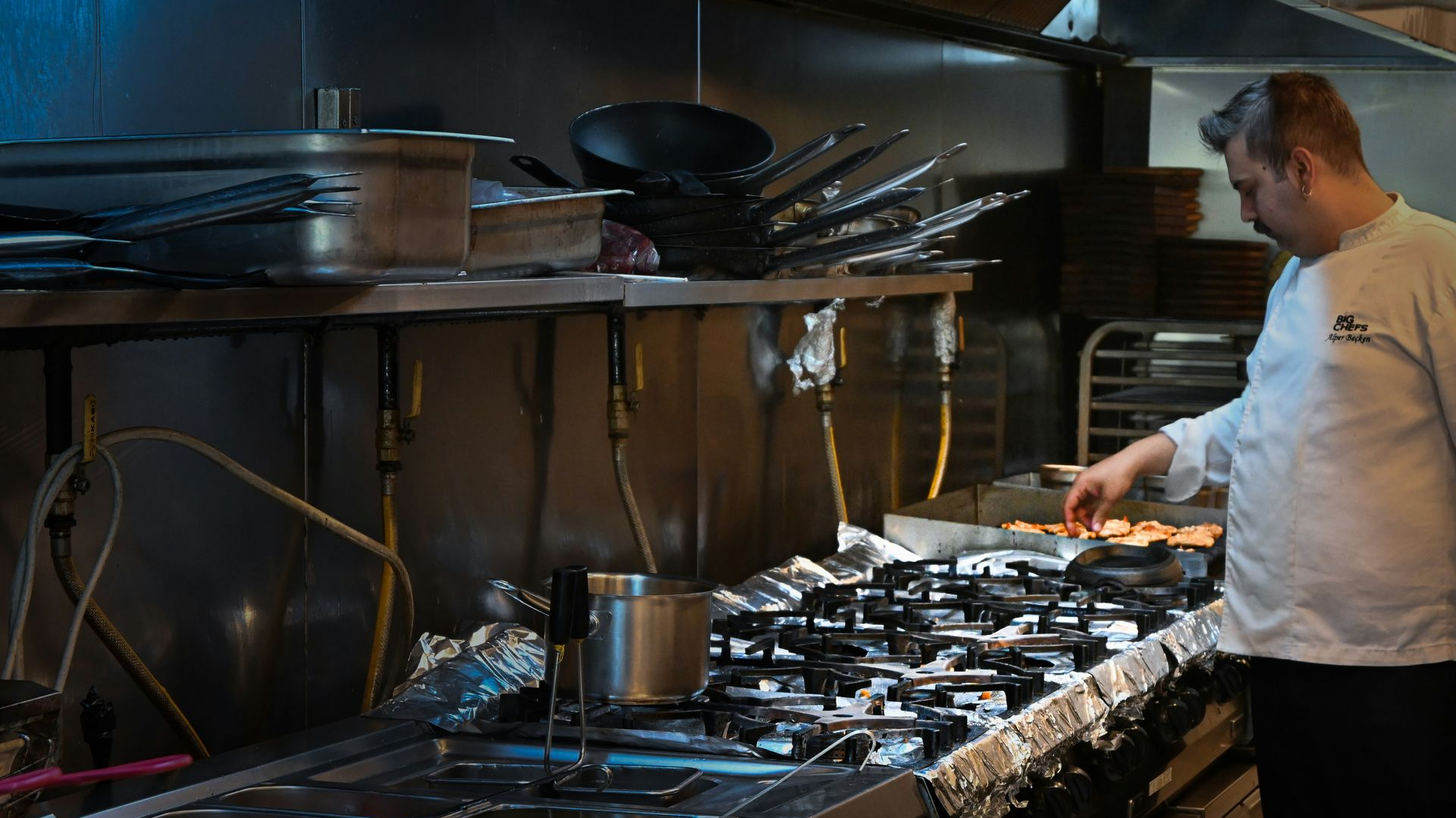
Kitchens are dynamic environments where movement is constant. Staff must be able to move quickly and safely between stations without obstruction.
Narrow pathways, poorly positioned equipment, or cluttered workspaces can create choke points that slow down operations. Designing wider, unobstructed pathways allows for smoother movement and reduces the likelihood of delays.
In high-volume kitchens, even small
improvements in movement efficiency can have a significant impact on overall performance.
Optimizing Prep and Plating Areas
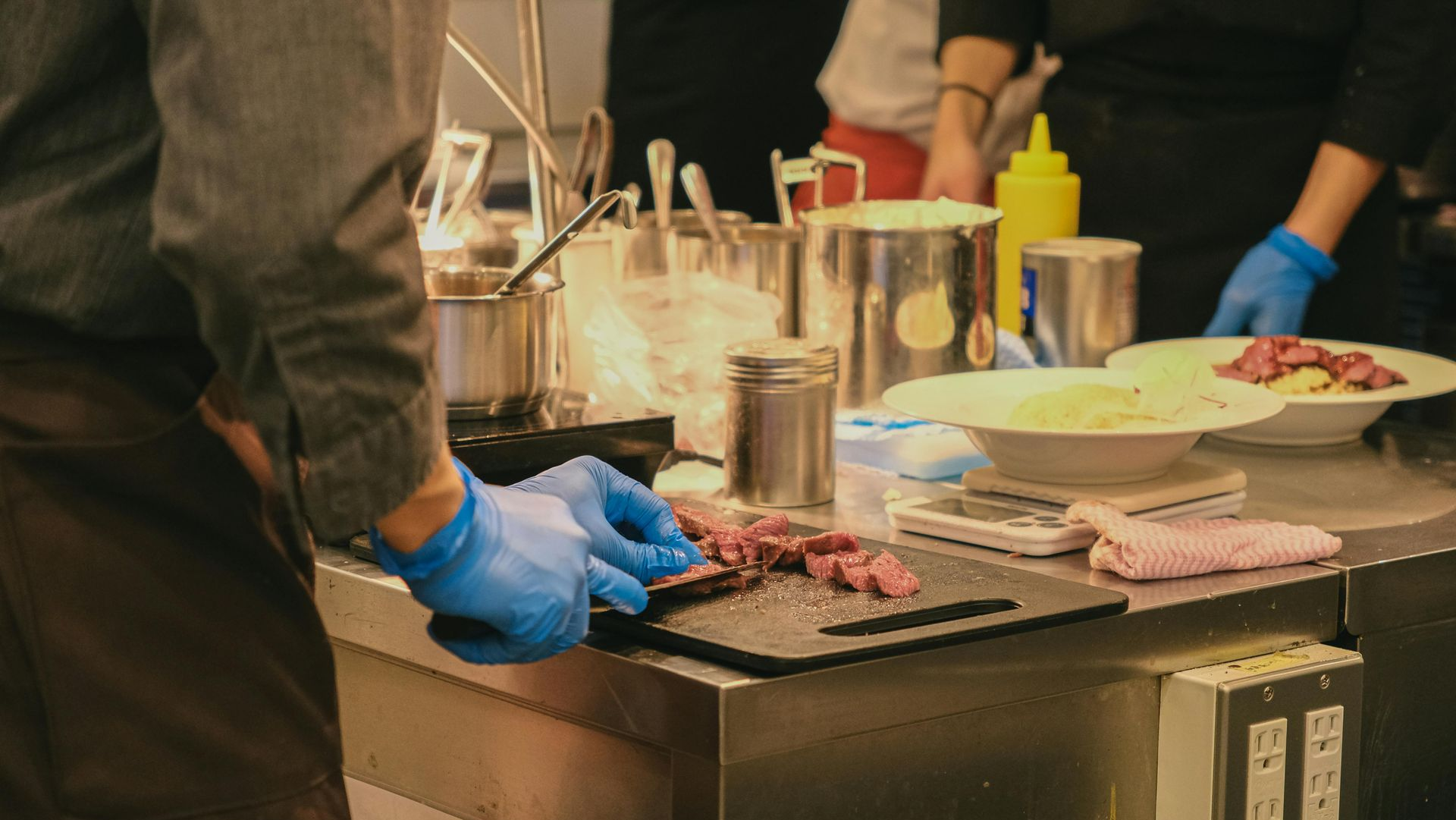
Prep and plating areas are often overlooked when addressing bottlenecks, but they play a critical role in maintaining flow during peak hours.
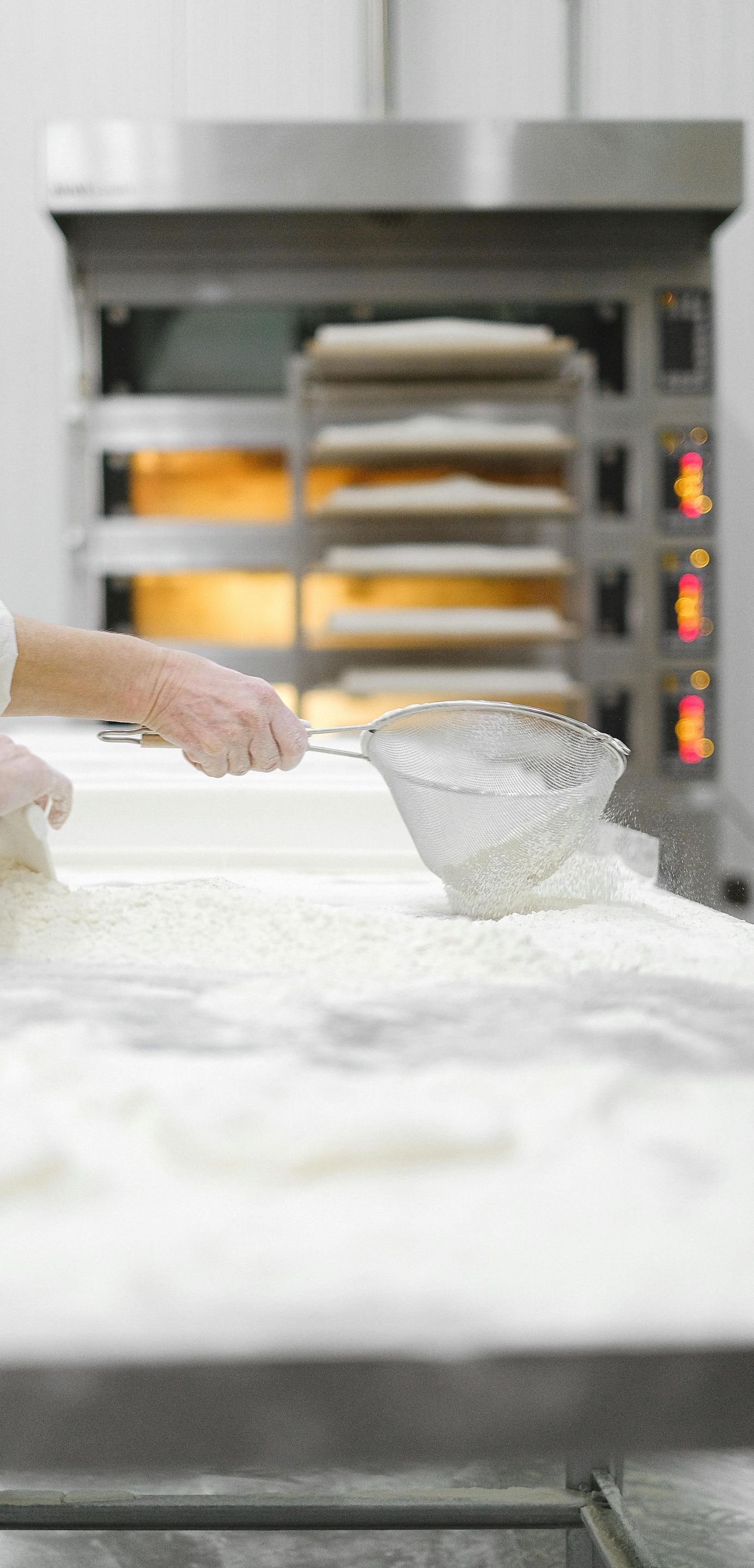
Prep stations should be large enough to handle the volume of ingredients required for service. If prep space is limited, staff may struggle to keep up with demand, leading to delays on the cooking line.
Plating areas should be positioned close to cooking stations to allow for quick assembly and service. Adequate space for plating ensures that finished dishes can be organized and delivered without confusion.
Planning for Peak Demand, Not Average Use
One of the most common mistakes in kitchen design is planning based on average use rather than peak demand. While a kitchen may function well during slower periods, it must be capable of handling the busiest times of the day.
Design decisions should consider the maximum number of staff, the highest volume of orders, and the most complex service scenarios. Building capacity for peak demand helps ensure that the kitchen remains efficient under pressure.
The Role of Professional Kitchen Design
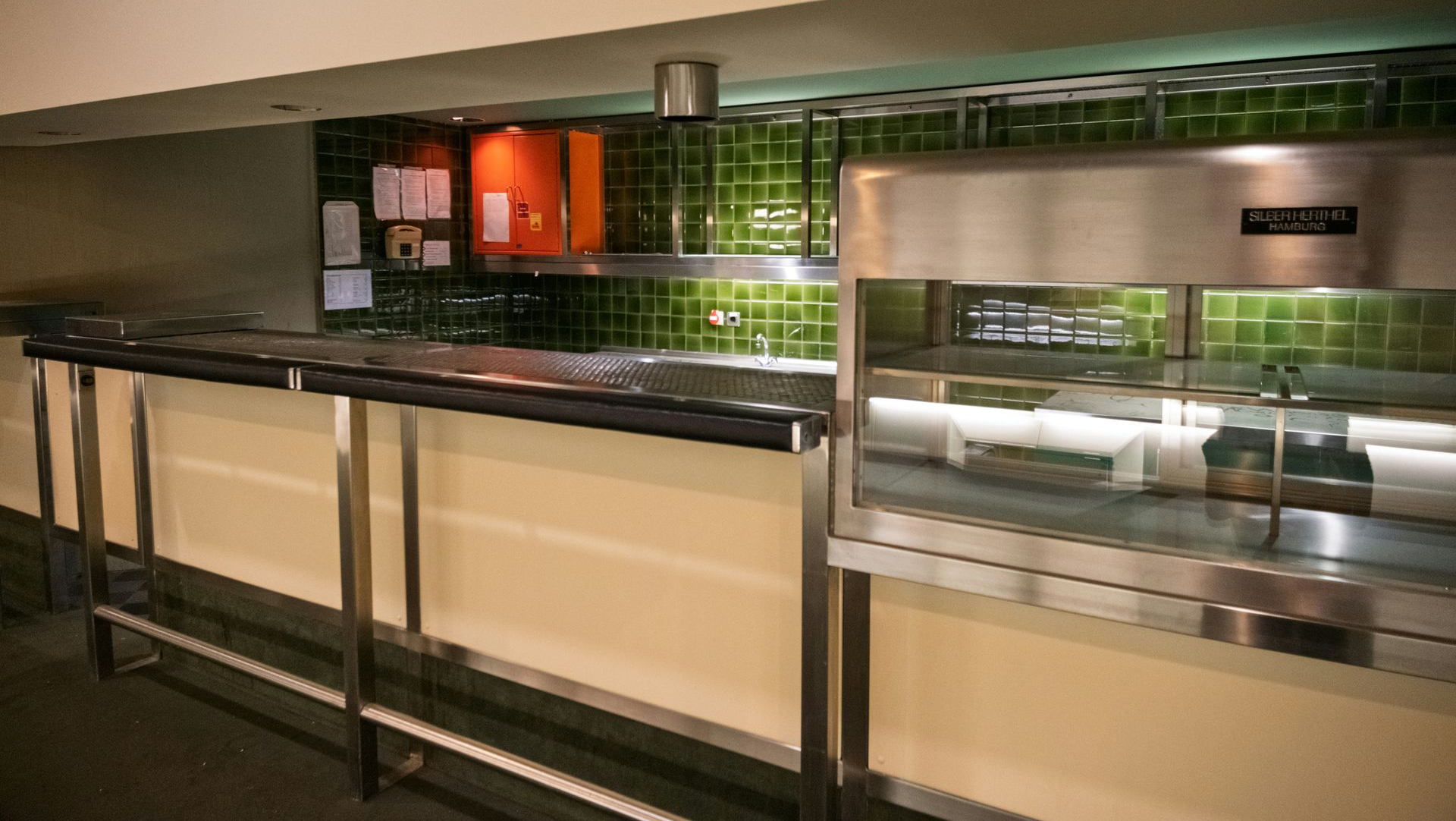
Designing a kitchen that minimizes bottlenecks requires a deep understanding of both construction and real-world operations. Every decision, from layout to equipment placement, affects how the kitchen will perform during service.
At Coast 2 Coast Solutions, we specialize in designing commercial kitchens that prioritize efficiency, workflow, and long-term performance. Our approach focuses on creating spaces that support staff movement, reduce congestion, and maintain productivity during peak hours.
Building a Kitchen That Performs Under Pressure
Bottlenecks are not just an inconvenience, they are a sign that a kitchen’s design is not fully aligned with its operational demands. By addressing workflow, spacing, and equipment placement during the design phase, it is possible to create a kitchen that operates smoothly even during the busiest times.
A well-designed kitchen allows staff to focus on delivering quality food and service without being slowed down by unnecessary obstacles. In high-demand environments, that efficiency can make all the difference.