Why Workflow Efficiency Should Drive Commercial Kitchen Design Decisions
Designing Commercial Kitchens for Productivity, Not Just Appearance
In commercial kitchens, efficiency is not a luxury. It is a requirement. Every step taken by staff, every piece of equipment placement, and every bottleneck in movement affects productivity, consistency, and profitability. At Coast 2 Coast Solutions, we believe workflow efficiency should be the foundation of every commercial kitchen design decision, not an afterthought addressed once problems arise.
Workflow Shapes Daily Operations
A commercial kitchen operates under constant pressure. Orders move quickly, staff work in close proximity, and timing is critical. When workflow is poorly planned, even experienced teams struggle to keep pace. Excess movement, overlapping paths, and poorly placed equipment slow production and increase fatigue.
Efficient
workflow design minimizes
unnecessary steps and reduces congestion. When prep, cooking, plating, and cleaning zones are clearly defined and logically connected, staff can focus on execution rather than navigation.
Layout Dictates Staff Movement
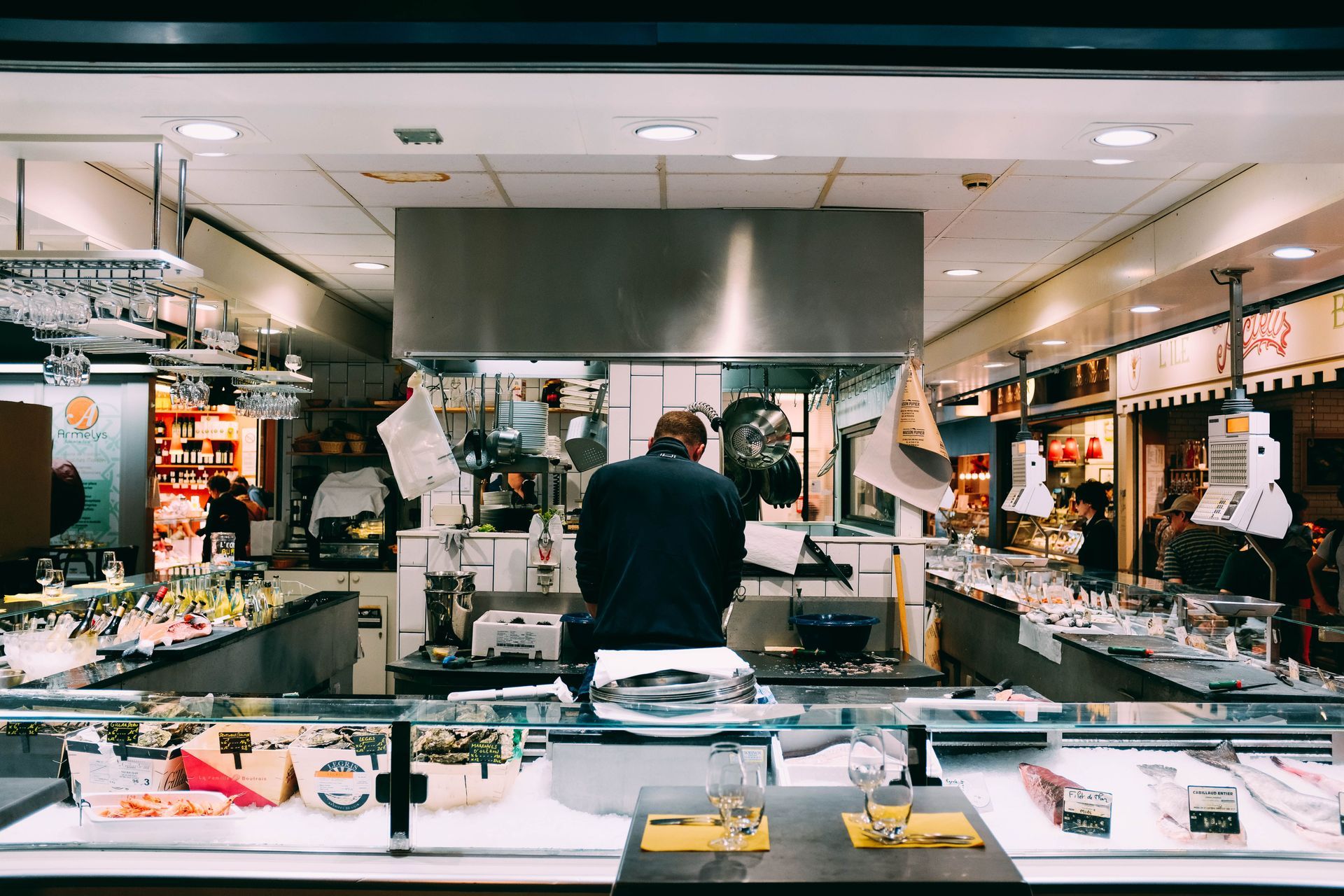
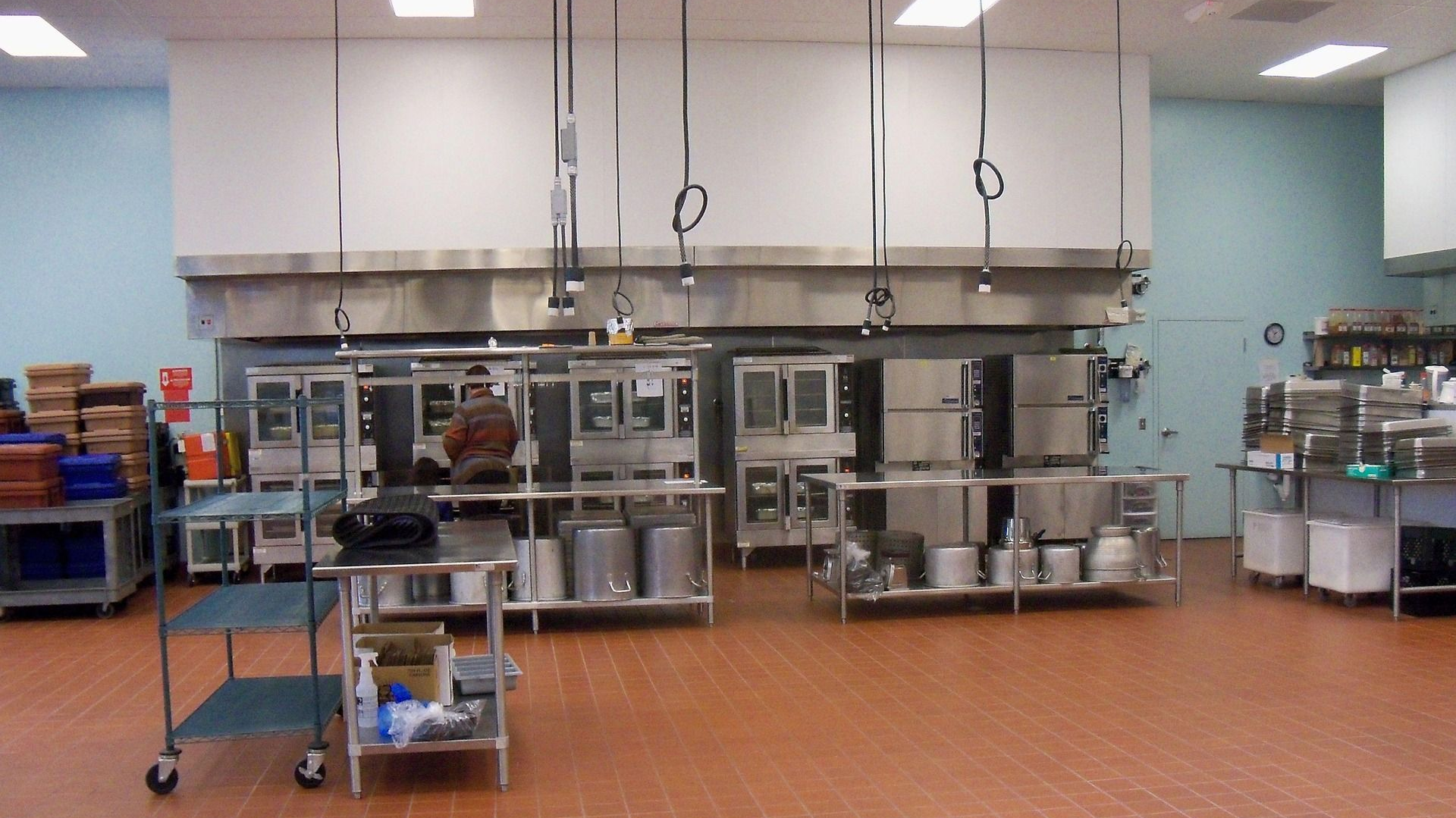
The physical layout of a kitchen directly influences how staff move throughout a shift. Narrow aisles, poorly placed workstations, or shared access points can lead to delays and safety concerns. In high volume environments, these inefficiencies compound quickly.
Thoughtful layout planning considers how multiple roles interact simultaneously. Line cooks, prep staff, dishwashers, and service teams must be able to move without interfering with one another. Designing with these interactions in mind creates smoother operations and reduces friction during peak periods.

Equipment Placement Matters More Than Many Realize
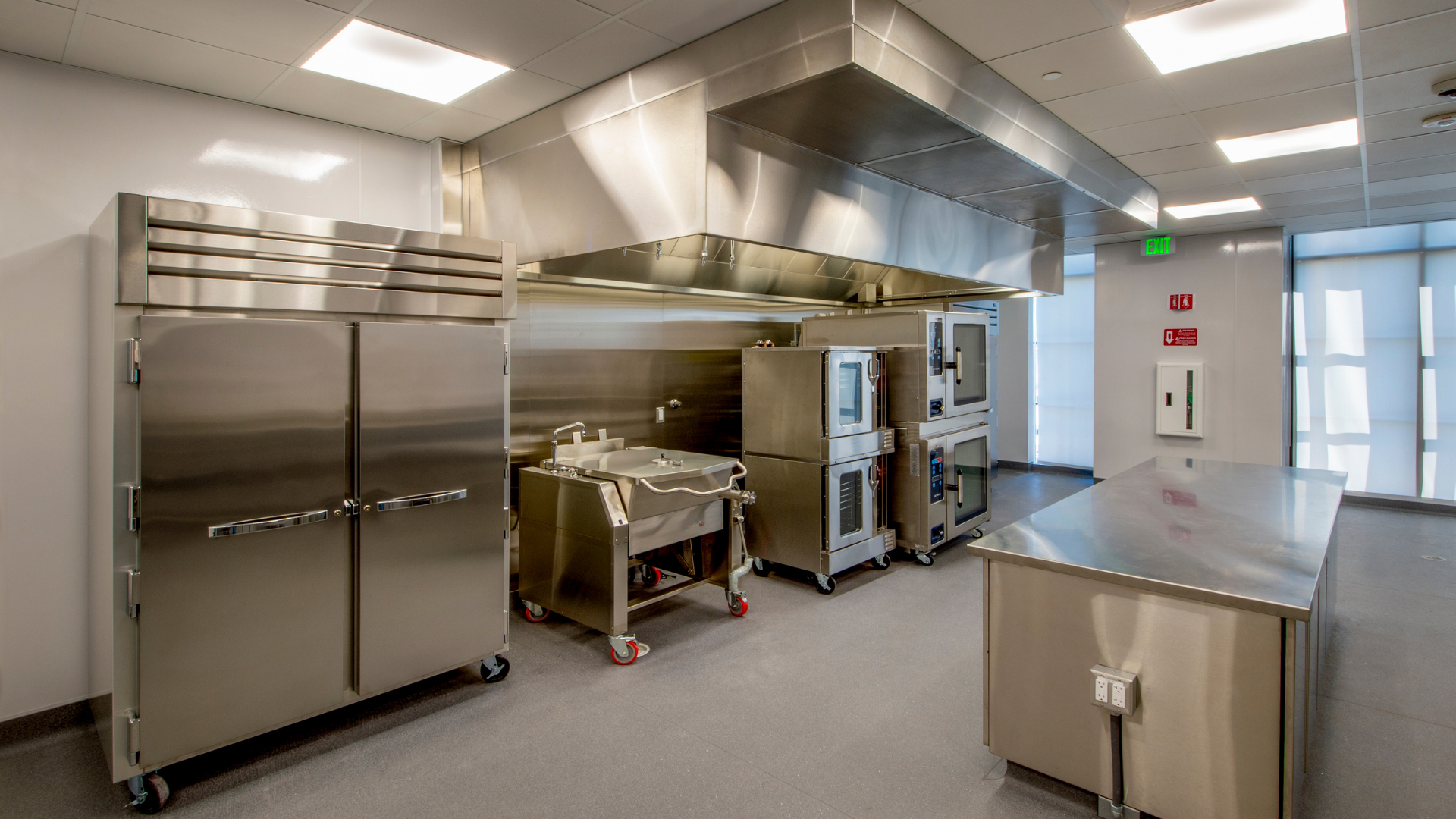
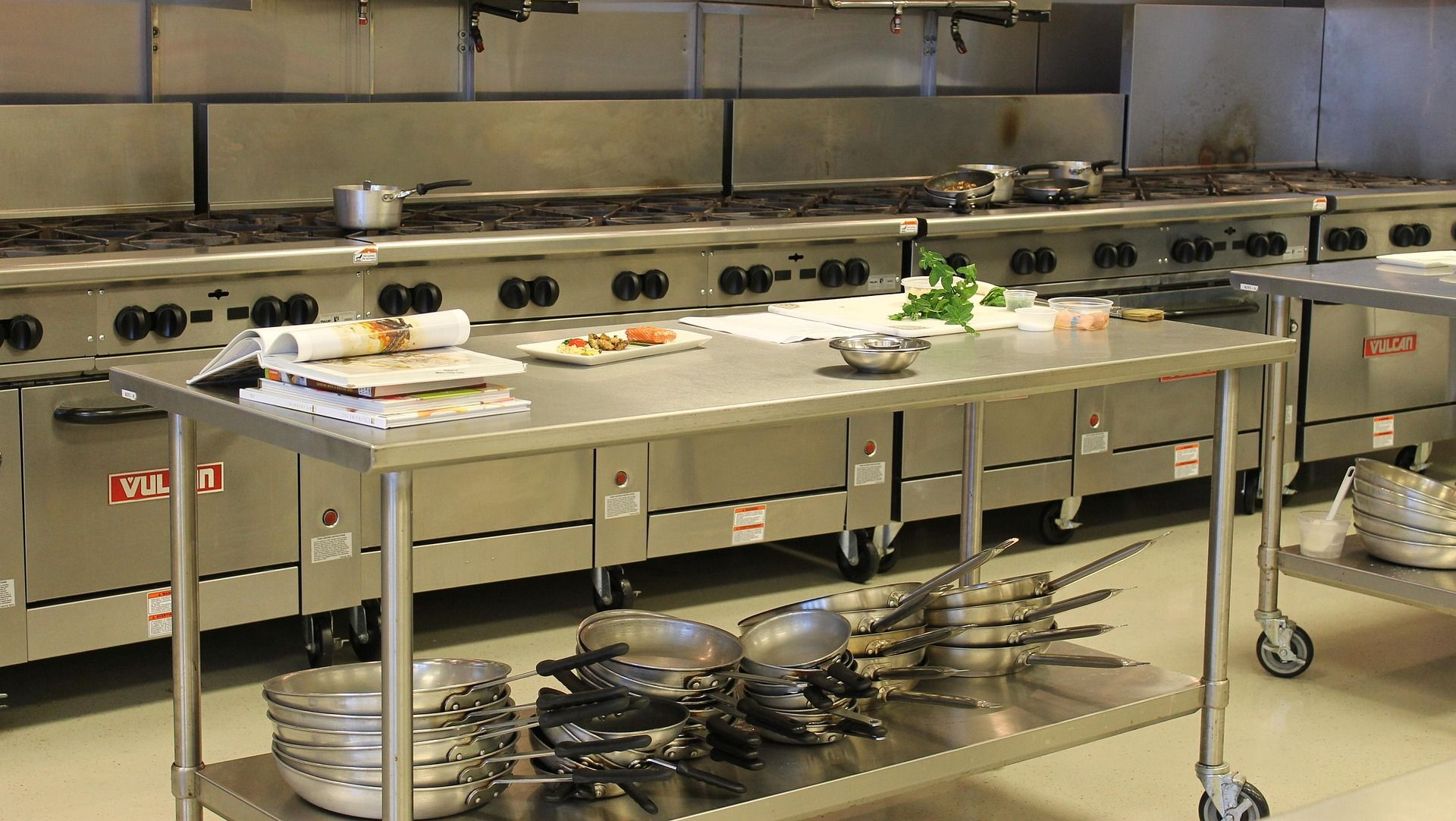
Equipment selection often receives significant attention, but placement is just as important. Even high quality equipment can become a liability if it disrupts workflow. Refrigeration positioned too far from prep areas, or cooking equipment isolated from plating zones, adds unnecessary steps.
Efficient kitchen design places equipment where it supports natural movement patterns. This reduces wasted time and helps staff maintain rhythm during service. Over the course of a day, these small efficiencies translate into meaningful productivity gains.
Productivity Depends on Logical Sequencing
Commercial kitchens function best when tasks follow a clear sequence. Ingredients should move smoothly from receiving to storage, then to prep, cooking, and service. Cross traffic or backtracking interrupts this flow and increases the likelihood of errors.
Workflow driven design aligns spaces with task progression. This sequencing helps staff stay organized and supports consistent output, even during busy shifts. It also simplifies training for new employees, as the kitchen layout reinforces proper process.
Efficiency Supports Safety and Compliance
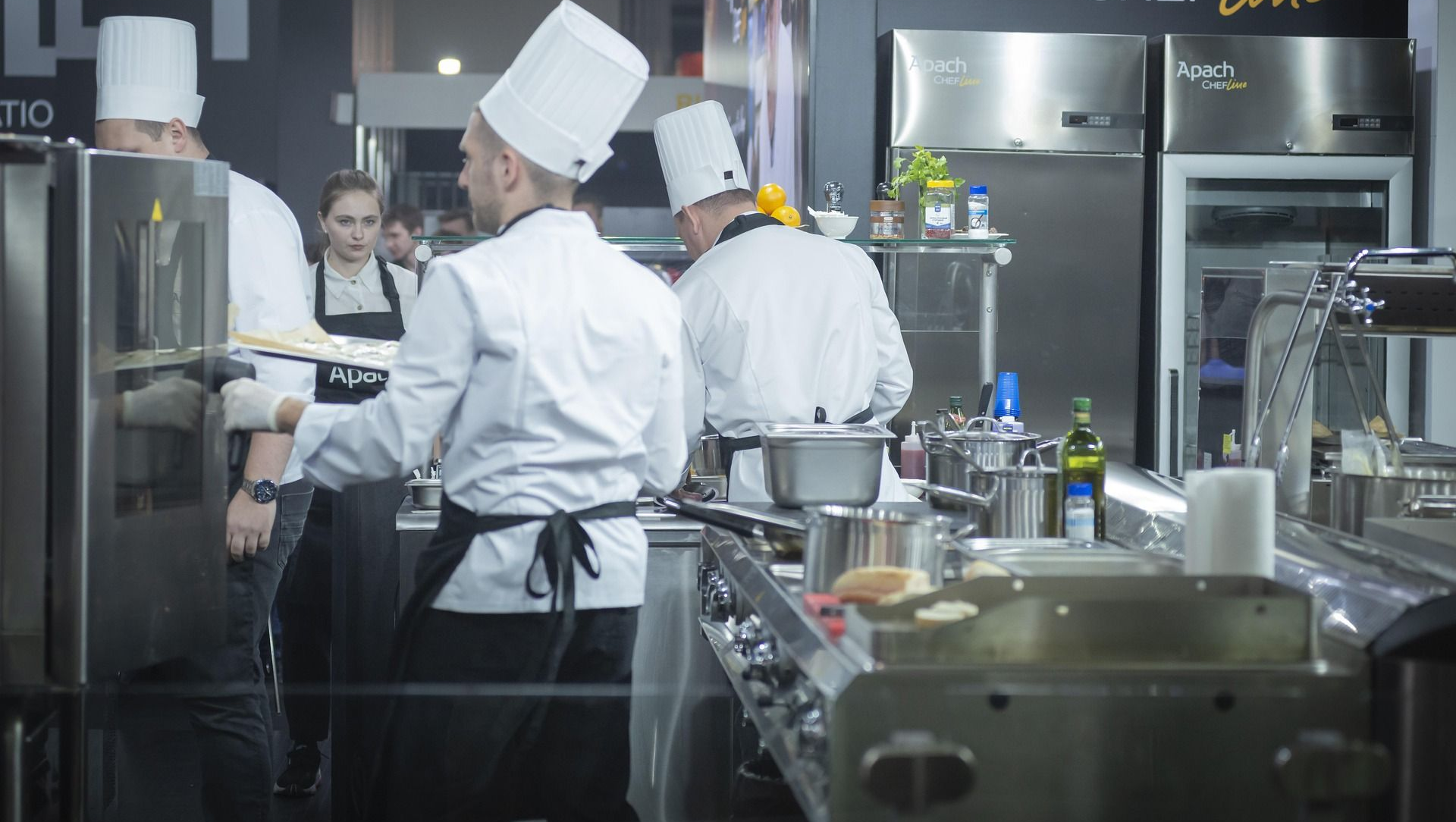
Crowded or poorly planned kitchens increase the risk of accidents. When staff are forced to cross paths frequently or work in tight spaces, the potential for slips, collisions, and burns rises. Workflow efficiency reduces these risks by creating clear zones and predictable movement patterns.
Efficient layouts also support sanitation and compliance requirements. Separating clean and dirty areas, maintaining appropriate spacing, and ensuring accessible handwashing stations are easier to achieve when workflow is central to design decisions.
Designing for Growth and Scalability
Many kitchens are designed to meet current needs without considering future growth. As menus expand or volume increases, inefficient layouts become more problematic. Workflow focused design anticipates change and builds in flexibility.
At Coast 2 Coast Solutions, we design kitchens that can adapt. Scalable layouts allow operations to increase output without major disruption. This long term perspective protects the investment and supports business growth.
The Advantage of a Turnkey Approach
Workflow efficiency cannot be addressed in isolation. It must be integrated with equipment selection, code compliance, and construction planning. A turnkey approach ensures that all elements work together toward a common goal.
By managing the entire design process, we are able to align workflow considerations from concept through completion. This reduces miscommunication and ensures that efficiency remains a priority at every stage.
Designing With Purpose
Commercial kitchens succeed when design supports how people actually work. Workflow efficiency is not about cutting corners. It is about creating environments that enable staff to perform at their best.
At Coast 2 Coast Solutions, we approach kitchen design with a focus on movement, interaction, and productivity. When workflow drives design decisions, kitchens operate more smoothly, staff work more effectively, and businesses are better positioned for long term success.