What Guests Expect From Every Location They Visit
One of the greatest challenges facing growing restaurant brands is maintaining consistency across multiple locations. Whether a company operates five restaurants or five hundred, customers generally expect the same experience every time they walk through the door.
When guests visit a familiar restaurant brand, they arrive with expectations. They expect the food to taste the same, the layout to feel familiar, and the overall experience to reflect the standards that attracted them in the first place. Meeting those expectations consistently is one of the keys to successful expansion. This is why rollout programs have become such an important part of multi-unit restaurant growth.
Consistency Builds Trust
Customers often choose familiar restaurant brands because they know what to expect.
When a guest enjoys a positive experience at one location, they naturally assume they will receive a similar experience at another. This consistency helps build trust and encourages repeat visits.
If the food quality, service flow, kitchen performance, or overall environment varies significantly between locations, that trust can begin to erode. Even small inconsistencies may influence how customers perceive the brand as a whole. Successful restaurant operators understand that every new location becomes a reflection of the entire organization.
Guests Notice More Than Food
Food quality is certainly important, but it is only one part of the customer experience.
Guests also notice how efficiently orders are prepared, how organized the restaurant feels, how smoothly staff members operate, and how comfortable the overall environment is. Many of these factors are influenced by decisions that occur long before the first customer arrives.
Kitchen design, equipment selection, workflow planning, and operational consistency all contribute to the guest experience, even if customers never consciously think about them.
When these elements work together effectively, the experience feels seamless.
Familiarity Creates Confidence
One reason major restaurant brands invest heavily in standardization is because familiarity creates comfort for guests.
Customers appreciate knowing where to order, how the restaurant operates, and what level of quality they can expect. Consistency reduces uncertainty and helps create a positive experience from the moment a guest enters the building.
This principle becomes increasingly important as brands expand into new markets where customers may be encountering the concept for the first time. A well-executed rollout helps ensure those first impressions align with the brand’s established reputation.
Standardized Kitchens Support Consistent Results
Many guests associate consistency primarily with recipes and ingredients. While those factors are important, kitchen infrastructure also plays a significant role.
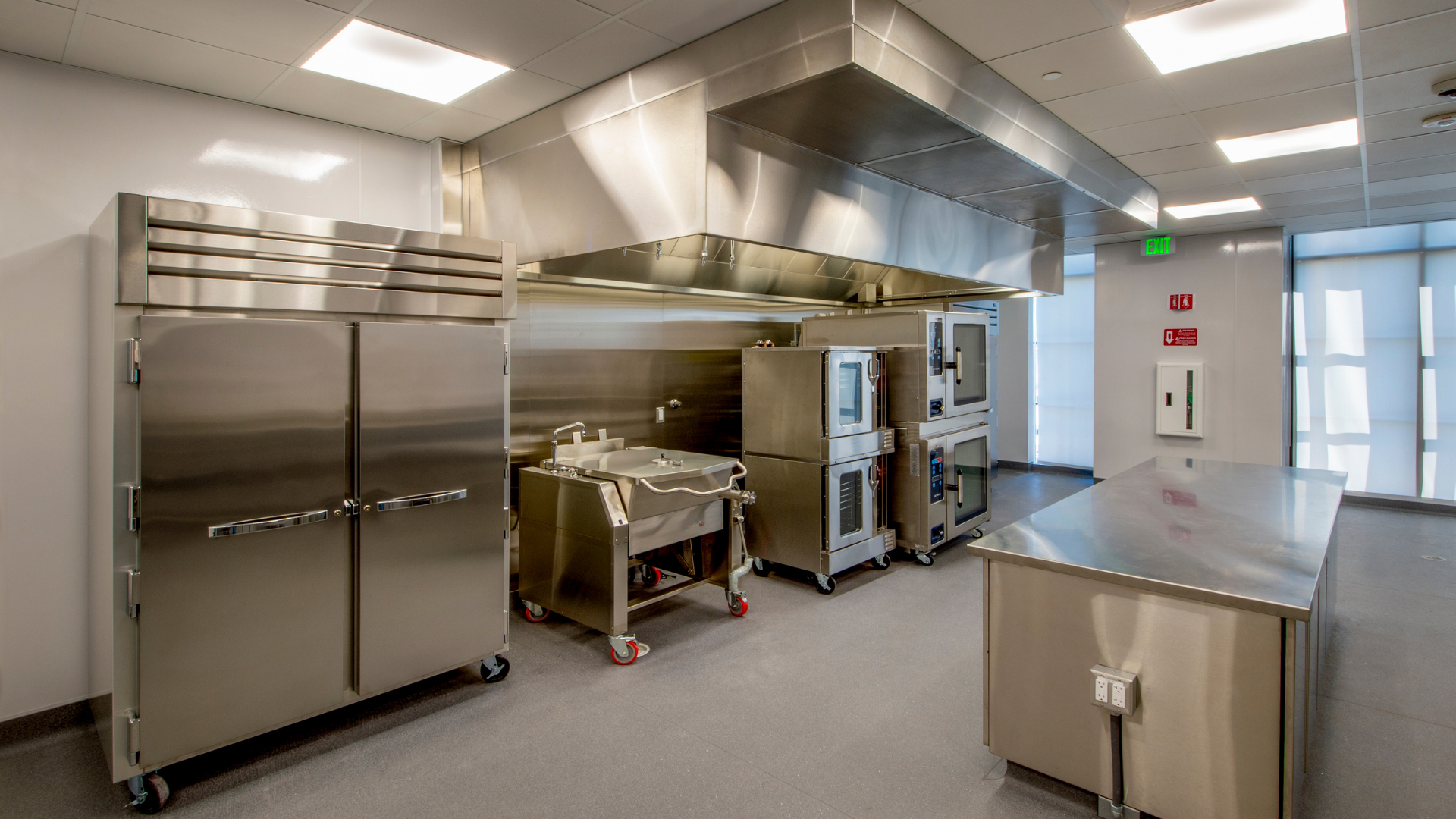
When restaurant locations are designed around standardized equipment, layouts, and workflows, employees can often operate more efficiently and produce more consistent results.
Standardization helps reduce variability while making training, operations, and quality control more manageable across multiple locations. The result is a more predictable experience for guests regardless of which location they visit.
Growth Creates New Challenges
As restaurant brands expand, maintaining consistency becomes increasingly complex.
Each new location introduces new variables, including construction schedules, local vendors, staffing considerations, equipment logistics, and operational demands. Without a structured rollout strategy, these variables can create inconsistencies that affect both operations and the customer experience.
Successful rollout programs help reduce these risks by creating repeatable processes that support growth while preserving brand standards.
The Guest Experience Begins Before Opening Day
Many of the factors that influence customer satisfaction are established long before a restaurant opens its doors.
Equipment procurement, kitchen planning, installation coordination, operational design, and project management all contribute to the foundation of a successful location. When these elements are properly aligned, restaurant teams are better positioned to deliver the experience guests expect.
In many ways, the customer experience begins during the rollout process itself.
Supporting Consistent Growth
Restaurant expansion is about more than opening new locations. It is about delivering a consistent experience that strengthens customer trust and reinforces brand identity.
Coast 2 Coast Solutions helps restaurant brands execute rollout programs that support operational consistency, efficient deployment, and long-term growth. Through turnkey rollout services, procurement coordination, kitchen planning, and project management, growing brands can create repeatable systems that help every new location meet customer expectations.
Guests may not see the planning, coordination, and logistics that occur behind the scenes, but they notice the results. When every location delivers a familiar, reliable experience, customers gain confidence in the brand and are more likely to return again and again.