Why Equipment Standardization Matters
As businesses grow and expand across multiple locations, maintaining consistency becomes increasingly important. Customers expect a familiar experience regardless of which location they visit, and operators rely on predictable processes to support efficiency, training, and quality control. One often overlooked factor that helps create this consistency is equipment standardization.
Whether a company operates a handful of locations or hundreds, using consistent equipment across facilities can provide operational advantages that extend far beyond purchasing convenience. From training and maintenance to customer experience and long-term growth, equipment standardization plays a significant role in helping organizations operate more effectively.
What Is Equipment Standardization?
Equipment standardization is the practice of using the same or similar equipment across multiple locations.
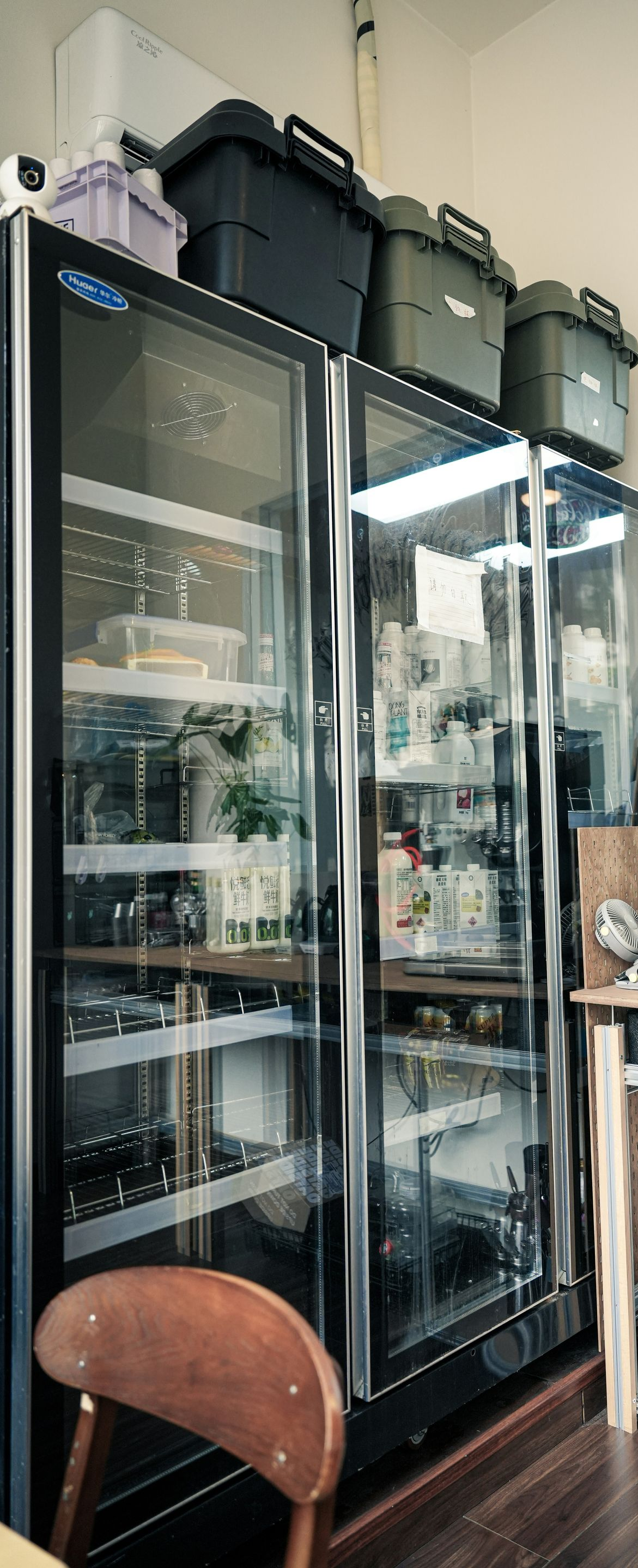
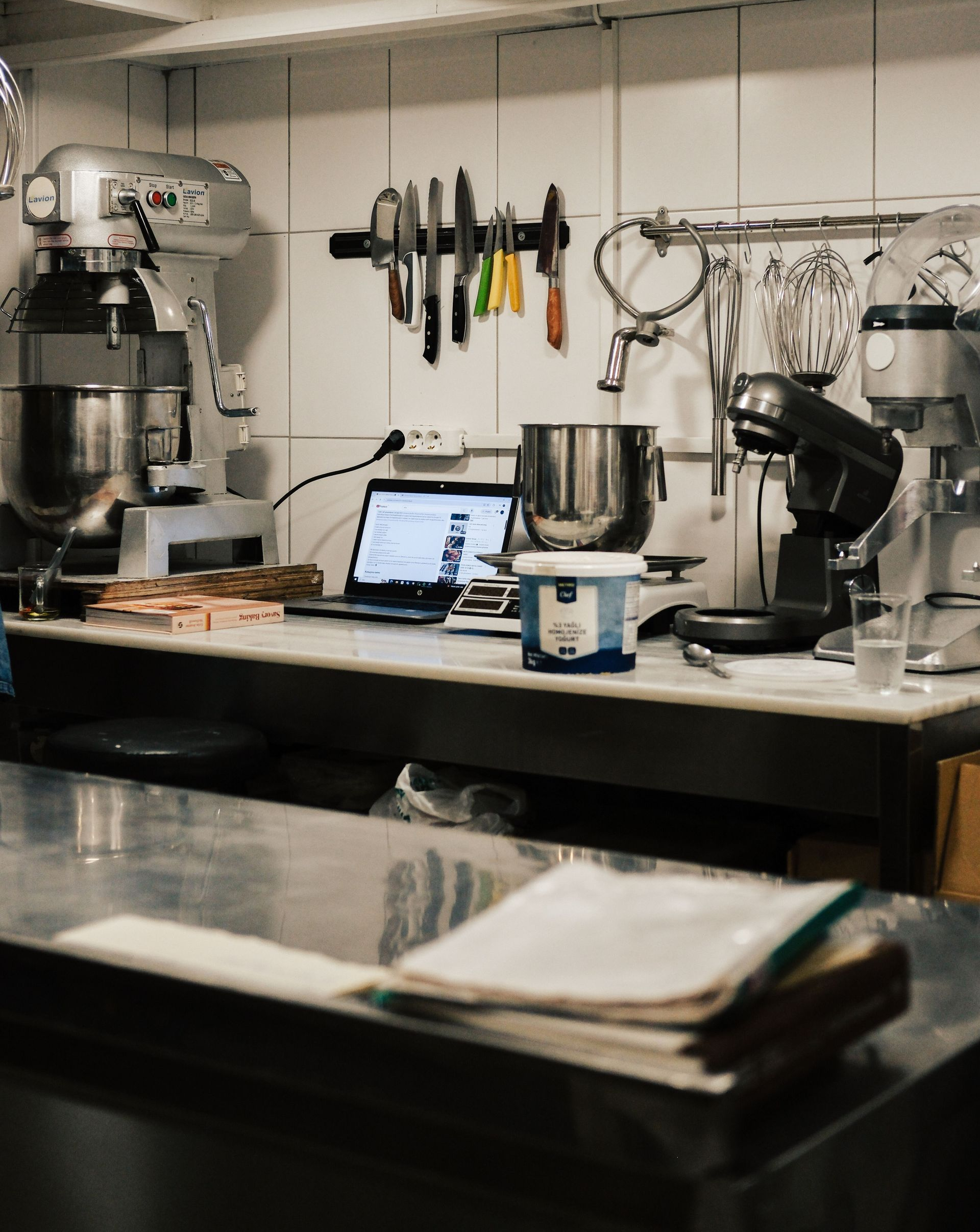
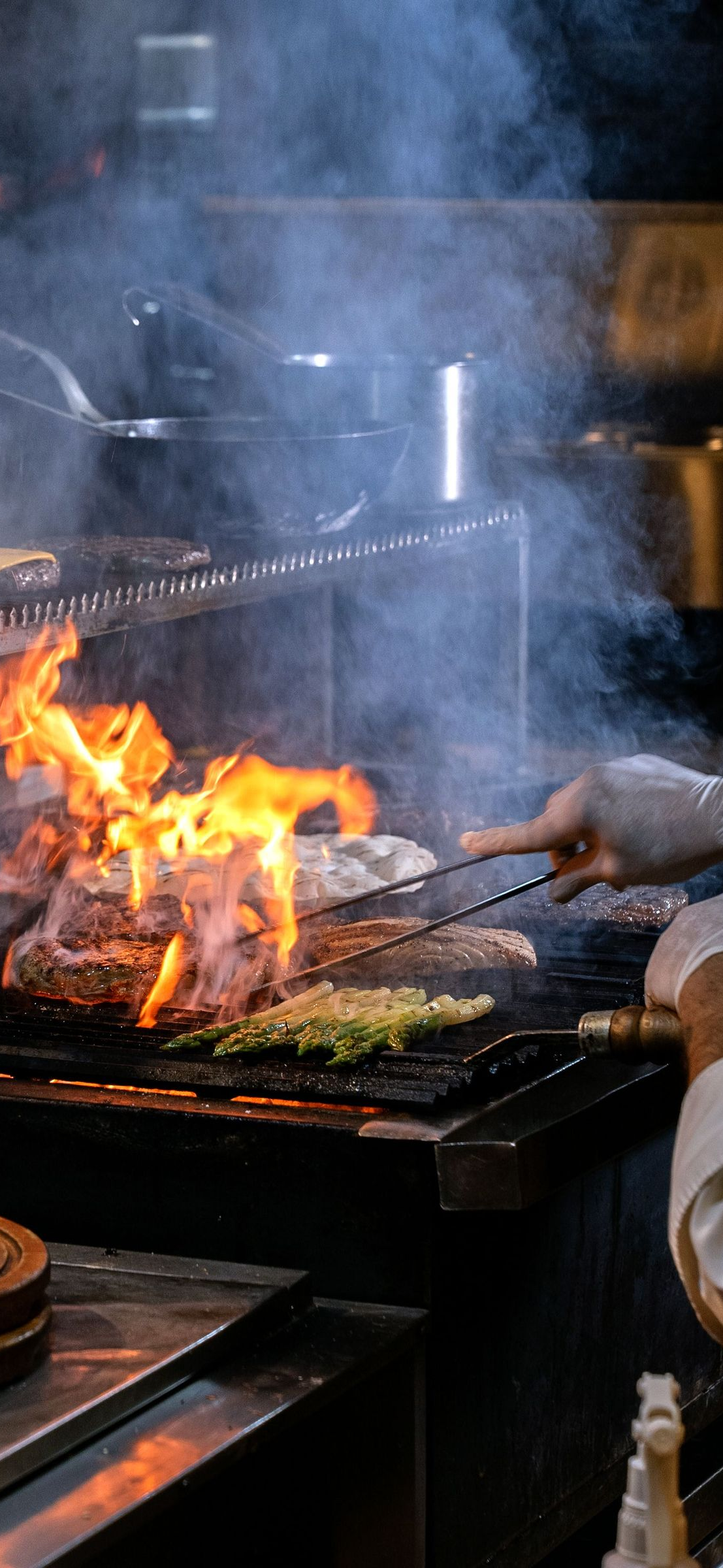
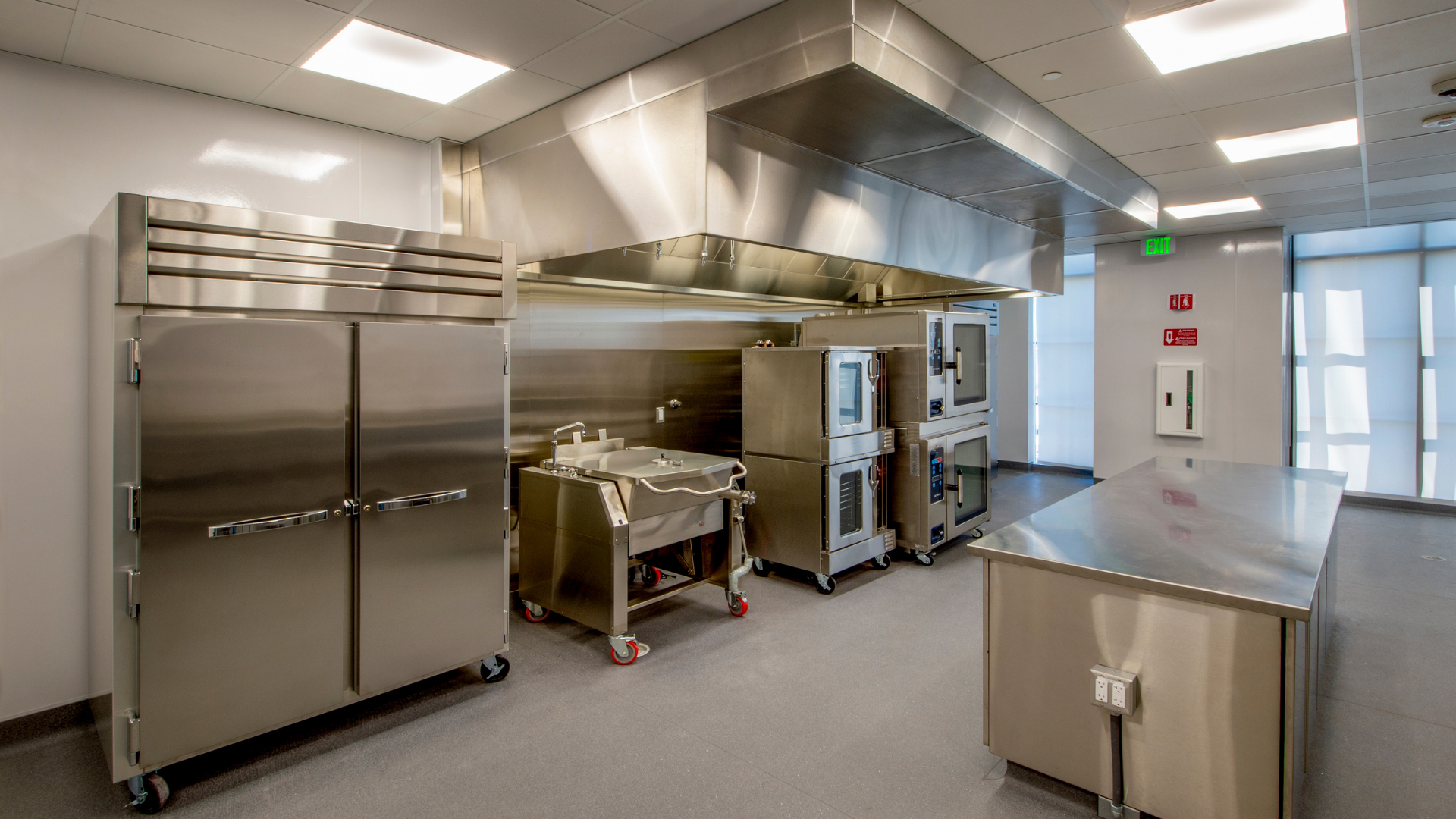
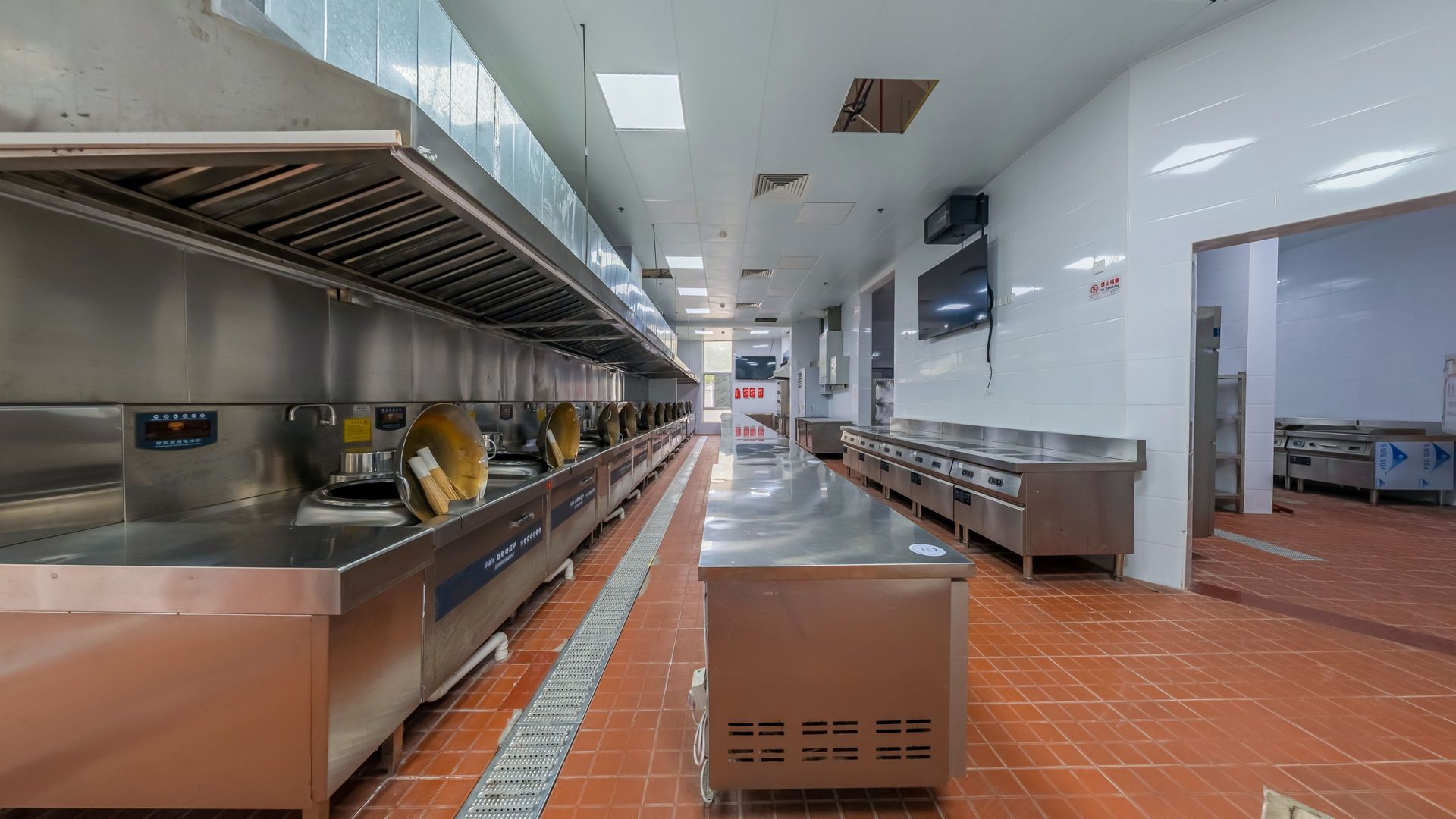
For restaurants, this may include cooking equipment, refrigeration systems, food preparation stations, beverage equipment, and other operational tools. The goal is to create a consistent environment where employees can perform their jobs using familiar systems and procedures regardless of location.
Standardization does not necessarily mean every facility is identical.
Site-specific requirements may still exist. However, maintaining consistency wherever possible can simplify many aspects of daily operations.
Simplifying Employee Training
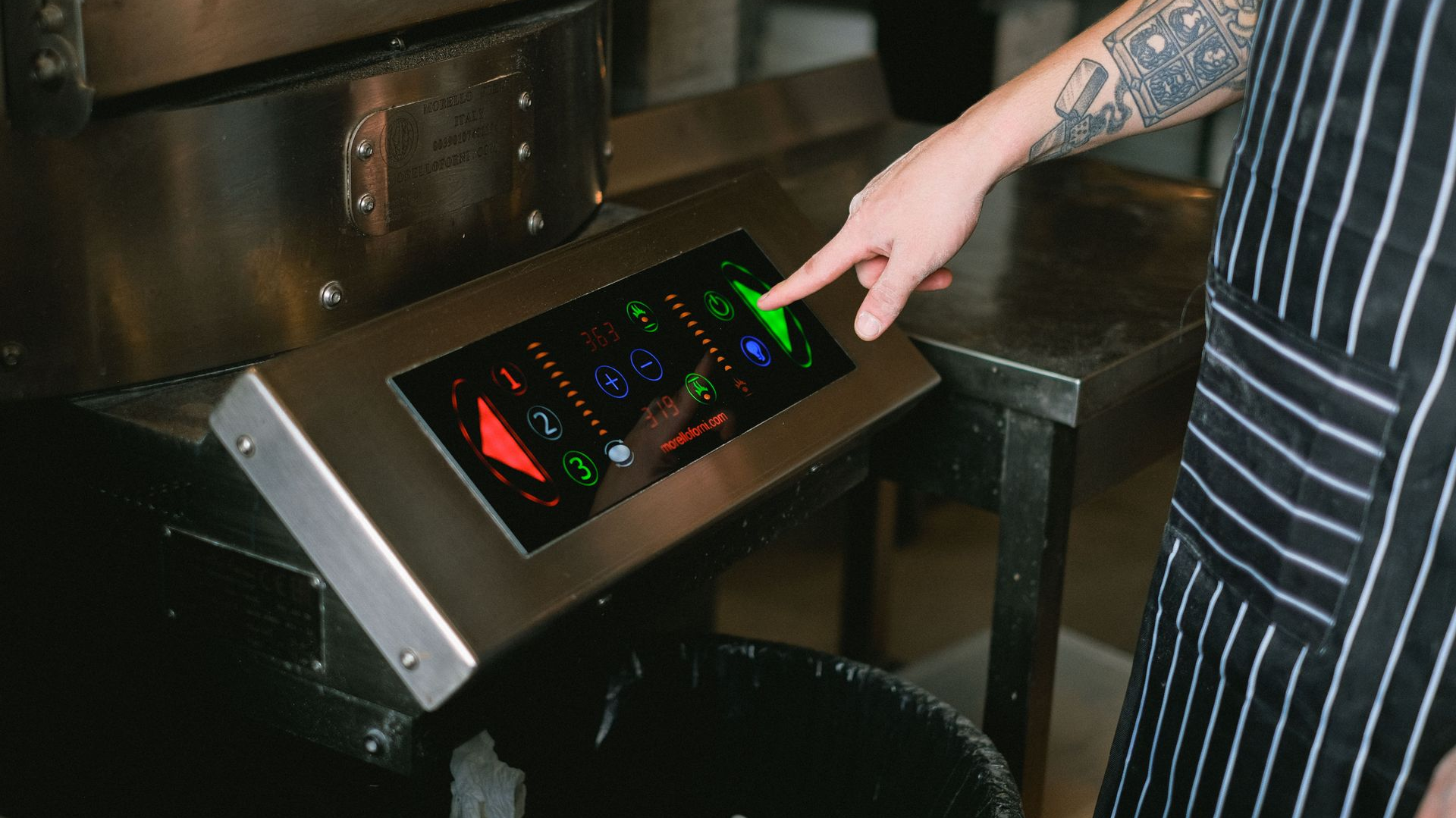
One of the most immediate benefits of equipment standardization is simplified training.
When employees encounter the same equipment across multiple locations, they can transition more easily between stores, restaurants, or facilities. Training materials remain consistent, onboarding becomes more efficient, and managers spend less time addressing differences between locations.
Employees who are already familiar with equipment often gain confidence more quickly, allowing them to focus on service, productivity, and operational performance.
For organizations with multiple locations, these efficiencies can add up significantly over time.
Supporting Operational Consistency
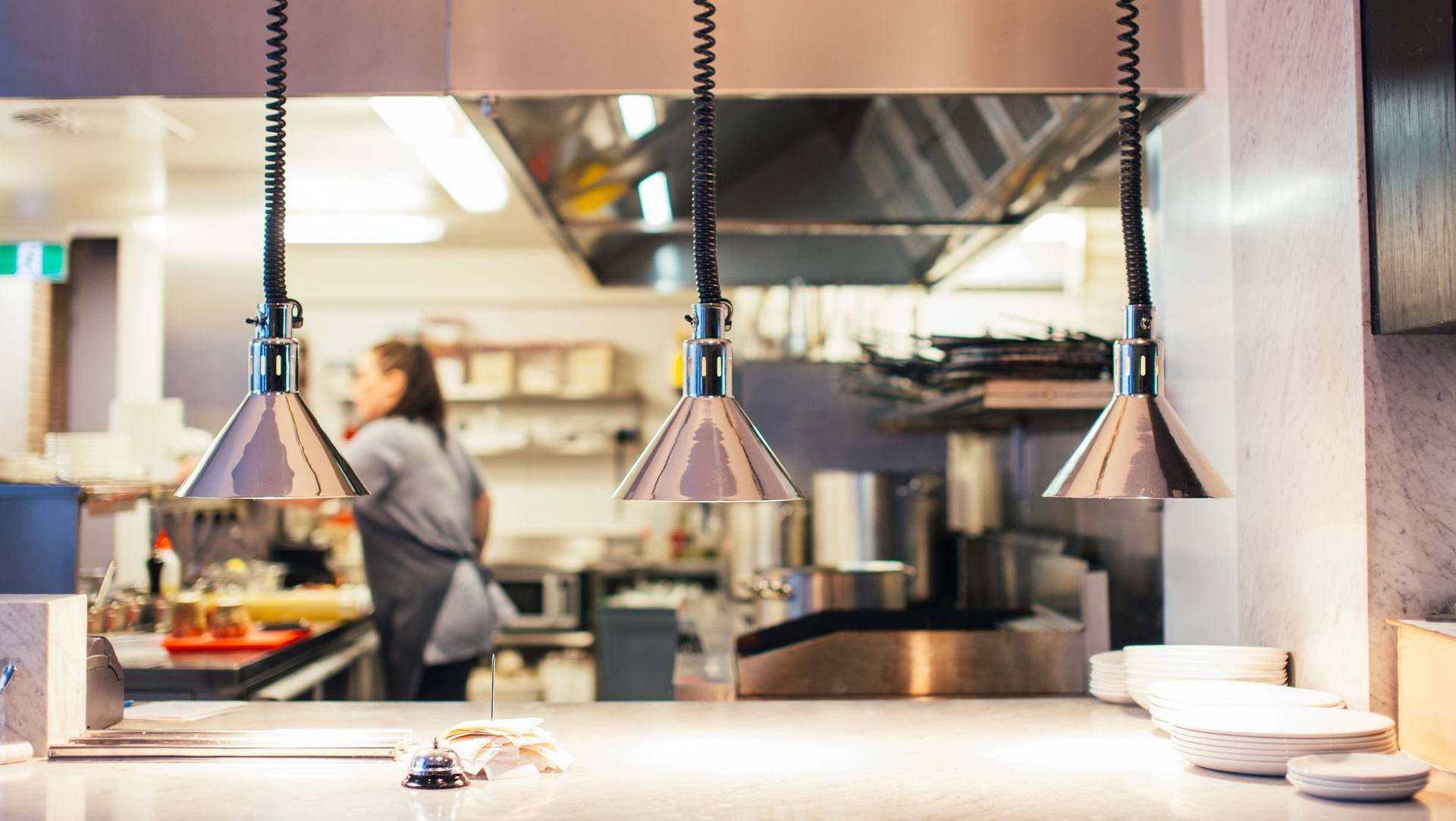
Customers often expect a similar experience every time they interact with a brand.
Standardized equipment helps support consistent food preparation, service procedures, and operational workflows. When locations use the same tools and systems, it becomes easier to establish and maintain company standards.
This consistency can be particularly important for restaurant brands where customers expect familiar products and experiences regardless of where they visit. Standardization helps create a stronger connection between operational processes and brand expectations.
Streamlining Maintenance and Repairs
Equipment maintenance can become more complex when every location uses different systems.
When equipment is standardized, maintenance teams often benefit from greater familiarity with the equipment they service. Replacement parts may be easier to source, troubleshooting procedures become more predictable, and maintenance planning can be simplified. This can help reduce downtime and improve overall operational reliability.
While every piece of equipment requires ongoing maintenance, standardization often makes that process more manageable.
Improving Purchasing Efficiency
Equipment purchasing decisions can have long-term implications for an organization.
Standardization often allows businesses to streamline procurement processes and create more predictable equipment planning strategies. Decision-makers can focus on equipment that aligns with operational goals while reducing the complexity associated with managing numerous equipment variations.
A more structured purchasing approach can also simplify future rollout projects, renovations, and expansion efforts.
Supporting Future Growth
As businesses expand, complexity tends to increase.
Organizations that establish equipment standards early often find it easier to scale operations because new locations can follow established guidelines. This consistency creates a framework that supports future growth while reducing the need to reinvent operational processes at every new site.
For multi-location operators, standardization can become an important component of long-term expansion planning. The more predictable the operational environment, the easier it often becomes to replicate success across multiple locations.

Standardization as a Strategic Tool
Equipment standardization is not simply about using the same equipment everywhere. It is about creating consistency, improving efficiency, supporting training, simplifying maintenance, and establishing a foundation for growth.
Coast 2 Coast Solutions helps restaurant operators and multi-location businesses develop rollout strategies, equipment deployment plans, and standardized solutions that support long-term operational success. Through coordinated project management and turnkey rollout services, organizations can implement consistent equipment programs that align with their growth objectives.
As businesses continue to expand, the importance of operational consistency becomes increasingly clear. Equipment standardization is one of the most effective ways to support that consistency while creating efficiencies that benefit both employees and customers alike.