Designing Commercial Kitchens That Support Future Menu Expansion
Expanding Menus Can Expose Hidden Kitchen Limitations
For restaurant owners and operators, menu evolution is often a sign of success. Seasonal offerings, expanded cuisines, and new service formats help keep concepts fresh and competitive. However, many kitchens are designed only for the opening menu, not for what the operation may become. When growth occurs, limitations in the original kitchen design can quickly create operational challenges.
Designing a commercial kitchen that supports future menu expansion requires foresight, flexibility, and a strategic approach from the beginning.
Why Menu Growth Creates Design Pressure
Adding new menu items often means adding new equipment, preparation steps, or storage needs. Without adequate space, power, ventilation, or workflow planning, these additions can disrupt efficiency and increase labor strain.
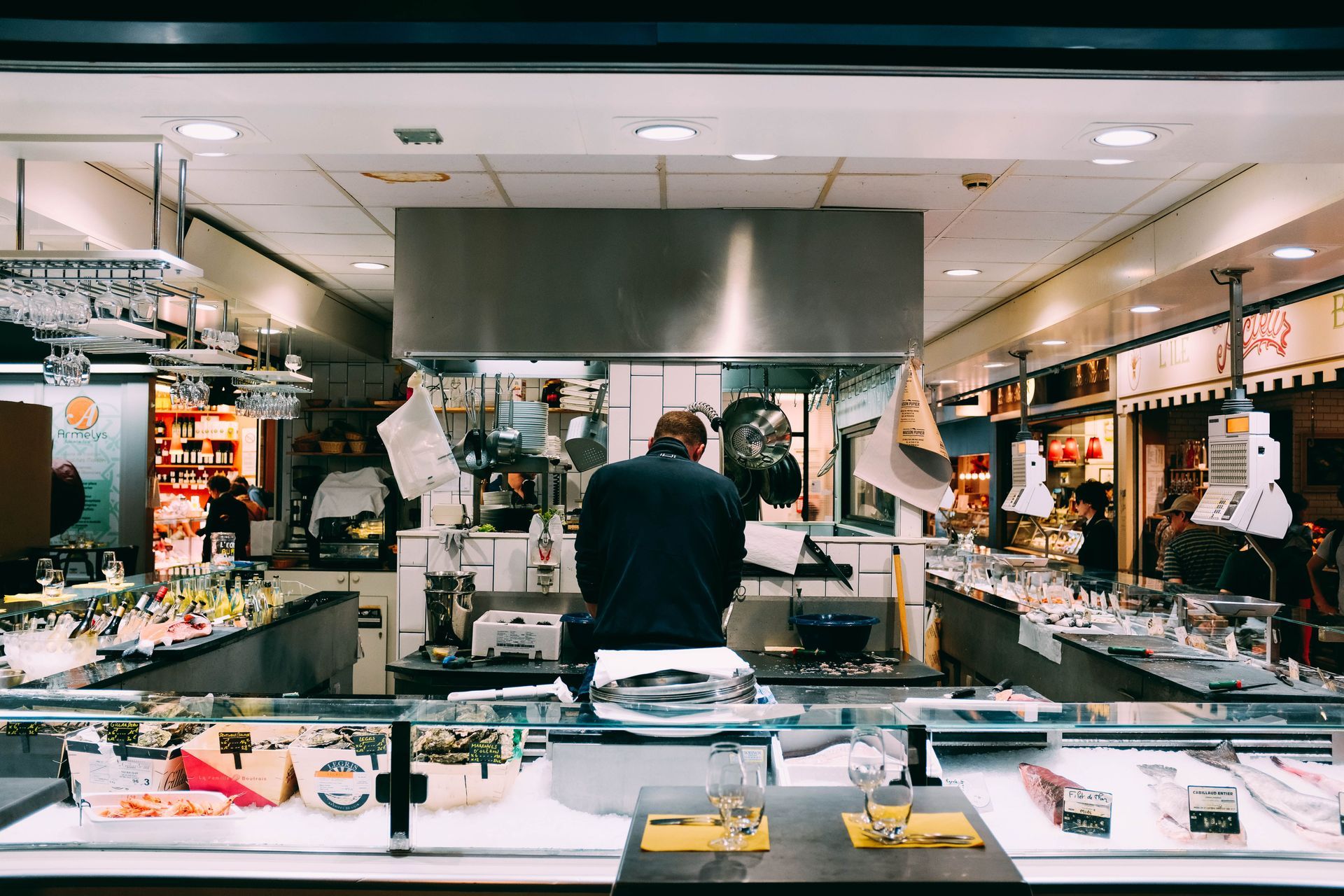
Common issues include overcrowded cook lines, insufficient refrigeration, limited prep space, and bottlenecks between stations. These problems are rarely caused by the menu itself, but by a kitchen that was not designed with growth in mind.
Planning Beyond the Opening Day Menu
A scalable kitchen design starts with understanding the long term vision for the restaurant. Even if expansion plans are not fully defined, experienced designers can account for likely changes based on concept type, service style, and target audience.
This may include anticipating higher volume service, additional cooking methods, or expanded food categories. By planning infrastructure that can support these possibilities, operators reduce the need for costly redesigns later.
Equipment Flexibility Matters
Equipment selection plays a critical role in future adaptability. Modular equipment, multi functional cooking platforms, and standardized footprints allow kitchens to adjust layouts without major reconstruction.
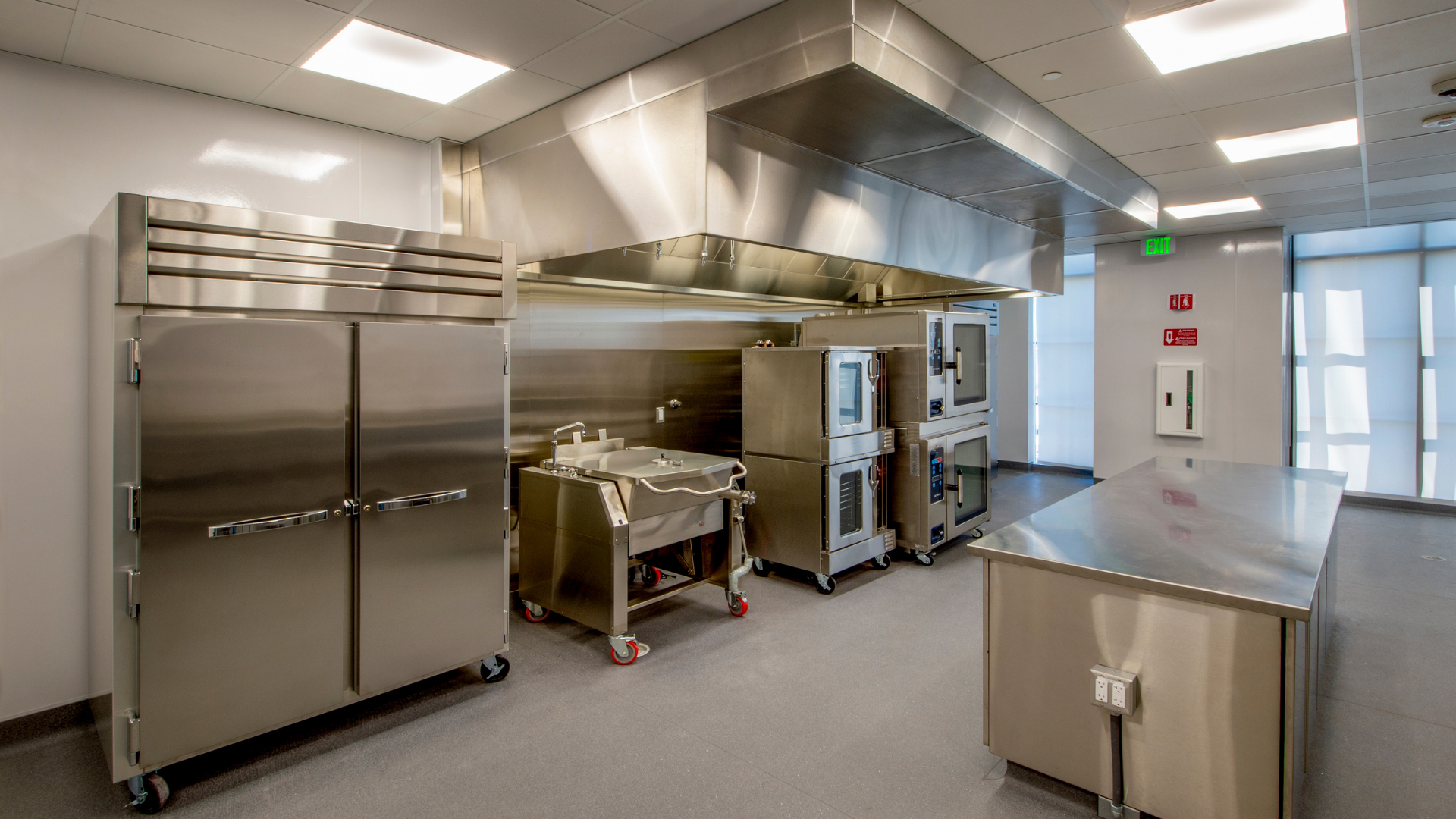
Designing with equipment spacing that allows for future additions helps prevent overcrowding. Providing adequate electrical capacity and gas connections during initial build out supports equipment upgrades without requiring invasive changes.
Storage and Prep Space Are Often the First Constraints
As menus expand, storage and prep needs grow alongside them. Refrigeration, dry storage, and dedicated prep areas must be sized with expansion in mind. Insufficient storage forces inefficient workflows and increases handling time.
Thoughtful layout planning can allocate space that adapts as menu complexity increases. This includes designing prep zones that can be reconfigured and storage areas that accommodate changing inventory profiles.
Ventilation and Utilities Should Be Overbuilt Strategically
Ventilation systems are one of the most expensive components to modify after installation. Designing hood systems and exhaust capacity to support a broader range of equipment from the start helps protect future flexibility.
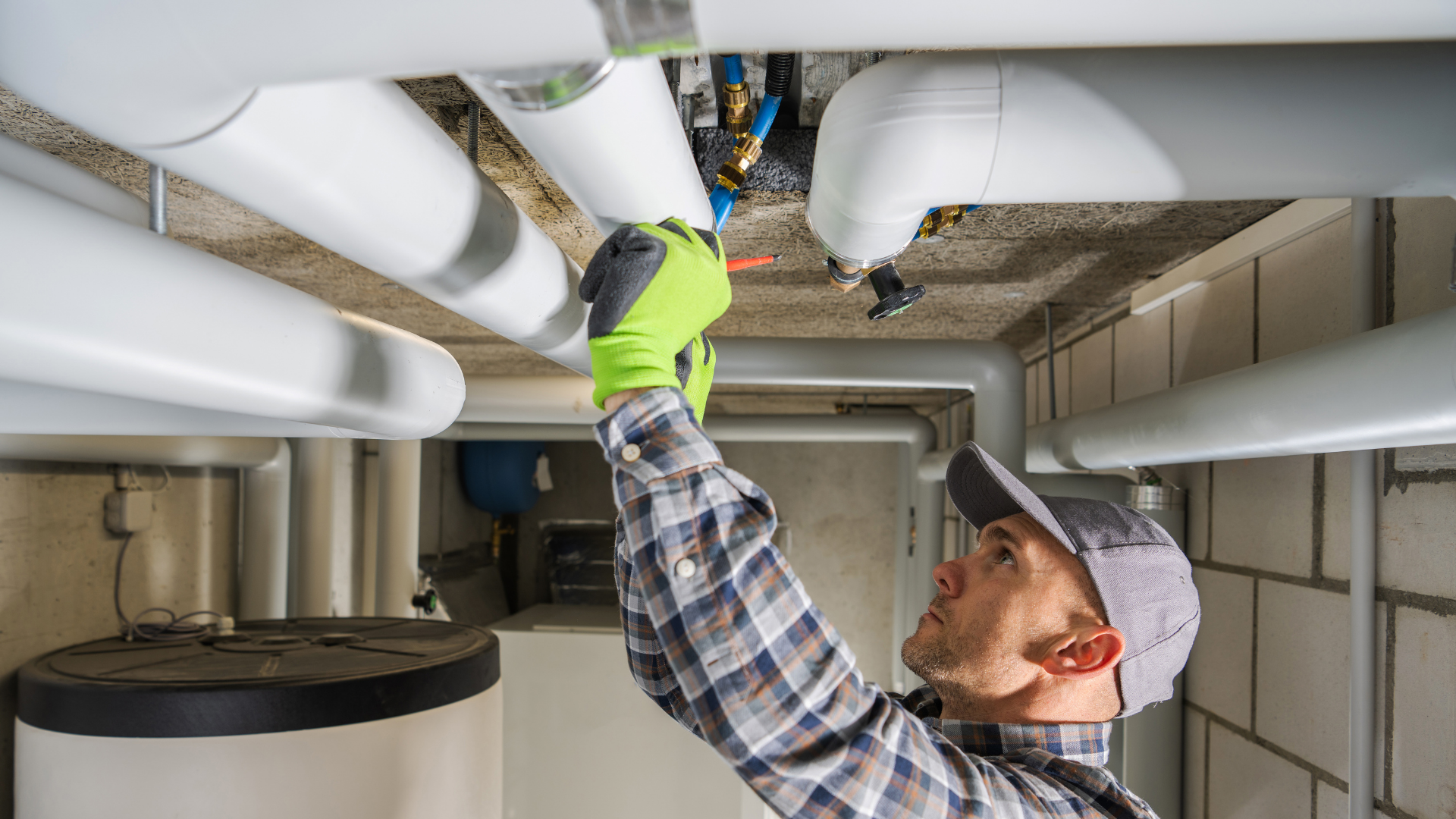
Similarly, electrical and plumbing systems should be designed with reserve capacity. This approach supports expansion without requiring shutdowns or code related retrofits.
Workflow Must Remain Intuitive as Complexity Grows
Menu expansion increases task variety and staff movement. Without a clear workflow strategy, kitchens become chaotic as responsibilities overlap. A scalable design maintains clear separation between prep, cooking, plating, and cleaning zones.
This clarity supports staff training and consistency as menus evolve. When the physical environment reinforces logical movement, growth becomes manageable rather than disruptive.
The Value of Turnkey Design
Turnkey commercial kitchen design integrates layout planning, equipment selection, compliance, and installation under one coordinated process. This approach ensures that scalability considerations are addressed cohesively rather than piecemeal.
By working with a single partner who understands both current needs and future goals, restaurant owners reduce risk and improve long term outcomes.
Designing for What Comes Next
Menu expansion should be an opportunity, not a liability. A well designed kitchen supports creativity and growth without sacrificing efficiency or safety.
At Coast 2 Coast Solutions, we design commercial kitchens with the future in mind. By focusing on scalable infrastructure, flexible layouts, and thoughtful equipment planning, we help restaurant owners build kitchens that grow alongside their menus and support long term operational success.